
 By
By 
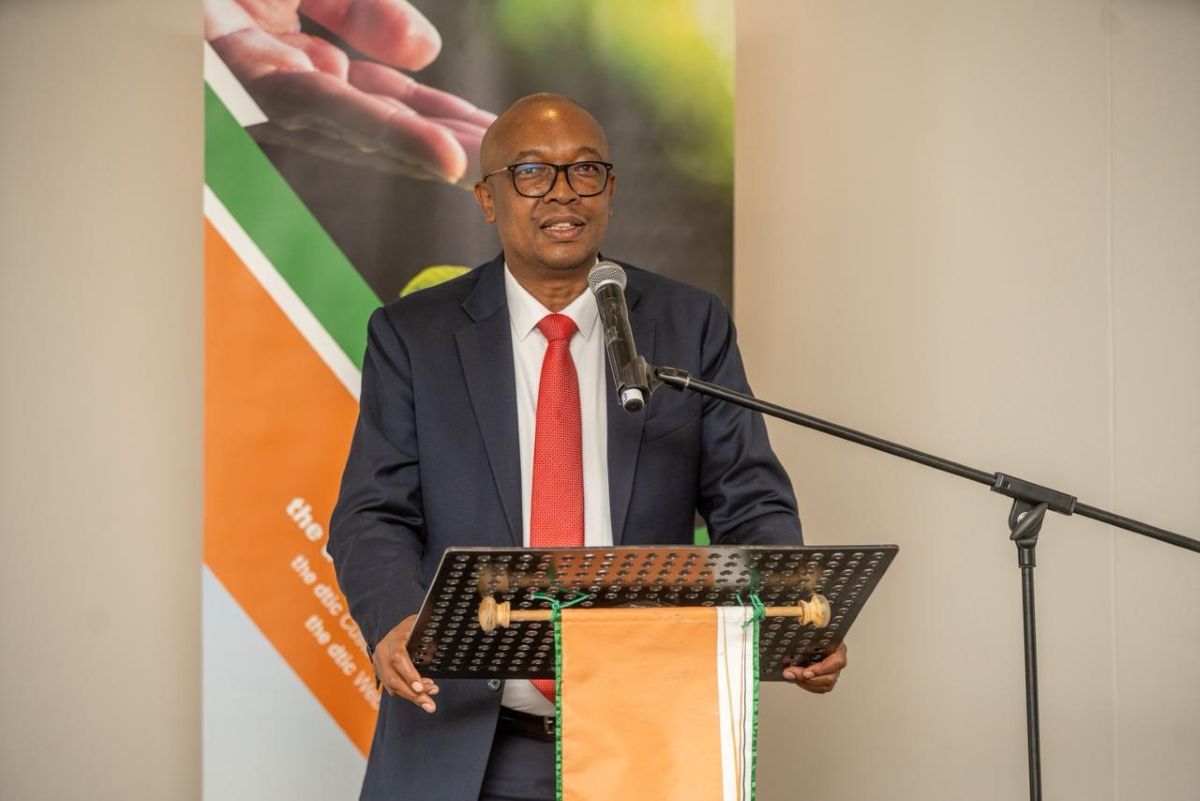
Cape Town — May 2026 In the wake of the 2026/2027 National Assembly Budget Vote Speech, South Africa’s industrial landscape stands at a critical crossroads. The Minister of Trade, Industry and Competition, Mr Parks Tau, has articulated a definitive stance: while the state holds a central responsibility in guiding the nation’s industrial destiny, a successful structural shift is entirely contingent on an unprecedented coalition between government, business, labour, and civil society.
Speaking at a Ministerial Post–Budget Vote Media and Stakeholder Roundtable in Cape Town, Minister Tau emphasized that structural shifts in industrialisation cannot occur in silos. “We certainly believe that if implemented in the right way, supported by the correct policies, fiscal, trade and industrial instruments, we should be able to undertake a significant shift in our industrialisation process,” Tau stated.
He clarified that the execution blueprint hinges heavily on structural dynamics, including national energy pricing, optimized industrial financing models, and a sharp redefinition of public and private sector responsibilities.
Strategic Funding and Global Trade Alliances
A central pillar of the newly outlined strategy is capital mobilization. Acknowledging fiscal constraints, Minister Tau explicitly noted that state funds alone would not suffice to fuel the ambitious growth agenda. Consequently, the Department of Trade, Industry and Competition (the dtic) is setting its sights on private sector equity, domestic financial institutions, and strategic international funding networks.
To accelerate global market penetration, the government plans to scale up export credit support frameworks and underwrite local exports in tandem with major commercial banks. This approach aims to shield domestic manufacturers while enhancing South Africa’s global competitiveness.
On the international trade front, Tau reasserted the strategic necessity of maintaining deep commercial ties with the United States, describing it as one of the world’s most influential economies. Despite geopolitical headwinds and intensifying external pressures, South African exports to the US have shown resilient growth.
This positive performance under adverse global conditions demonstrates that substantial opportunities remain open for local industries to deepen their positioning within high-value global supply chains.
The Demand for National Consensus
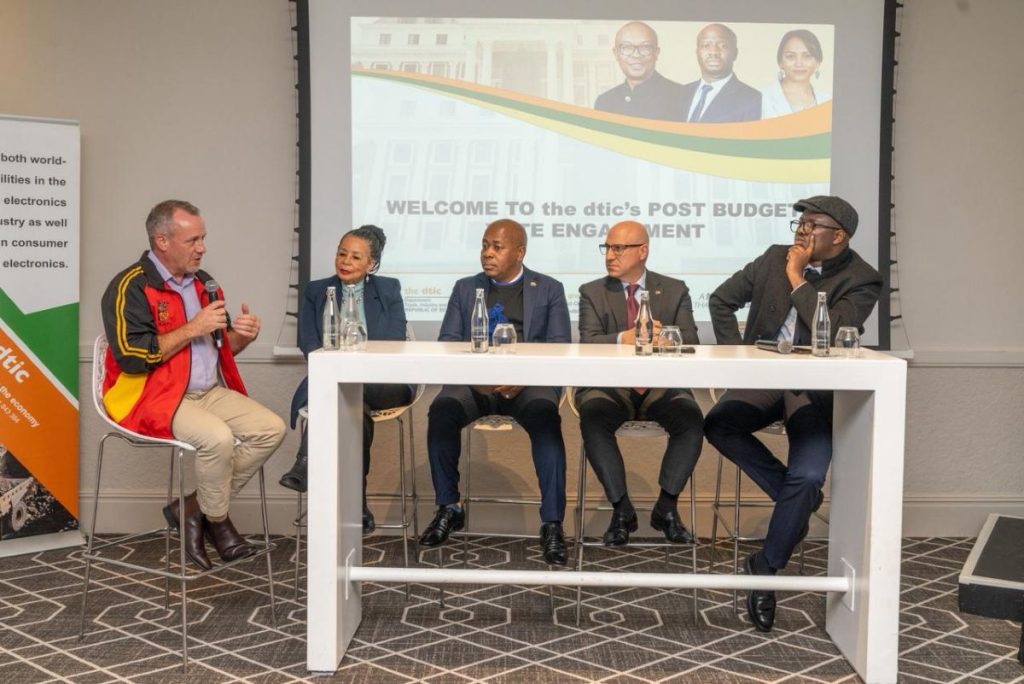
The call for unity from the state was strongly echoed by industry leadership. Dr Stavros Nicolaou, Group Senior Executive of Strategic Trade at Aspen Pharma Group, highlighted that a unified societal vision has historically been missing.
“We need all sectors to speak with one voice on the importance of industrialisation and economic development,” Nicolaou noted, pointing out that the absence of a cohesive national consensus around economic priorities often stalls execution.
According to Nicolaou, true industrial policy must be engineered to ensure that South Africa directly benefits from its raw mineral wealth, manufacturing capacities, and domestic production activities.
Unapologetic Transformation and De-siloing Governance
The roundtable also addressed the deep structural inequalities hampering sustainable economic expansion. Ms Christine Qunta, a prominent South African writer, lawyer, and entrepreneur, brought sharp focus to the slow pace of economic inclusivity. She pointed out a stark statistic: a mere 4.4% of the population actively manages the economy.
Qunta asserted that meaningful economic equality is fundamentally impossible without aggressive, intentional transformation. “For this reason, we must be resolute and unapologetic about transformation,” she declared.
The legislative branch echoed these sentiments, stressing that state architecture must adapt to support these goals. Mr Mzwandile Masina, Chairperson of the Portfolio Committee on Trade, Industry and Competition, issued a direct directive to the dtic and all tiers of government to dismantle institutional silos.
Masina argued that fragmented governance undermines national development, and that the dtic must aggressively step into its role as the lead coordinator of macroeconomic alignment to deliver tangible benefits to the public and ensure real economic transformation.
Key Takeaways from the Roundtable:
- The Blueprint: Successful industrial policy requires a multi-stakeholder model bridging government, business, and civil society.
- The Funding: Government plans to underwrite exports and scale export credit support via commercial banking partnerships.
- The US Relationship: Strong bilateral trade with the United States remains a vital priority amidst resilient export figures.
- Transformation Focus: Deep transformation is required to balance an economy where only 4.4% currently participate in management.