
 By
By 
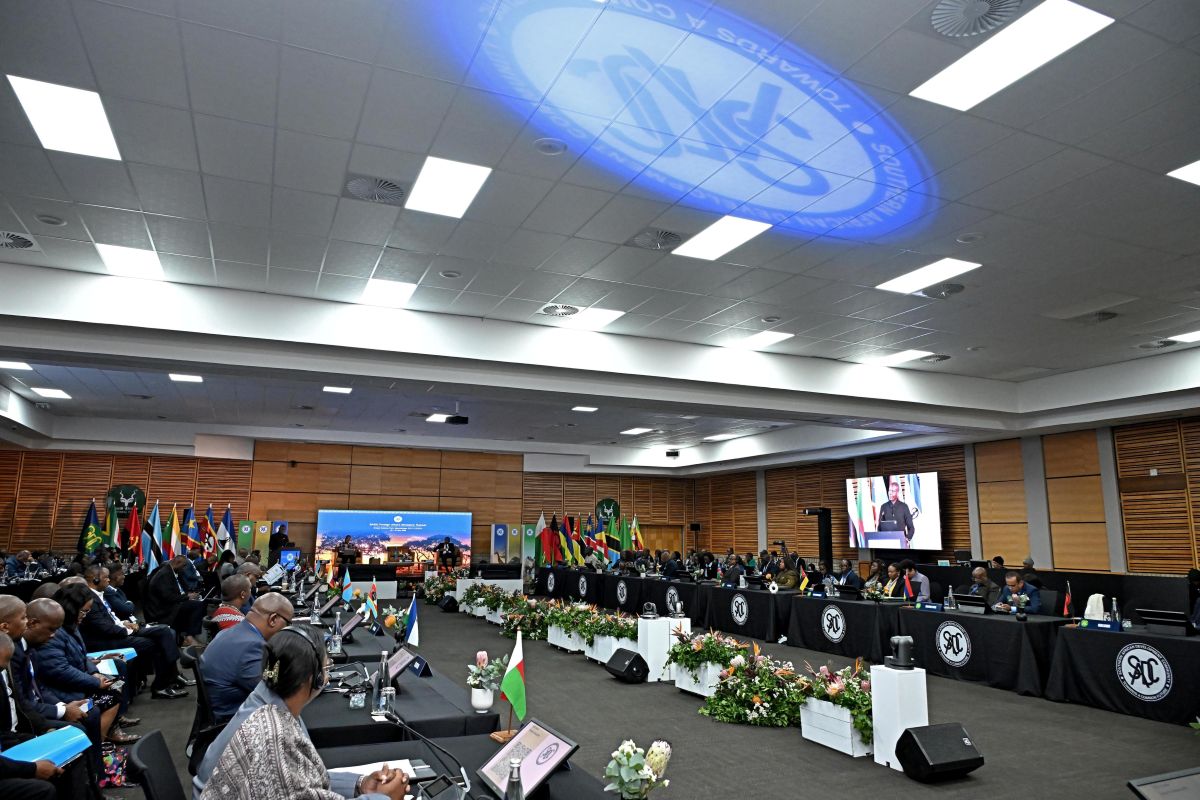
SKUKUZA, SOUTH AFRICA — Against the backdrop of escalating global instability, the Southern African Development Community (SADC) Ministers of Foreign Affairs have concluded a high-level retreat aimed at shielding the region from external economic shocks and driving forward deep economic integration.
The three-day retreat, which took place from May 22 to 24, 2026, in Skukuza, located within South Africa’s iconic Kruger National Park, was convened following a mandate from the SADC Council of Ministers in March 2026. The primary objective of the gathering was a comprehensive assessment of how shifting global geopolitical dynamics are impacting Southern Africa.
Navigating Global Turbulence
In their final communique, dubbed the Skukuza Outcome Statement, the ministers explicitly acknowledged that the region is not immune to the cascading effects of international friction. The deliberations centered heavily on the intensifying rivalry among major world powers and the ongoing conflict in the Middle East.
According to the statement, these external pressures—compounded by climate change and severe disruptions to global trade, energy corridors, tourism, and financial architectures—are actively penalizing local economies. The ministers highlighted that the most immediate consequences for everyday citizens across SADC Member States include:
- Skyrocketing food and fuel prices.
- Severe exchange-rate volatility that complicates fiscal planning.
- Heightened risks to long-term food and energy security.
Rather than reacting in isolation, the ministers reaffirmed their dedication to collective regional action, arguing that a unified front is the only way to build systemic resilience against outside macroeconomic vulnerabilities.
Five Pillars for Regional Self-Reliance
To transition from abstract solidarity to concrete defense mechanisms, the retreat focused heavily on practical policy alignment. The ministers organized their strategic review into five core thematic pillars designed to foster self-reliance:
| Core Thematic Areas | Strategic Focal Points |
| 1. Financial Resilience | Financing regional integration, public debt management, investment, and domestic revenue mobilization. |
| 2. Trade & Industrialization | Advancing regional industrialization, strengthening local value chains, and expanding trade. |
| 3. Mobility & Logistics | Overhauling regional infrastructure, streamlining transport and logistics, and enabling the free movement of people, goods, and services. |
| 4. Resource Independence | Developing regional capacity in energy, oil, gas, and mineral resources. |
| 5. Food Systems | Fortifying agriculture, stabilizing supply chains, improving agricultural inputs, and securing market access to guarantee regional food security. |
By focusing heavily on improving infrastructure and allowing the unrestricted flow of goods and people across borders, the bloc hopes to create an internal buffer capable of absorbing shocks when global supply chains fail.
A Unified Voice on the Global Stage
Beyond economic shielding, the Skukuza retreat signaled a growing desire for the 16-member bloc to flex its diplomatic muscle more cohesively. The ministers committed to strengthening regional institutions and dramatically enhancing policy coherence. The ultimate goal is to establish a “coherent regional voice” in global engagements, ensuring that Southern Africa is a rule-maker, rather than just a rule-taker, in international affairs.
“The outcomes of the Retreat should serve as a practical roadmap for accelerated implementation, enhanced accountability, and strengthened regional coordination,” the ministers declared, signaling that the era of slow policy implementation must give way to urgent execution.
The retreat concluded with the ministers renewing their vow to achieve SADC Vision 2050. This long-term framework envisions a socio-economically prosperous, peaceful, and secure Southern Africa where citizens enjoy improved standards of living, social justice, and freedom.
As the ministers depart Mpumalanga, the true test will lie in how quickly these framework goals are translated into national policies. With global inflation and geopolitical polarization showing no signs of slowing down, the Skukuza roadmap may prove to be a vital lifeline for the economic stability of Southern Africa.