

 By
By KEMPTON PARK — Moving away from seasonal campaigns and isolated interventions, the Gauteng Department of Roads and Transport is calling for a unified, evidence-based approach to curb the high rate of crashes, fatalities, and severe injuries on the province’s transport networks.

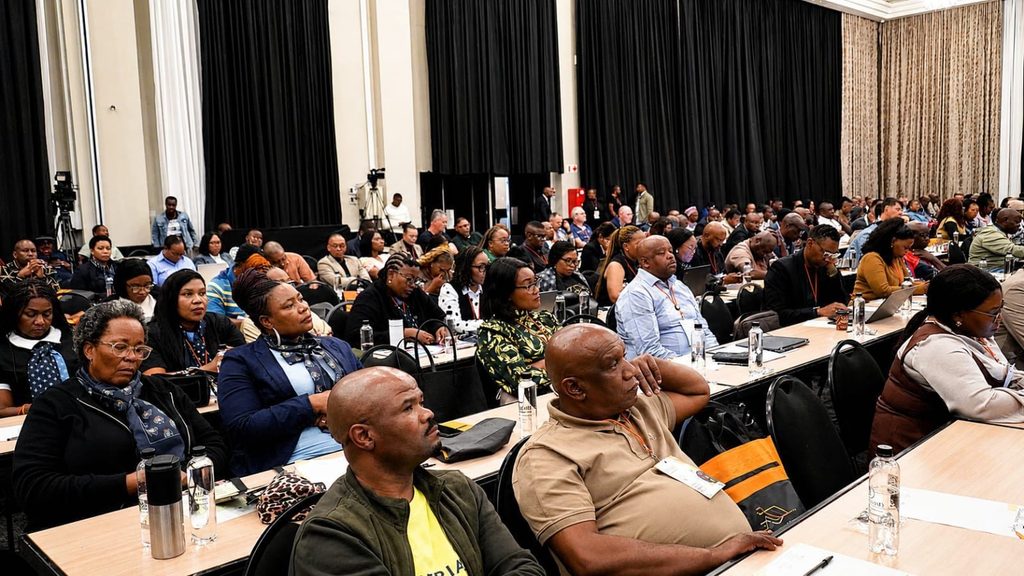
Speaking at the Road Safety Practitioners Colloquium in Kempton Park, Ekurhuleni, Gauteng MEC for Roads and Transport Kedibone Diale-Tlabela delivered a clear directive to law enforcement, municipal officials, emergency services, and transport stakeholders: fragmented efforts must give way to measurable, coordinated action.
“Every road death is one too many,” MEC Diale-Tlabela stated. “Behind every statistic is a family, a community, and a future changed by a crash. We are here not simply to discuss road safety, but to confront what is not working, share what is working, and commit to practical action.”
Overcoming Structural Challenges
The provincial transport department faces a complex matrix of operational obstacles. Among the key challenges outlined by the MEC are limited law enforcement capacity, fragmented inter-governmental responsibilities, gaps in crash data management, unsafe road infrastructure, and persistent risky behaviour from road users. Competing operational demands and constrained financial resources further compound these issues.
To address these vulnerabilities, the department’s strategy centres on four core pillars: safer roads, safer road users, safer vehicles, and an enhanced post-crash response system.
Key operational priorities include:
- Targeted High-Risk Corridors: Directing enforcement and infrastructure maintenance toward high-crash corridors and dangerous intersections.
- Protecting Vulnerable Road Users: Prioritizing safer infrastructure design for pedestrians, learners, older citizens, cyclists, and public transit passengers.
- Institutional Integrity: Tackling illegal activities and corruption at motor vehicle licensing centres.
- Public & Scholar Transport: Enhancing safety standards and compliance within public transport and dedicated scholar transport fleets.
- Practitioner Support: Ensuring field officers and road safety practitioners receive updated training, proper equipment, and structural support.
Data-Driven Enforcement and Emergency Response
A key focal point of the colloquium is transitioning toward data-led decision-making. The MEC urged agencies to modernize crash-data systems to ensure enforcement personnel and resources are deployed precisely where risk is highest.
Beyond crash prevention, the provincial government is placing renewed emphasis on post-crash management and trauma care. Recognizing that the immediate aftermath of a collision often determines survival, the province is aiming to streamline the entire emergency chain—from initial incident detection and dispatch to scene management and medical treatment.
A Collective Mandate
Achieving long-term compliance requires cooperation beyond state entities alone. MEC Diale-Tlabela urged civil society, private employers, the public transport industry, schools, and local communities to actively foster a culture of road compliance.
“Our interventions must respond to the realities faced by the people who use our roads every day,” Diale-Tlabela noted, stressing that safety metrics must serve as the primary baseline for every future transport planning decision in the province.