 By
By JOHANNESBURG — Gauteng MEC for Social Development Nomantu Nkomo-Ralehoko has called for a strategic pivot toward comprehensive skills development to restore economic independence among the province’s homeless population.

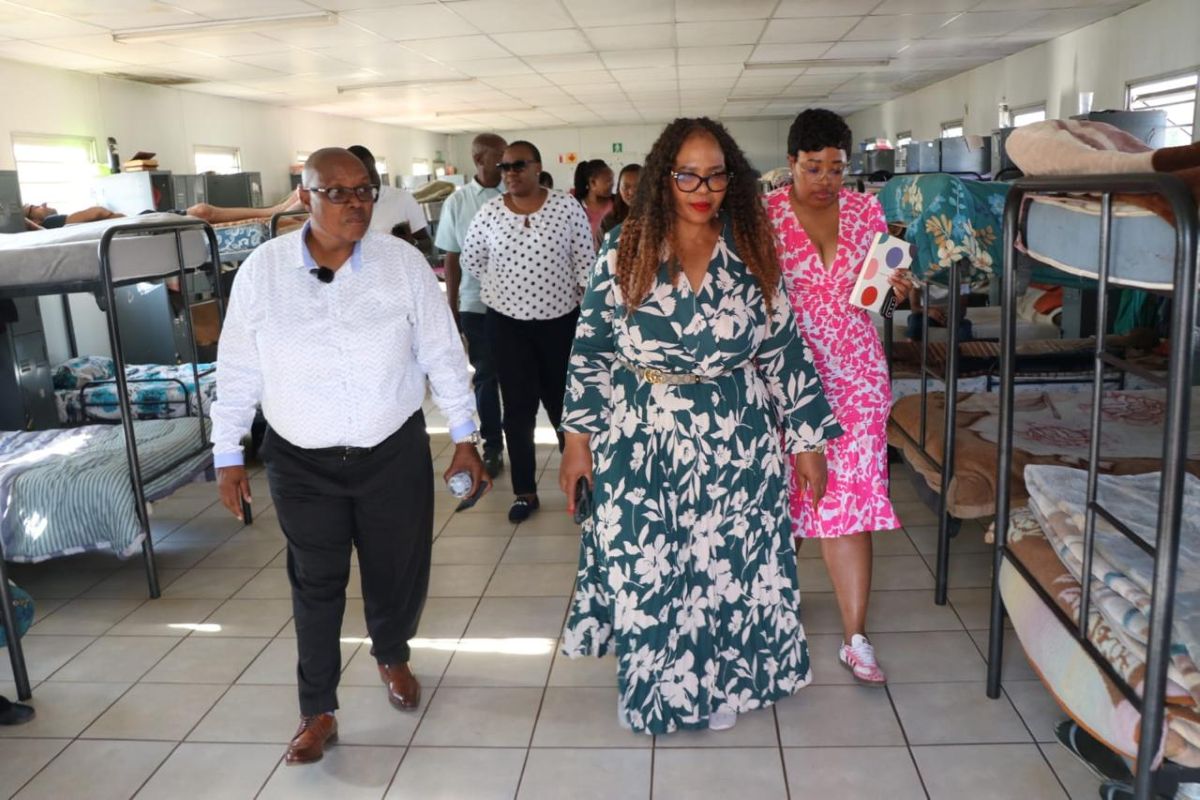
Speaking during an oversight visit to the Wembley Homeless Shelter in Turffontein on Wednesday, Nkomo-Ralehoko stressed that government interventions must evolve past basic humanitarian relief toward long-term socio-economic reintegration.
“Our responsibility is not only to provide people with a roof over their heads and meals, but also to create pathways that enable them to rebuild their lives,” Nkomo-Ralehoko told officials during the inspection. “Skills development must be strengthened as it can help beneficiaries gain confidence, discipline and the ability to become economically active and self-reliant.”
The Wembley Homeless Shelter was established in March 2020 as an emergency response to the COVID-19 pandemic. Today, the provincial government-funded facility acts as a critical safety net for vulnerable South African men aged 19 to 59.
Beyond temporary housing and basic nutrition—which includes clean accommodation, three daily meals, and personal hygiene facilities—the centre provides tailored social services. These include medical care, psychosocial counselling, substance abuse interventions, and developmental training to prepare beneficiaries for the labour market.
Shelter Manager Joey Monane emphasized that sustainable rehabilitation requires a personalized approach to the diverse struggles faced by residents.
“Our programmes are aimed at restoring the dignity of our beneficiaries,” Monane said. “We understand that each person’s circumstances are unique, and our approach is therefore centred on supporting each client to make informed decisions, address their challenges and work towards reintegrating into society as a functional and self-resilient person.”
The department’s visit forms part of its ongoing provincial monitoring mandate to track compliance, enforce care standards, and evaluate the efficacy of government-funded non-governmental organizations. As social pressures and unemployment continue to strain provincial welfare systems, government oversight aims to ensure public funds yield measurable outcomes in community rehabilitation.