
 By
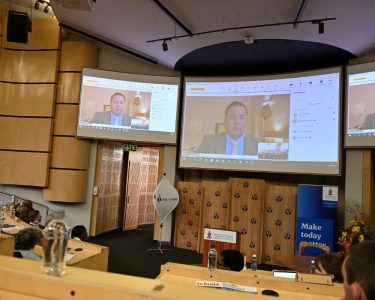
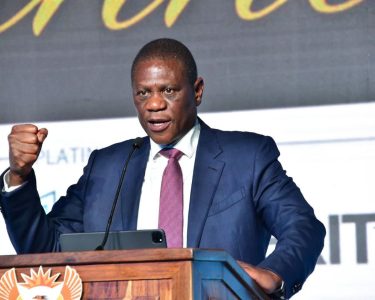
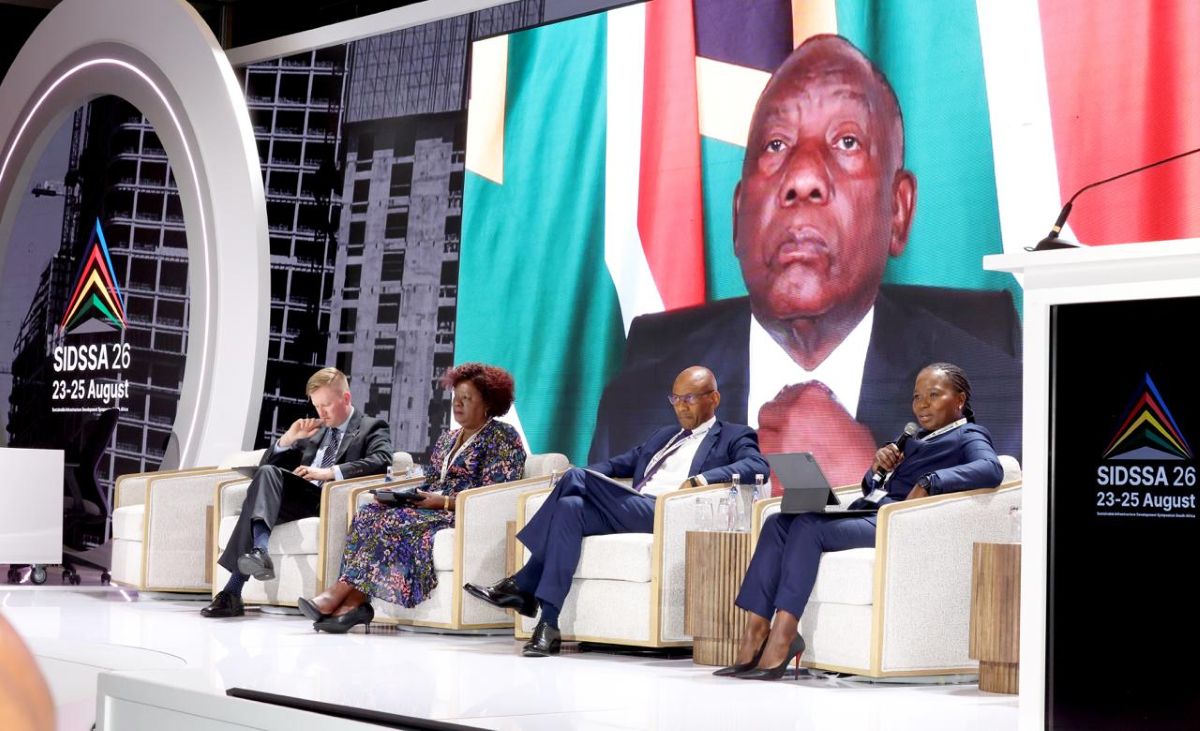
By CAPE TOWN — South African President Cyril Ramaphosa addressed delegates at the sixth Sustainable Infrastructure Development Symposium of South Africa (SIDSSA) in Cape Town on Tuesday, positioning aggressive infrastructure deployment as the central pillar of the nation’s strategy for inclusive economic growth and regional integration.

Addressing business leaders, ministers, and development finance institutions, the President outlined both significant operational milestones and the stark macroeconomic reality facing the country. While South Africa’s Strategic Integrated Projects portfolio has expanded fivefold from roughly R340 billion in 2020 to over R1.67 trillion, fixed investment levels remain critically depressed.
Closing the Capital Formation Gap
A central theme of Ramaphosa’s address was the urgency of lifting gross fixed capital formation (GFCF). In 2025, GFCF—which measures total national investment in productive assets like logistics, machinery, and utilities—stood at approximately 14% of gross domestic product (GDP).
This figure represents less than half of the 30% target set out in the country’s National Development Plan (NDP) for 2030. Ramaphosa warned that achieving faster, sustained economic expansion is impossible without radically elevating these levels.
“These figures should concern us,” Ramaphosa noted, urging public and private sectors to move past fragmented planning models that historically led to cost overruns and project cancellations.
Pipeline Maturity and the “Conversion” Imperative
Despite the investment deficit, official metrics point to a maturing project pipeline managed by Infrastructure South Africa (ISA) under the Infrastructure Development Act:
- Total Portfolio: 195 public- and private-led projects valued at R1.67 trillion across key economic sectors.
- Active Construction: 55 projects currently underway, representing over R407 billion in capital.
- Completed Track Record: 32 projects worth approximately R48 billion completed in recent years.
Ramaphosa stressed that the primary hurdle facing South Africa is no longer a shortage of proposals, but a deficit of “bankable,” adequately prepared projects. “There is an important difference between a project that is needed and a project that is ready,” he stated, calling on ISA to focus heavily on converting prepared plans into real-world construction.
ISA’s R600 million project preparation facility is currently backing 26 priority projects to bridge this feasibility gap.
South African Infrastructure Pipeline (2026 Snapshot)┌─────────────────────────────────────────────────────────┐│ Total Portfolio Value: R1.67 Trillion (195 Projects) │├─────────────────────────────────────────────────────────┤│ [██████████████████████] Under Construction: R407bn ││ [███ ] Completed to Date: R48bn │└─────────────────────────────────────────────────────────┘Unlocking Municipal Infrastructure and Trade Realities
A key strategic pivot highlighted at SIDSSA 2026 is the focus on municipal capabilities. Citing that traditional state grants often fail without institutional reform and proper asset management, Ramaphosa cited blended finance models as the future of local government delivery.
As a proof of concept, ISA allocated R1.8 million in project preparation support to the Matjhabeng Local Municipality. This targeted spending unlocked an R800 million debt financing facility from the Development Bank of Southern Africa (DBSA) to replace more than 1,700 kilometres of deteriorating water infrastructure. A broader pilot—the “Adopt-a-Municipality” initiative—is currently packaging projects aimed at unlocking R7 billion in private and institutional capital for trading services like waste, water, and electricity.
Concurrently, the government released the 3rd Edition of its Construction Book, detailing investment-ready projects worth R350 billion. Over 170 of these projects, valued at R264 billion, are scheduled to enter formal procurement over the next 12 to 18 months. To ensure accountability, the state plans to publish quarterly performance trackers monitoring procurement execution.

Regional Integration and Cross-Border Logistics
The symposium directly followed the 46th Ordinary SADC Summit held in eThekwini, underscoring the link between domestic infrastructure and broader African economic integration under the African Continental Free Trade Area (AfCFTA).
Ramaphosa reiterated that physical assets—ranging from energy grids and data cables to transport corridors—must be paired with regulatory and policy harmonisation to allow seamless trade across borders.
“None of this work can be undertaken by Government acting alone,” Ramaphosa concluded, urging multilateral lenders, commercial banks, and private contractors to deepen blended-finance partnerships to turn regional economic potential into long-term assets.