
 By
By 
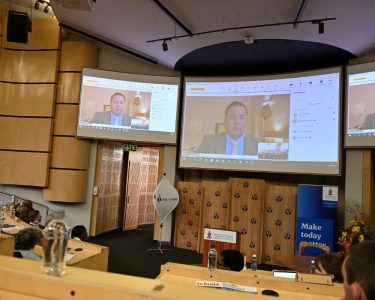
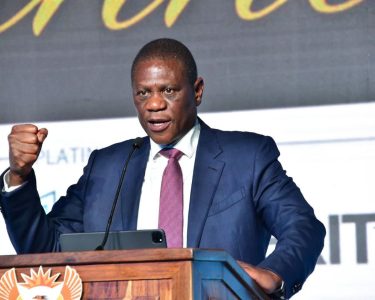
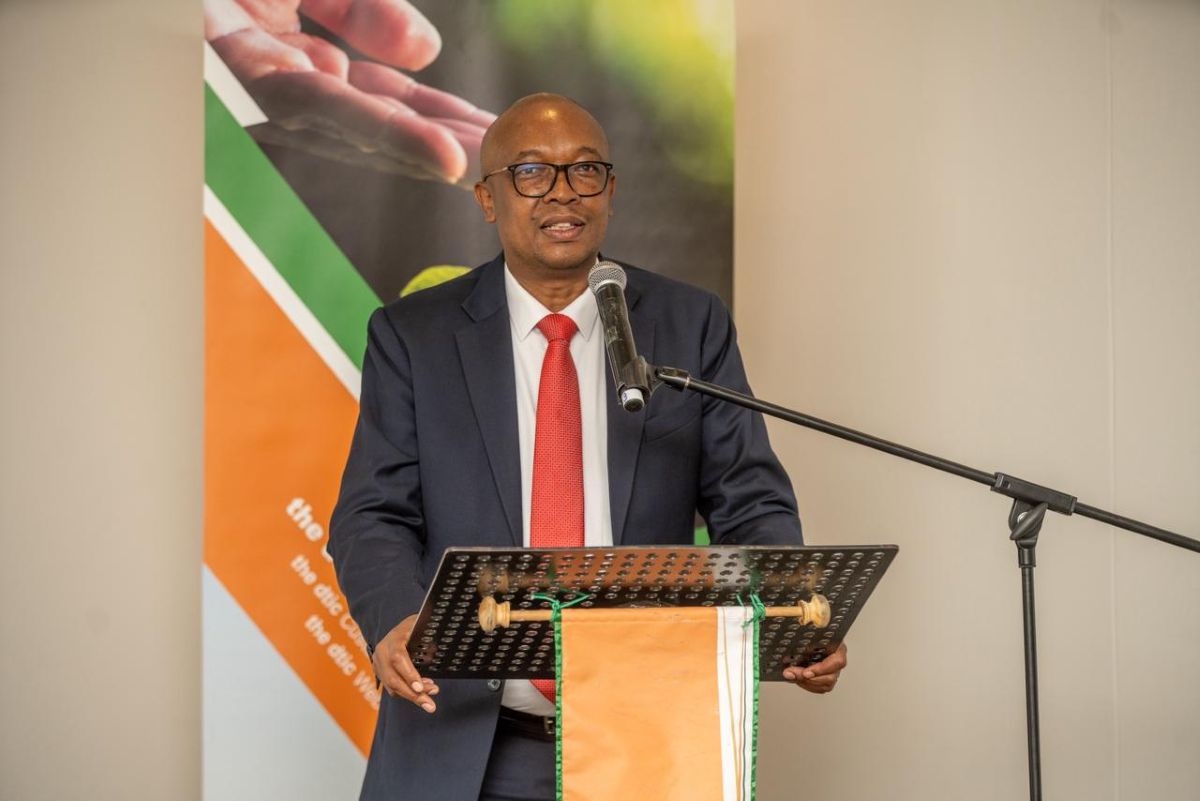
JOHANNESBURG — Broad-Based Black Economic Empowerment (B-BBEE) is not merely a moral obligation, but an essential driver of sustainable national growth. That was the central thesis delivered by the Minister of Trade, Industry and Competition, Parks Tau, during his keynote address at the Black Business Council’s Annual Summit in Johannesburg.
Addressing an audience of business leaders, policymakers, and industry stakeholders, Minister Tau framed transformation as a measurable economic reality that underpins South Africa’s democratic political order.
“Transformation and economic inclusion are moral and economic imperatives, central to South Africa’s democratic political order,” Tau asserted. “The return on investments made by this government is clear. Transformation is not a promise on paper. Instead, it is a measurable, growing reality in our economy. The South African economy cannot grow sustainably if the majority of its people remain excluded.”
Quantifiable Progress in Ownership and Leadership
In defence of the country’s legislative frameworks, Tau presented key statistical milestones demonstrating the progress of B-BBEE implementation across the private and public sectors:
- Overall Black Ownership: Reached 45.8% in 2023, significantly exceeding the base target of 25% + 1 vote.
- Black Female Ownership: Stood at 13.6% in 2023, surpassing the 10% benchmark.
- Broad Metric Gains: Upward trajectories were noted across key scorecard elements, including Enterprise and Supplier Development, Socio-economic Development, Skills Development, and Management Control.
Tau highlighted that B-BBEE has expanded the Black middle class, grown micro, small, and medium enterprises (MSMEs), and deepened broad-based economic participation via worker ownership schemes.
Within state institutions, female representation at the executive level has also seen marked improvement. The Minister pointed out that nearly all Development Finance Institutions (DFIs) under the Department of Trade, Industry and Competition (the dtic) family are currently chaired or led by women.
Highlighting the Industrial Development Corporation (IDC) as a primary example, Tau revealed that the entity has facilitated R26.6 billion in transformation funding, with R5.6 billion specifically allocated to women entrepreneurs and women-empowered enterprises.
The Transformation Fund: Mobilizing Capital Partnerships
To address lingering funding gaps for Black-owned, women-owned, and youth-owned businesses, the government is leaning heavily on public-private partnerships (PPPs). Central to this strategy is the newly introduced Transformation Fund.
To capital-fuel this initiative, the dtic has blended capital commitments from both state institutions and corporate players:
| Partner Institution | Capital Contribution |
| Unemployment Insurance Fund (UIF) | R500 million |
| Vodacom | R400 million |
| Development Bank of Southern Africa (DBSA) | R250 million |
| IBM | R220 million |
Tau emphasized that combining state balance sheets with private sector capital is necessary to navigate South Africa’s challenging socio-economic landscape.
Protecting Policy Sovereignty
Beyond domestic capital allocation, Tau called on the local business community to safeguard South Africa’s sovereign right to determine its economic policies against international headwinds or foreign criticism.

“South Africa must defend its position in relation to our domestic policy sovereignty,” Tau urged. “We require society, and indeed black business to mobilise in defence of this policy against external pressures.”
Closing his address, the Minister used an industrial metaphor to summarize the state’s strategy for enterprise development, referring to the initiative as an engine for industrial scale.
“The Transformation Fund is South Africa’s Transformation Jet Engine,” Tau concluded. “Capital provides the fuel, but it must connect to capability. Capability must connect to markets. And growing enterprises must translate into jobs, localisation, industrialisation and exports. This is how transformation policy becomes economic power.”
As South Africa navigates its broader economic recovery, the Ministry’s message remains clear: future fiscal stability and market growth remain inextricably linked to the speed and depth of economic inclusion.