
 By
By 
In a decisive move to expand South Africa’s export footprint, the Department of Trade, Industry and Competition (the dtic) has officially joined forces with global logistics giant DHL.
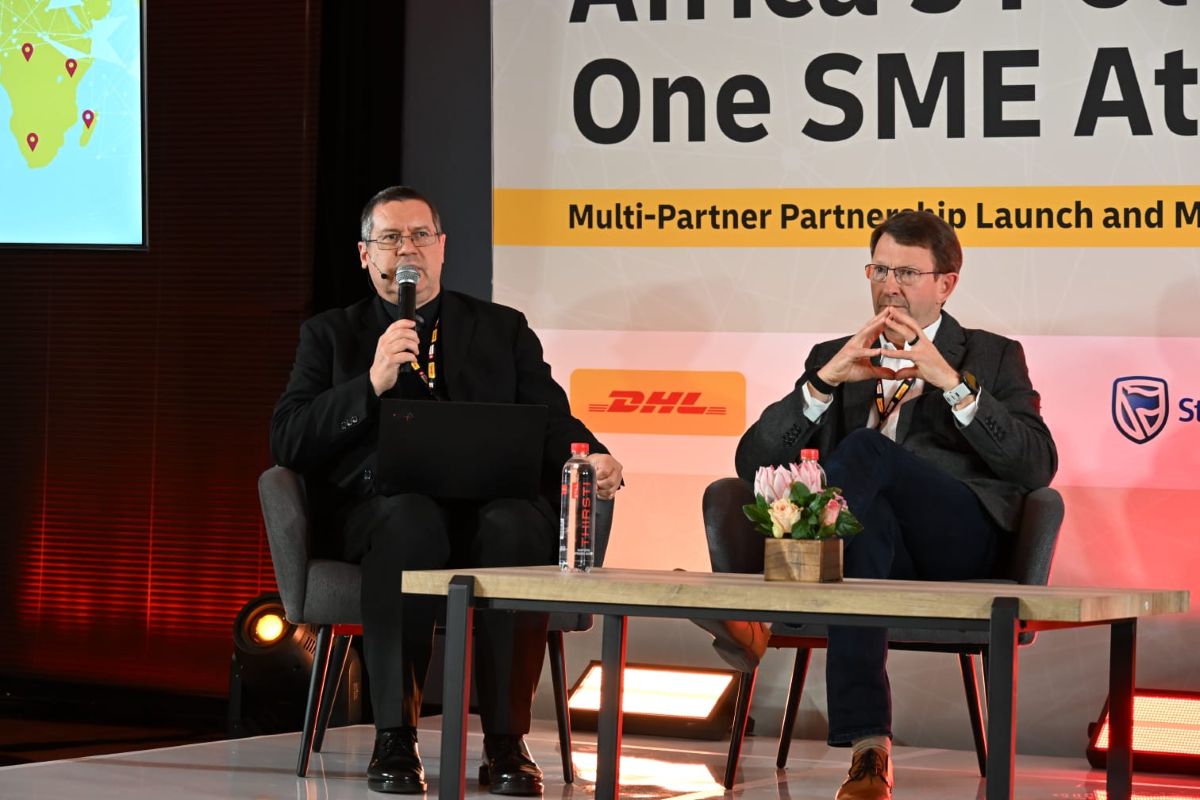
The strategic partnership, designed to boost the participation of Micro, Small, and Medium Enterprises (MSMEs) in regional and international trade, was formally sealed on Tuesday at DHL’s Baobab Facility in Waterfall City.
The signing of a Memorandum of Understanding (MoU) marks the launching pad for a coordinated push to accelerate South Africa’s cross-border e-commerce agenda.
Driving the eTrade Agenda
Central to the collaboration is the alignment between DHL’s established GoTrade Programme and the dtic’s newly unveiled eTrade South Africa Initiative. The joint effort aims to equip emerging exporters with practical tools, training, and logistical support necessary to navigate international trade channels.
Key pillars of the agreement include:
- Capacity Building & Education: Running targeted trade education modules, business clinics, and dedicated trade missions.
- Market Access & Activation: Activating trade corridors and expanding awareness of pivotal frameworks, most notably the African Continental Free Trade Area (AfCFTA).
- E-Commerce Integration: Streamlining logistics and digital access to help local small businesses transition from local players to active international competitors.
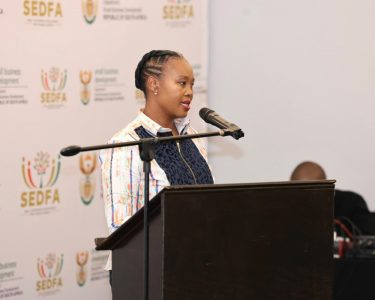
Speaking at the launch, Mr. Willem van der Spuy, Acting Deputy Director-General of Exports at the dtic, emphasized the deliberate choice to partner with a private-sector leader.
“Today marks an important milestone in the dtic’s efforts to build a stronger, more connected export development ecosystem,” Van der Spuy stated. “Government provides policy support, market intelligence and exporter development programmes, while the private sector contributes operational expertise, technology, finance, logistics and direct access to markets.”
Building an Ecosystem for Growth
The partnership comes at a critical juncture for South Africa’s industrialization and export development goals. While MSMEs represent a significant engine of local economic activity, high logistical barriers, regulatory complexities, and limited market reach have historically hindered their ability to export.
By integrating public sector policy with commercial infrastructure, the dtic aims to directly bridge this gap.
“eTrade South Africa will be powered by DHL’s GoTrade initiative, bringing together the dtic’s exporter development capabilities and DHL’s practical expertise in logistics, trade facilitation, e-commerce and international market connectivity,” Van der Spuy noted. “Our ambition is simple: to help more South African MSMEs transition from businesses with export potential to businesses that are actively exporting and competing in global markets.”

Beyond DHL: A Multi-Sector Coalition
The dtic’s strategy extends beyond logistics. Van der Spuy highlighted an emerging broader ecosystem taking shape around local exporters, involving major corporate stakeholders in banking and telecommunications.
“The connection between the dtic’s policy and exporter development mandate, DHL’s logistics and trade enablement, Standard Bank’s finance and financial solutions, and MTN’s connectivity and digital capability can create something far more powerful than four separate interventions,” Van der Spuy emphasized. “We begin to build an export ecosystem around the MSME itself.”
By leveraging DHL’s global freight network alongside trade financing and digital connectivity solutions, the government is betting on an integrated coalition model to turn South Africa’s emerging enterprise potential into tangible export revenue.