
 By
By 
In a significant constitutional development, the Western Cape High Court has granted an urgent interdict to temporarily halt Parliament’s Section 89 impeachment proceedings against President Cyril Ramaphosa.
The ruling provides a crucial legal pause for the President, allowing time for the court to address his broader challenge against the independent panel’s report regarding the controversial 2020 burglary at his Phala Phala game farm.
The Legal Context
The Section 89 process—established under the South African Constitution—allows Parliament to investigate and potentially remove a sitting President for serious misconduct or violations of the law. However, President Ramaphosa launched an urgent application requesting that these proceedings be suspended until a separate judicial review of the panel’s findings is finalized.
By granting the interdict, the High Court has effectively prioritized judicial clarity on the validity of the underlying report before parliamentary proceedings can move forward.
Key Takeaway: Parliament cannot proceed with impeachment steps until the judiciary determines whether the Phala Phala panel report itself holds up under legal scrutiny.
Constitutional Implications & Presidential Response
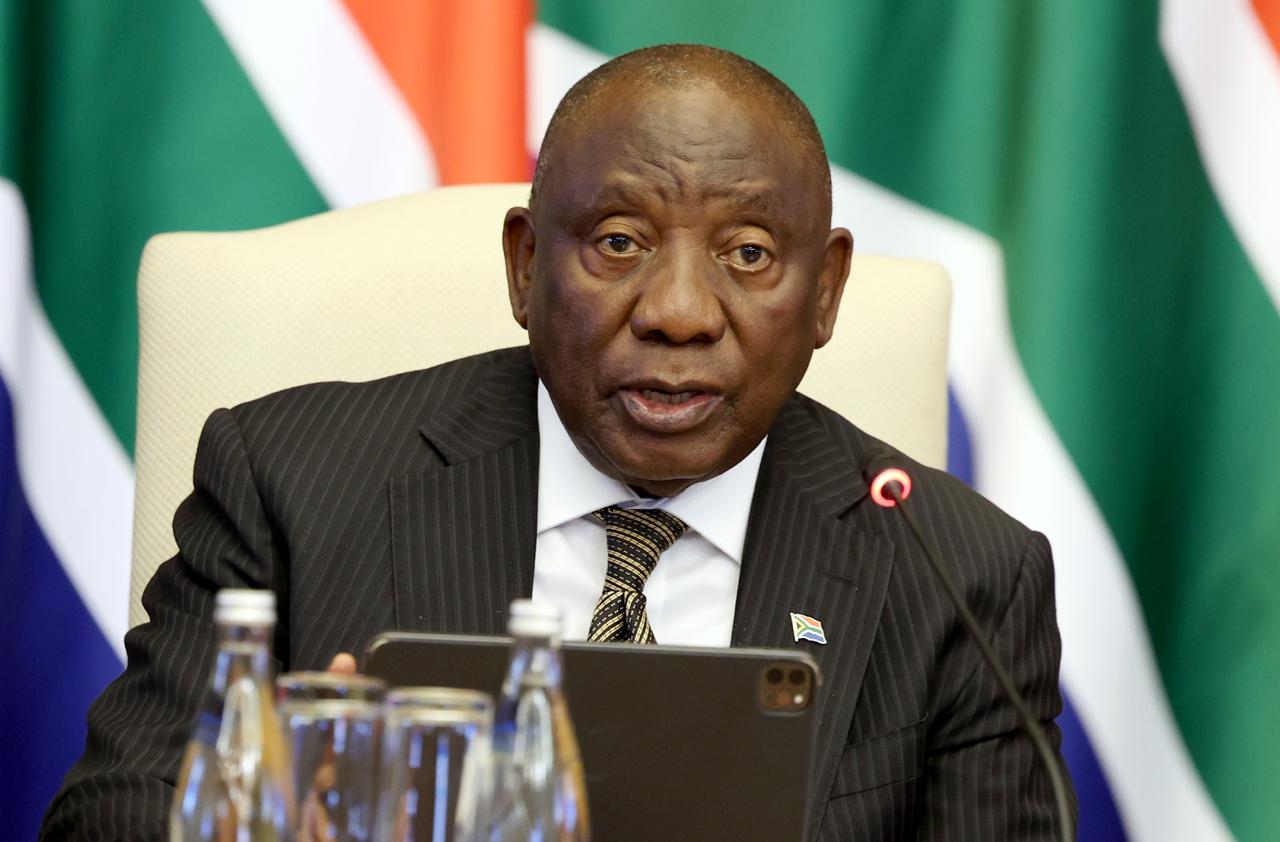
The decision highlights the delicate interplay between legislative oversight and judicial review in South Africa’s constitutional democracy. In a official statement responding to the judgment, President Ramaphosa noted the ruling and reiterated his commitment to the legal framework governing the republic.

The President reaffirmed his respect for:
- Judicial Independence: Acknowledging the authority of the courts to arbitrate high-stakes political and constitutional disputes.
- Separation of Powers: Ensuring that parliamentary actions abide by constitutional standards and due process.
- Processes of Accountability: Expressing a ongoing willingness to cooperate with lawful inquiries once the legal review process reaches its conclusion.
What Comes Next?
While today’s ruling offers immediate relief to the executive branch, it does not mark the end of the legal saga. The focus now shifts entirely to the impending judicial review of the Phala Phala report. Should the courts ultimately uphold the panel’s findings, Parliament will likely resume the Section 89 process. Conversely, if the review sets aside the report, the legal foundation for the impeachment proceedings will be significantly undermined.
For now, the High Court’s decision underscores a fundamental principle of South African jurisprudence: procedural fairness must precede political accountability.