
 By
By 
South Africa stands at a critical juncture in its economic transformation strategy, and the answer to its industrialisation push may well be growing in its soil. At the 4th South African Essential Oils and Vegetable Oils Conference in Pretoria, policymakers and international trade partners issued a clear directive: the country must transition from exporting raw natural commodities to building a fully integrated, high-value domestic processing economy.
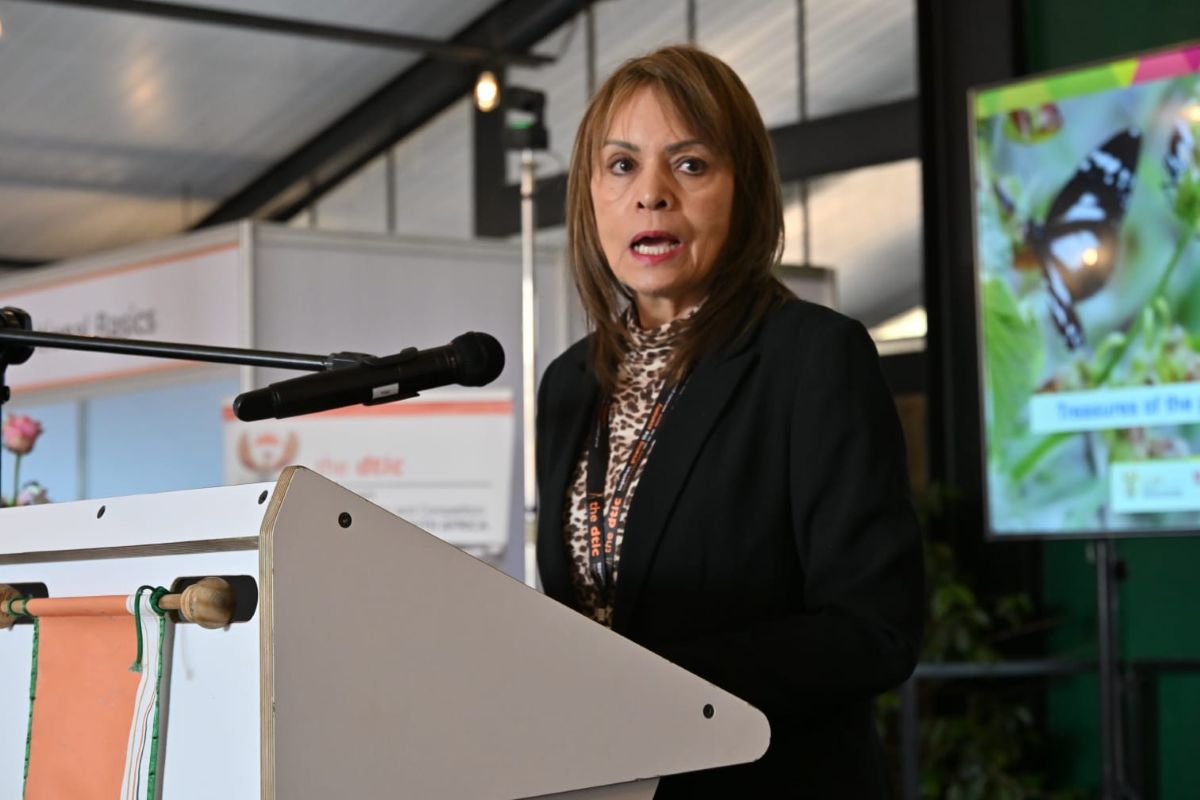
Speaking under the theme “Treasures of the Past Leading to the Trophy of the Future,” Ms Claudy Steyn, Chief Director at the Department of Trade, Industry and Competition (the dtic), highlighted the multiplier effect embedded within the sector.
“Every litre of essential oil produced locally presents opportunities for farmers, processors, laboratories, packaging manufacturers, logistics companies, retailers, and exporters.”
Unlocking Value Across the Supply Chain
The core argument for localising the essential oils sector lies in its unique position at the intersection of agriculture, manufacturing, innovation, and export development. Currently, South Africa possesses a rich foundation of natural biodiversity, rich indigenous knowledge, and active entrepreneurial producers. However, capturing the full economic yield requires keeping value-add processes within domestic borders before goods ship to global markets.
By shifting the focus toward local value addition, South Africa can:
- Drive Domestic Manufacturing: Stimulate secondary industries such as specialised packaging, chemical processing, and formulation testing.
- Generate Sustainable Employment: Expand employment opportunities beyond basic cultivation into technical laboratory roles, logistics, and quality assurance.
- Capture Greater Export Value: Command higher margins on finished or refined products in global markets rather than selling lower-margin raw extracts.
Earlier this year, the dtic demonstrated its commitment to international market penetration by backing 13 South African enterprises to showcase their capabilities at the In-Cosmetics Global exhibition in Paris.
Quality Infrastructure as a Key to Global Markets
While local capacity is vital, international trade demands strict compliance. Addressing delegates at the conference—co-hosted by the dtic, the Southern African Essential Oil Producers’ Association (SAEOPA), the Swiss State Secretariat for Economic Affairs (SECO), and the United Nations Industrial Development Organisation (UNIDO)—international partners stressed that market access hinges entirely on technical standardisation.
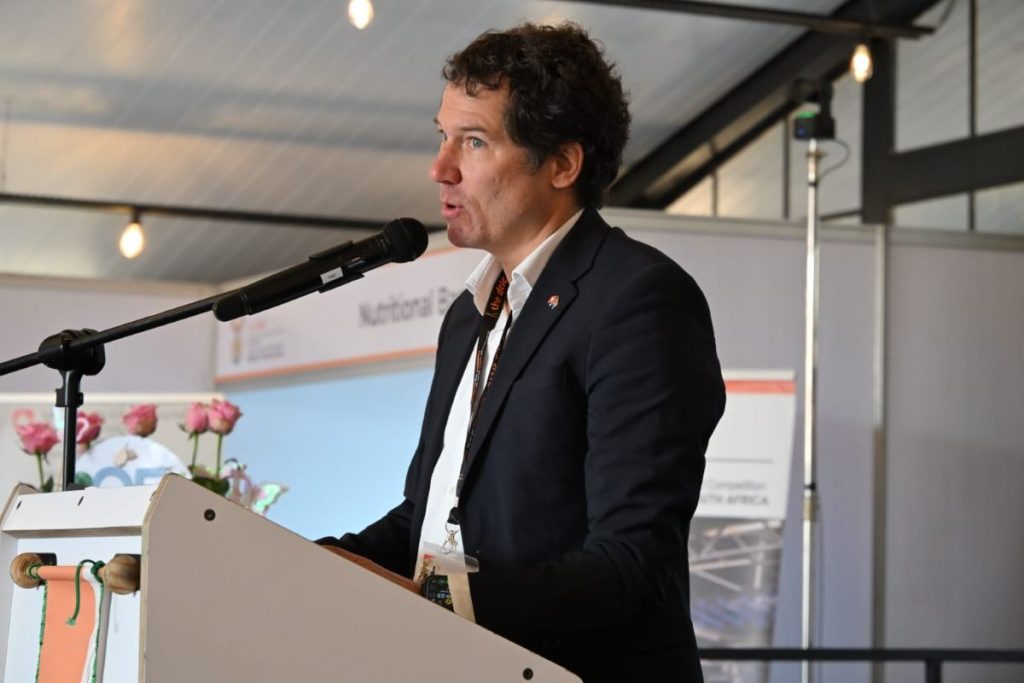
Mr Daniel Lauchenauer, Head of SECO, emphasized that converting biodiversity into sustainable commercial enterprises requires rigorous quality control systems.
| Key Focus Area | Strategic Importance |
| Quality Infrastructure | Establishes internationally recognised testing and standards, creating necessary market trust. |
| Market Access | Converts raw botanical potential into high-value products capable of meeting stringent global entry standards. |
| Public-Private Synergies | Unlocks targeted financing, expands R&D, and streamlines supply chains. |
“Quality is no longer simply a competitive advantage; it is a basic requirement for market access,” Lauchenauer noted, pointing out that internationally recognised standards are the ultimate key to building global trust.
The Path Ahead
Unlocking the sector’s full economic potential cannot rely on government intervention or private enterprise in isolation. Sustained growth will depend on deep collaboration to improve access to development capital, expand domestic testing and certification facilities, and fund targeted research into plant genetics for commercialisation.
If South Africa can successfully link its agricultural biodiversity with advanced manufacturing and strict quality assurance, the essential oils industry could serve as a premier blueprint for inclusive economic growth and modern industrialisation.