
 By
By 
PRETORIA — South Africa’s Department of International Relations and Cooperation (DIRCO) has issued an official response to the final communiqué of the 69th Ordinary Session of the ECOWAS Authority of Heads of State and Government, underscoring Pretoria’s commitment to Pan-African solidarity, the rule of law, and continental dialogue on migration.
In its statement, South Africa identified the Economic Community of West African States (ECOWAS) as a crucial pillar for continental integration. The diplomatic corps expressed Pretoria’s readiness to participate in open, constructive, and action-oriented dialogues with West African partner states on shared concerns, particularly regional stability and migration management.
Zero Tolerance for Prejudice and Violence
Addressing concerns regarding social cohesion, DIRCO reiterated South Africa’s firm opposition to all forms of prejudice and discrimination. The department explicitly rejected xenophobia, racism, homophobia, and broader intolerance in all manifestations.
DIRCO stressed that safeguarding human dignity for everyone within South Africa’s borders remains both a constitutional mandate and a moral duty. The government pledged to uphold the rule of law, assuring that perpetrators of violence or unlawful acts will be held fully accountable through the country’s domestic legal framework.
Regional Migration Dynamics and AU-Level Strategy
While South Africa continues to address specific bilateral issues with West African nations such as Ghana and Nigeria, DIRCO pointed out that the vast majority of its high-volume migration dynamics are concentrated within its immediate region, the Southern African Development Community (SADC).
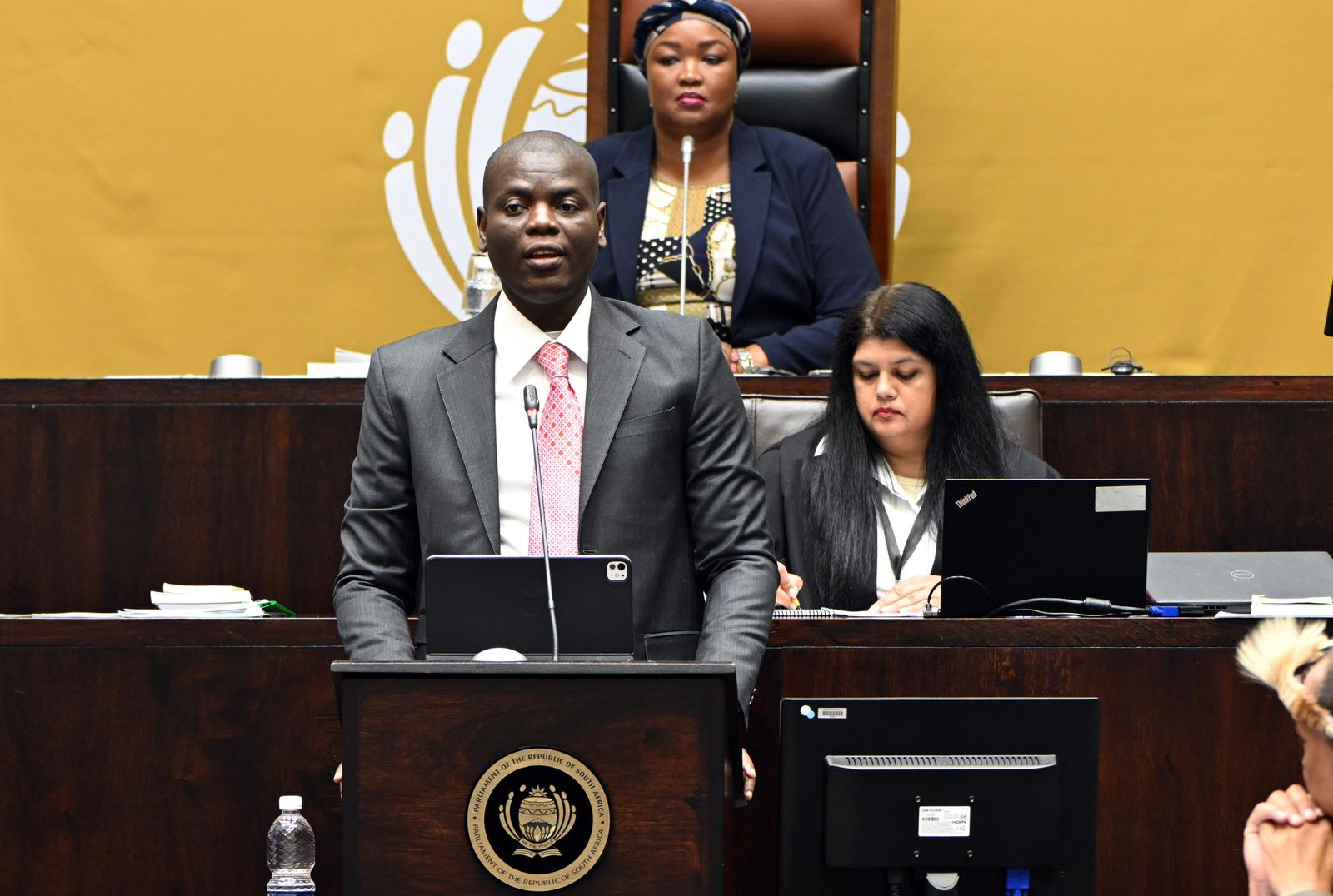
To address wider continental movement, Minister of International Relations and Cooperation Ronald Lamola called for elevated discussions at the African Union (AU) level to make migration a choice rather than a forced necessity.
“Establishing a dedicated agenda item at the African Union to address the primary push-and-pull factors and root causes of irregular migration, focusing squarely on good governance, democracy, and economic stability, will enable a pragmatic, comprehensive approach to continental migration challenges,” stated Minister Lamola.

Rejection of “Opportunistic” ICC Petition
The statement also directly addressed a petition recently submitted to the International Criminal Court (ICC) by two Ghanaian civilians. DIRCO dismissed the filing as “opportunistic,” emphasizing that it fails to meet the statutory legal triggers and jurisdictional prerequisites required for ICC intervention.
Highlighting the foundational principle of complementarity under international law, South Africa expressed complete confidence in its internal legal system. The department highlighted domestic legislation, notably the Prevention and Combating of Hate Crimes and Hate Speech Act, which enforces South Africa’s constitutional obligations and international human rights commitments regarding racism, xenophobia, and related intolerance. By classifying hate crimes and hate speech as distinct legal offences, DIRCO affirmed that South Africa maintains a fully equipped legal structure to prosecute offenders domestically.