
 By
By 
JOHANNESBURG — Rapid urbanisation across Africa is placing unprecedented pressure on transport networks, framing efficient public mobility not merely as a civil service, but as a primary driver of macroeconomic growth and social equity.
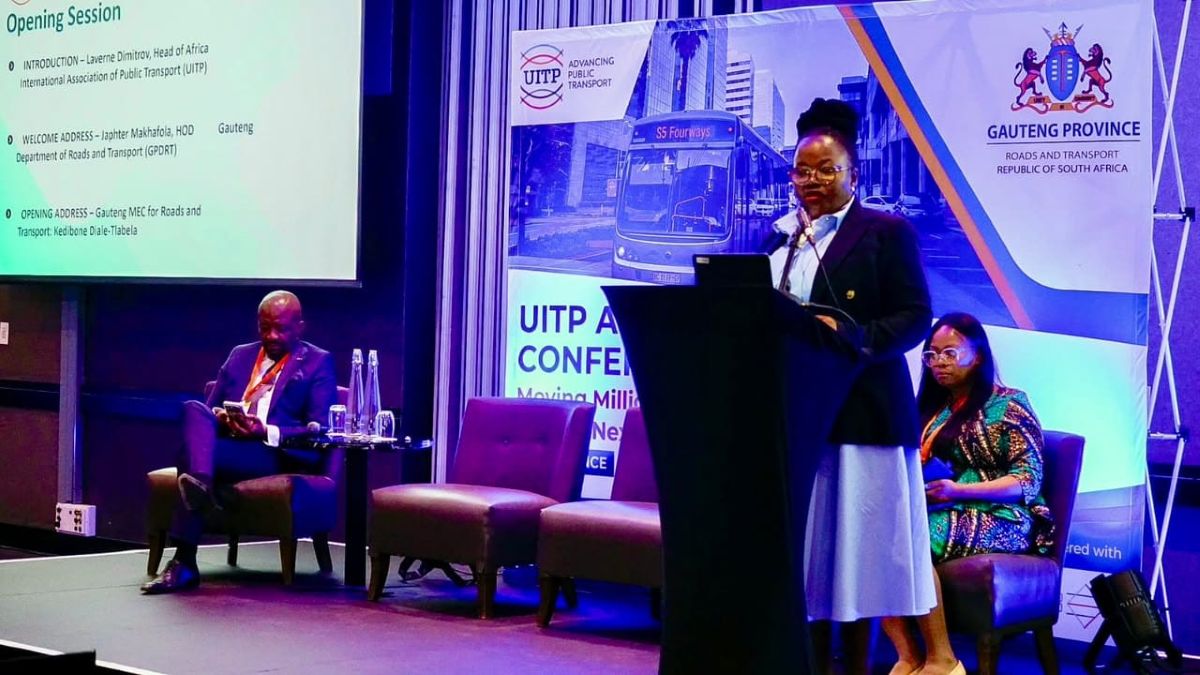
Speaking at the International Association of Public Transport (UITP) Africa Conference 2026 in Gauteng, Gauteng MEC for Roads and Transport Kedibone Diale-Tlabela issued a direct call to African leaders, investors, and transport operators: shift from policy formulation to immediate, high-impact project execution.
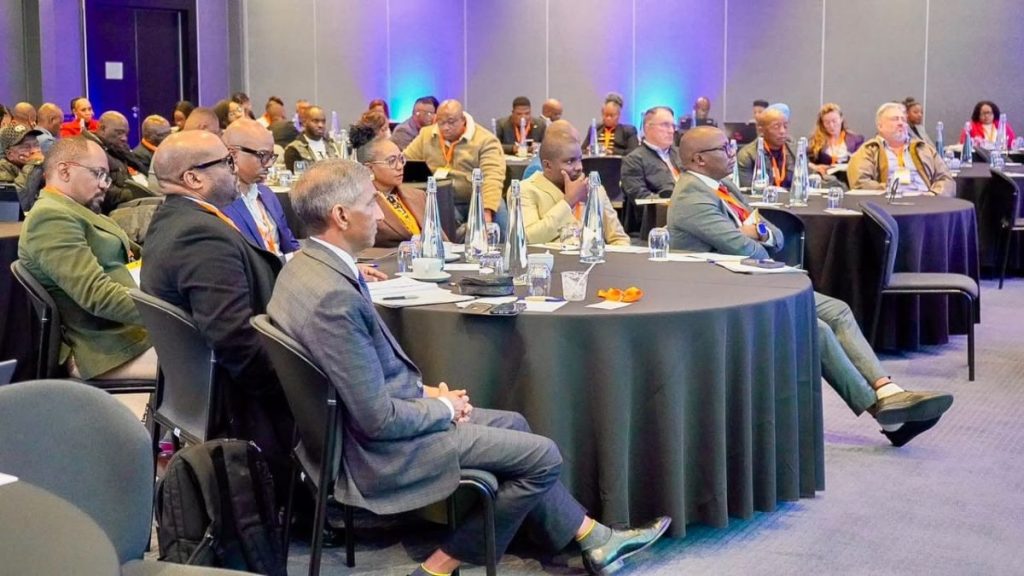
Addressing international and regional delegates under the conference theme, “Moving Millions: Africa’s Next Mobility Revolution,” Diale-Tlabela stressed that the key to unlocking Africa’s economic capacity lies in building integrated, safe, and accessible transport ecosystems.
Mobility as an Economic Linkage
“Mobility is no longer simply about moving people from one place to another,” Diale-Tlabela stated during her welcome address. “It is about connecting people to opportunities, education, healthcare, employment, and improving their quality of life. The question is no longer whether Africa should transform mobility, but how quickly and collaboratively we can make it happen”.
As African cities continue to record some of the highest urban growth rates globally, traditional infrastructure models are proving insufficient to meet commute demands. The resulting congestion costs regional economies billions in lost productivity, supply chain inefficiencies, and fuel waste. Addressable solutions require bold capital investments and public-private partnerships (PPPs) that align regulatory frameworks with private equity incentives.
Gauteng’s Structural Investments
To demonstrate South Africa’s economic core as a case study, Diale-Tlabela outlined the province’s active capital outlay in modernized transport infrastructure and administrative systems.
Key operational pillars currently highlighted by the provincial government include:
- Mass Rapid Transit Expansion: Reaffirming the province’s commitment to expand the Gautrain rail network via the Gautrain Management Agency, targeting extended connectivity to underserved economic nodes.
- Intelligent Transport Systems (ITS): Implementing smart technology to manage traffic flows, integrate routing networks, and improve road asset management.
- Service Digitalisation: Modernising Driver Licence Testing Centres (DLTCs) and deploying digital licensing platforms to strip administrative bottlenecks from commercial and personal transport sectors.
Formalising the Backbone: The Minibus Taxi Industry

A central focal point of the MEC’s address was the structural role of informal and semi-formal transport operators. In South Africa, the minibus taxi industry remains the primary driver of commuter transport, carrying the majority of daily workers.
Rather than attempting to bypass or displace this entrenched ecosystem, Diale-Tlabela reiterated government’s strategy to integrate and modernise the sector through structured commercial partnerships. Upgrading fleet efficiency, formalising operating models, and introducing digital fare systems into the informal taxi network are seen as essential steps to improving commuter safety, reliability, and economic inclusion.
From Policy Strategy to Project Execution
Concluding her address, Diale-Tlabela challenged transport authorities, developers, and global funding institutions to focus strictly on measurable returns on infrastructure investment—emphasising commuter experience, affordability, and system safety.
“Africa is not short of strategies. Africa is ready for execution,” Diale-Tlabela said. “Let this conference be remembered not for the presentations delivered, but for the partnerships forged, the projects implemented, and the commuters whose daily lives are improved because of the decisions we make together”.