 By
By 
WASHINGTON — In a stark reminder of how quickly geopolitical fractures can ripple through the global economy, the heads of four of the world’s leading multilateral institutions issued a joint warning on Friday regarding the escalating economic fallout from the war in the Middle East.
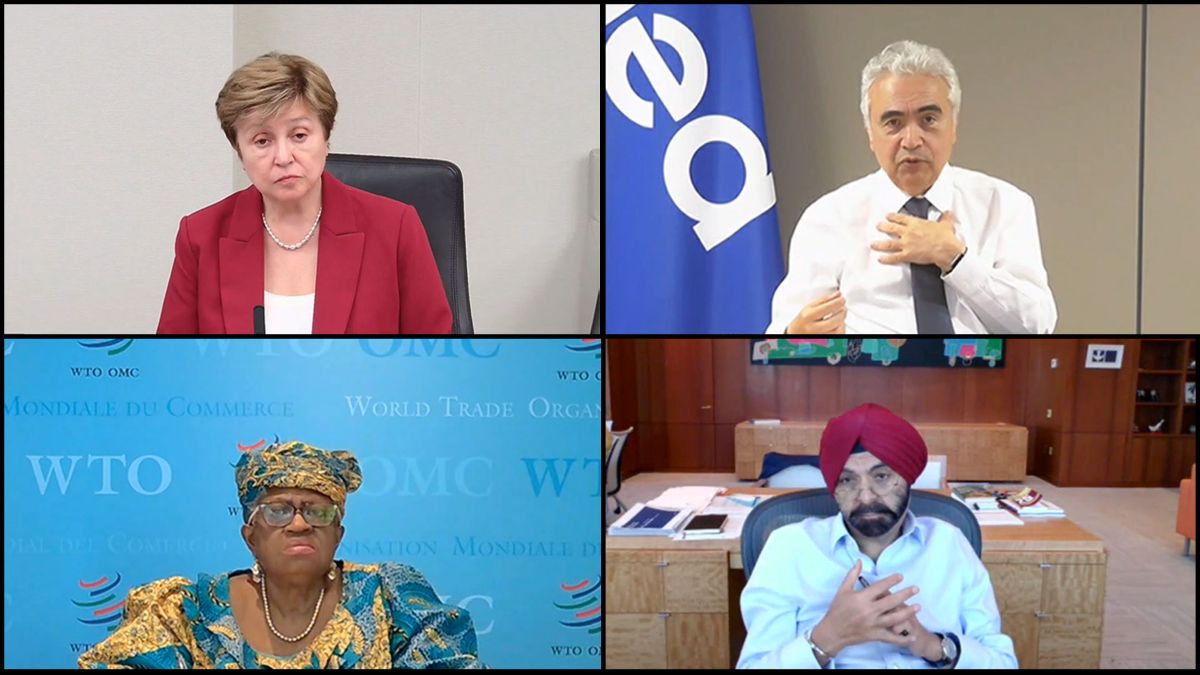
The leaders of the International Energy Agency (IEA), International Monetary Fund (IMF), World Bank Group, and World Trade Organization (WTO) met on Thursday to coordinate a response to what they described as “substantial and highly asymmetric impacts” threatening global energy supplies, food security, and macroeconomic stability.
The Summer Energy Crunch: A Race Against Inventories
The most acute threat outlined by the coordination group is a rapidly tightening global energy market. Following a major loss of supply through the critical Strait of Hormuz shipping lane, global oil inventories are currently being drawn down at a record pace.
The timing could scarcely be worse. The Northern Hemisphere is fast approaching its peak summer demand season—a period typically characterized by increased travel and heightened power grid strain.
“If shipping flows do not return to normal, continued rapid depletion of global oil inventories… would present increasing risks for fuel security, market conditions, and broader economic resilience.”
If these vital maritime corridors remain choked, the buffer provided by current stockpiles will vanish, potentially triggering a volatile surge in crude prices that could upend central banks’ delicate battles against inflation.
A Disproportionate Blow to the Vulnerable
While the broader global economy has shown an underlying resilience, the joint statement emphasized that the pain of this conflict is profoundly unequal. The crisis is disproportionately hammering the world’s most vulnerable nations through a combination of:
- Spike in Input Costs: Higher fuel and fertilizer prices are draining foreign exchange reserves and driving up local inflation.
- Agricultural Threats: The surge in fertilizer costs is causing acute concern as multiple regions enter their critical planting seasons, raising the specter of mid-term food insecurity.
- Socioeconomic Strain: Increased market uncertainty is directly threatening jobs and livelihoods in developing economies that lack the fiscal space to implement large-scale safety nets.
Mapping the Multilateral Response
Formed in April to streamline institutional responses, this high-level coordination group signals a unified front to prevent a localized conflict from cascading into a systemic global depression.
Moving forward, the four organizations are shifting their focus toward enhanced tracking and market transparency. The agencies are actively monitoring government policy interventions worldwide to share strategic lessons, analyze emerging risks, and ensure that protectionist trade measures do not worsen the ongoing supply chain friction.
Ultimately, the joint brief is both a blueprint for institutional cooperation and an urgent SOS to global policymakers. As the summer heat approaches, the margin for error in global energy and agricultural markets has rarely been thinner.