 By
By A high-level bilateral intervention between Mogale City Local Municipality and bulk water supplier Rand Water has unblocked critical supply bottlenecks in the West Rand, driving a rapid initial recovery in the distressed Kagiso water system.

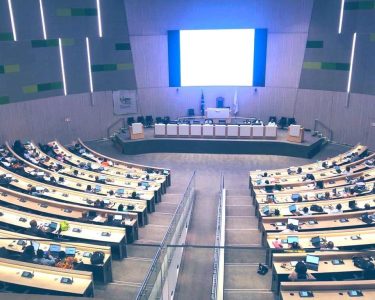
The technical breakthrough follows a three-day bilateral engagement facilitated by Gauteng MEC for Infrastructure Development and Cooperative Governance and Traditional Affairs (COGTA), Jacob Mamabolo. The intergovernmental mediation was convened to address severe household supply disruptions that persisted even after full power was restored to Rand Water’s vital Eikenhof pumping station.
Executive Mayor Lucky Sele welcomed the immediate operational gains while highlighting a newly established framework aimed at securing long-term water resilience across the municipality.
Rapid Reservoir Stabilization
System metrics indicate a swift physical response following the joint operational adjustments. The Kagiso Reservoir, which had plummeted to a critical low of 1.9% capacity at 05:20 AM on August 28, rebounded to 24% by 16:00 PM the same day.
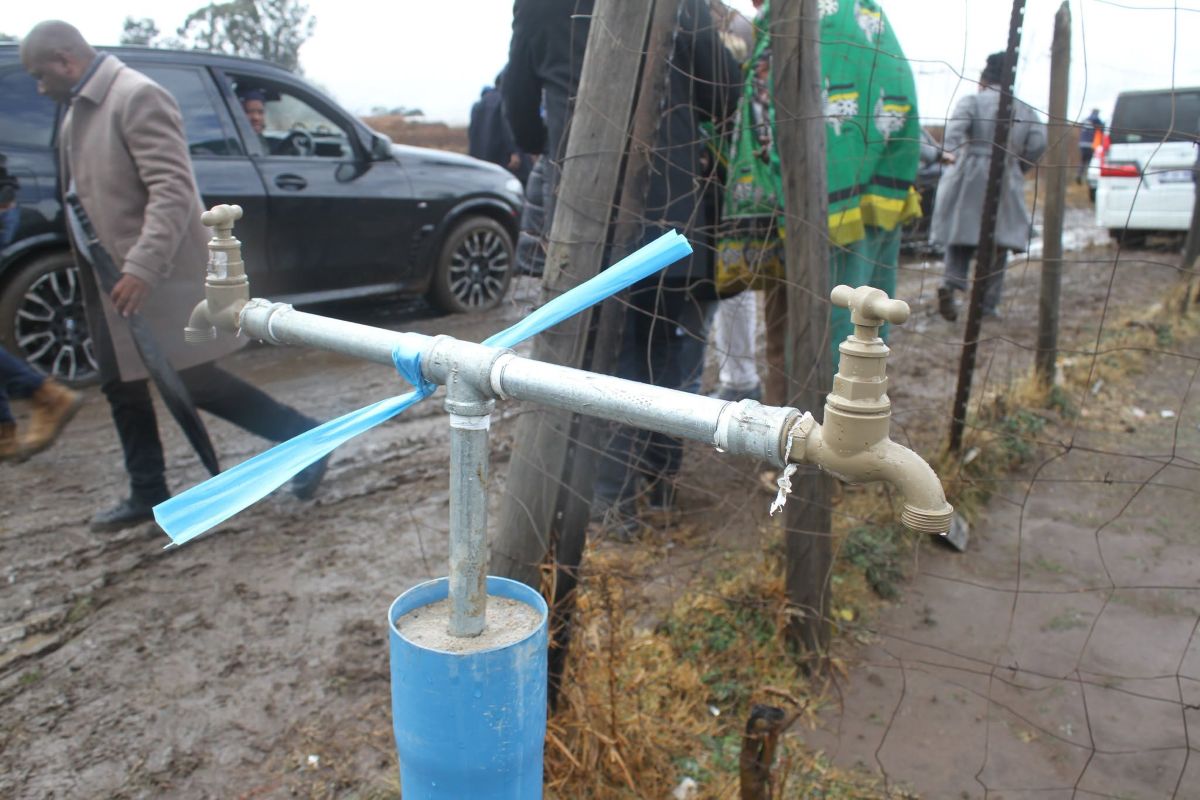
While tap water has begun returning to several sections of Kagiso, municipal technical teams and regional water sector authorities remain deployed to manage the recovery phase. Local officials have urged residents to maintain strict water conservation practices to avoid destabilizing pressure levels as bulk storage continues to replenish.
Independent Technical Audit and Capital Planning
Beyond immediate stabilization measures, the bilateral summit produced structural agreements to fix systemic vulnerabilities in the municipality’s water supply chain:
- Independent Engineering Assessment: Rand Water will appoint an independent multidisciplinary water engineering team to work with Mogale City’s technical specialists. The team will conduct a comprehensive audit of the water supply network to establish precise capital investment and operational requirements.
- Early-Warning Telemetry: The entities agreed to upgrade monitoring mechanisms tracking bulk source transfers and daily inflow into municipal infrastructure. This early-warning framework is designed to detect volume deviations early and trigger corrective measures before reservoir levels hit critical thresholds.
- Reactivation of Strategic Storage: Mogale City will restore and operationalize its dormant 10-megalitre water storage facility. Once fully operational, the facility will serve as a strategic buffer against bulk supply shocks and system instability.
- Intergovernmental Oversight: The Gauteng Portfolio Head of Water and Sanitation will be integrated into the process to strengthen multi-sphere governance, oversight, and policy alignment.
Emergency Operations and Resource Allocation
Throughout the supply crisis, Mogale City deployed its municipal water tanker fleet to deliver relief to impacted residential zones. The municipality noted that managing the emergency required balancing tanker deployments with routine operations, such as supplying un-reticulated rural areas dependent on daily tanker deliveries. Officials confirmed that fleet deployment remains prioritized toward areas facing the most severe constraints until full network pressure is restored.
Mayor Sele emphasized that the collaborative framework provides a definitive roadmap to safeguard the region’s economic and municipal water security. “The municipality remains committed to working with Rand Water and the Gauteng Provincial Government to ensure that the resolutions reached through this bilateral process translate into tangible, sustainable and lasting improvements in water security across Mogale City,” Sele stated.