 By
By 
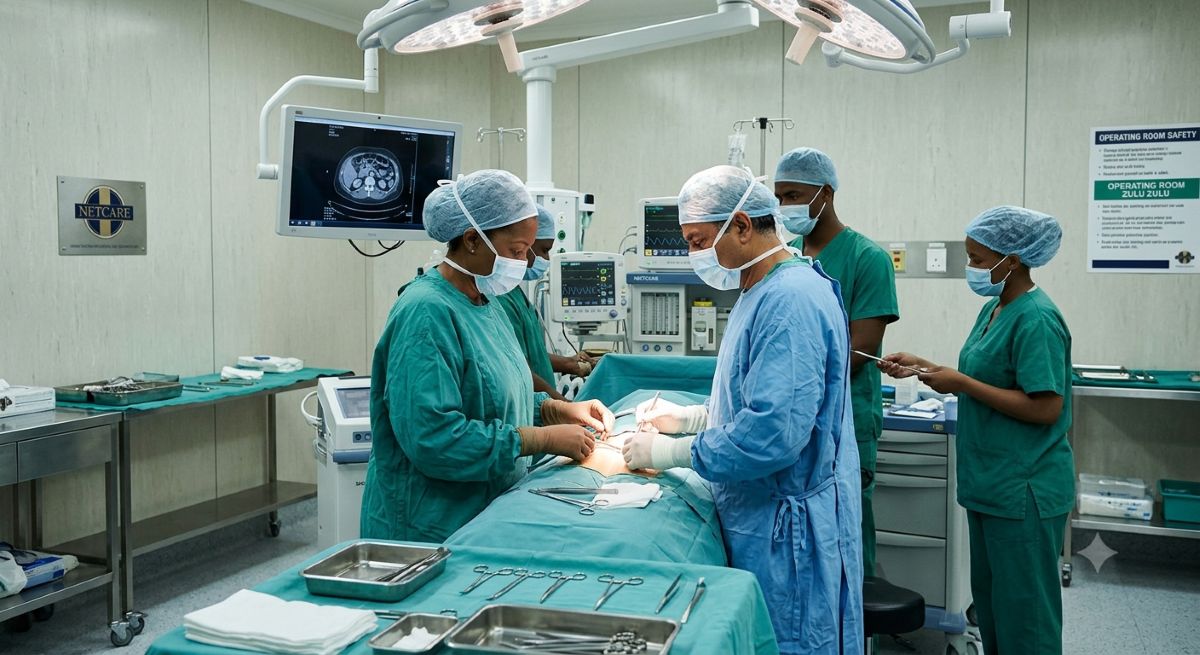
JOHANNESBURG — In a major push to address chronic healthcare backlogs and improve patient outcomes, the Gauteng Department of Health has launched the fourth edition of its annual Mandela Month Surgical Marathon. Running from July 11 to July 31, 2026, clinical teams across the province have pledged to perform more than 1,000 surgeries and specialized clinical procedures.
The initiative, timed to honour the legacy of Nelson Mandela International Day, aims to restore dignity and provide life-altering relief to hundreds of patients currently trapped on lengthy public healthcare waiting lists.
Raising the Bar for Public Healthcare
This year’s target is the most ambitious yet. The department has secured a total pledge of 1,078 surgeries and clinical procedures across 19 public facilities, including academic, tertiary, regional, and district hospitals. This marks a significant increase from the 2025 marathon, which successfully delivered 806 procedures.
The scale of the 2026 intervention represents one of the province’s largest coordinated surgical access strategies to date. By optimizing operating theatre utilization and dedicating specific blocks of time throughout July, the department hopes to create immediate, tangible relief for patients who have often waited months—or even years—for routine and specialized operations.
The marathon is not a standalone event; it integrates into Gauteng’s broader Treatment Time Guarantees (TTG) Programme. The TTG framework is designed to structurally improve patient flow and ensure sustainable, long-term efficiency in theatre utilization across the province’s public healthcare network.
A Multi-Disciplinary Effort
What sets this year’s marathon apart is the sheer breadth of medical care being offered. More than 20 surgical and clinical disciplines are mobilized for the three-week push. The procedures scheduled range from highly prevalent, high-demand operations to complex specialty interventions.
Key areas of focus include:
- Routine & Mobility Restoring Procedures: Widespread access to cataract surgeries, hernia repairs, and total hip and knee replacements.
- Specialized Interventions: Advanced procedures such as cochlear implants, penile prosthetic implants, and cardiac operations.
- Pediatric & Specialized Care: Dedicated slots for pediatric reconstructive surgery, neurosurgery, oncological services, and plastic and reconstructive surgery.
The Power of Public-Private Partnerships
Recognizing the immense pressure on state resources, the Gauteng Department of Health has partnered with several prominent civil society and non-profit organizations to pull off the marathon.
Groups like Gift of the Givers, the Islamic Medical Association of South Africa, Operation Healing Hands, and Envision Africa are actively supporting the initiative. These partnerships provide crucial reinforcements, including volunteer specialist clinical teams, essential medical consumables, and specialized equipment required to keep theatres running at maximum capacity.

More Than Just a Medical Metric
From a public health perspective, the value of reducing surgical backlogs extends far beyond numbers on a spread-sheet.
“For many patients, surgery represents more than a medical procedure. It means restored sight, renewed mobility, relief from pain and an opportunity to return to work, school and family life,” the Department noted in its official media statement.
The initiative directly aligns with the 2026 Nelson Mandela International Day theme: “It is still in our hands to combat poverty and inequity.” In a country where healthcare access remains heavily divided along socioeconomic lines, targeted interventions like the Surgical Marathon serve as a vital tool in bridging the gap toward equitable care for all Gauteng residents.
As hospitals gear up for the intensive weeks ahead, health officials have praised the extraordinary dedication of the surgeons, anaesthetists, nurses, support staff, and management teams who are volunteering to work well beyond their standard shifts to make the marathon a success.