 By
By 
Education plays a vital role in preparing learners to become economically viable in the future, and in turn advance the economy of the country, however, foundational education has come under serous criticism as some learners cannot read for meaning when they reach high school.
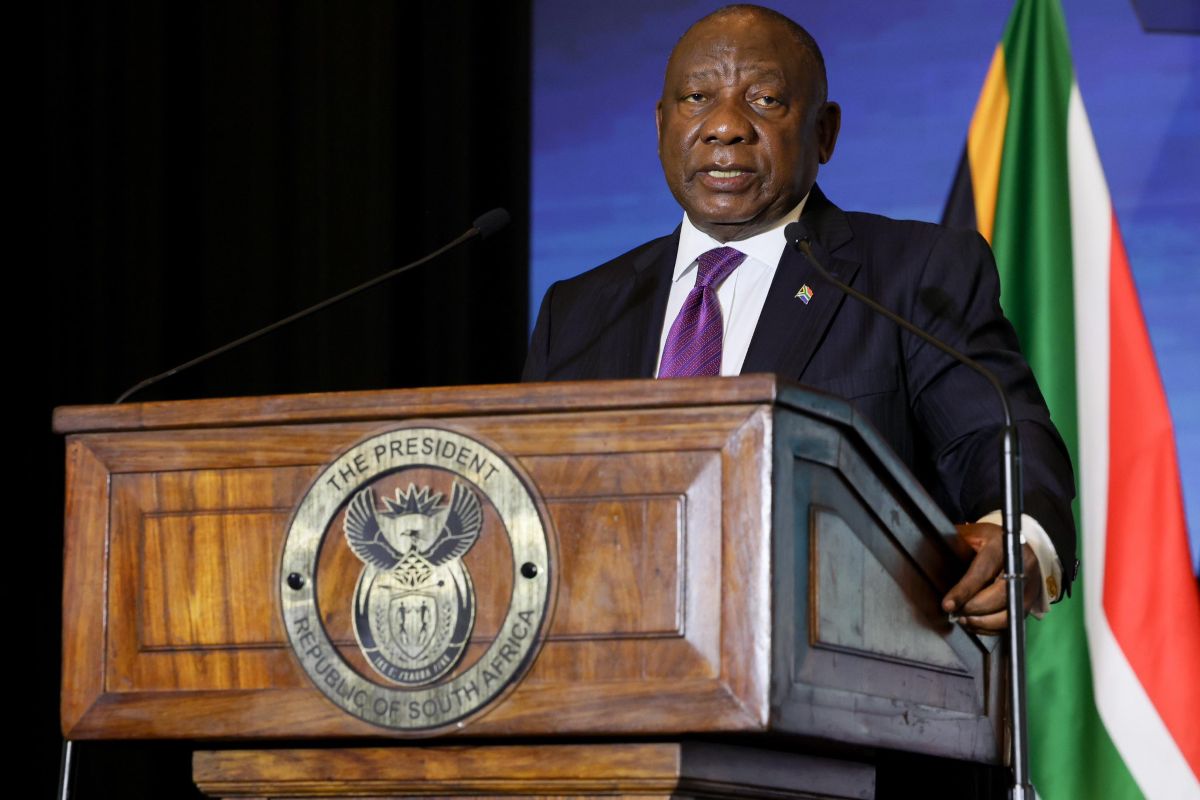
During the Basic Education Lekgotla on Wednesday, in Gauteng, President Cyril Ramaphosa told his audience that government will now be investing more on foundational or early learning. He said a strong viable foundational education will help lift the challenge of poverty and inequality in the country; the President said with a good education, the future looks good as the learners will be able to participate effectively in the economy of the country.
Pointing the National Development Plan (NDP), Ramaphosa said the NDP envisages an education system in which all learners are equipped with strong foundational skills in literacy, numeracy and science.
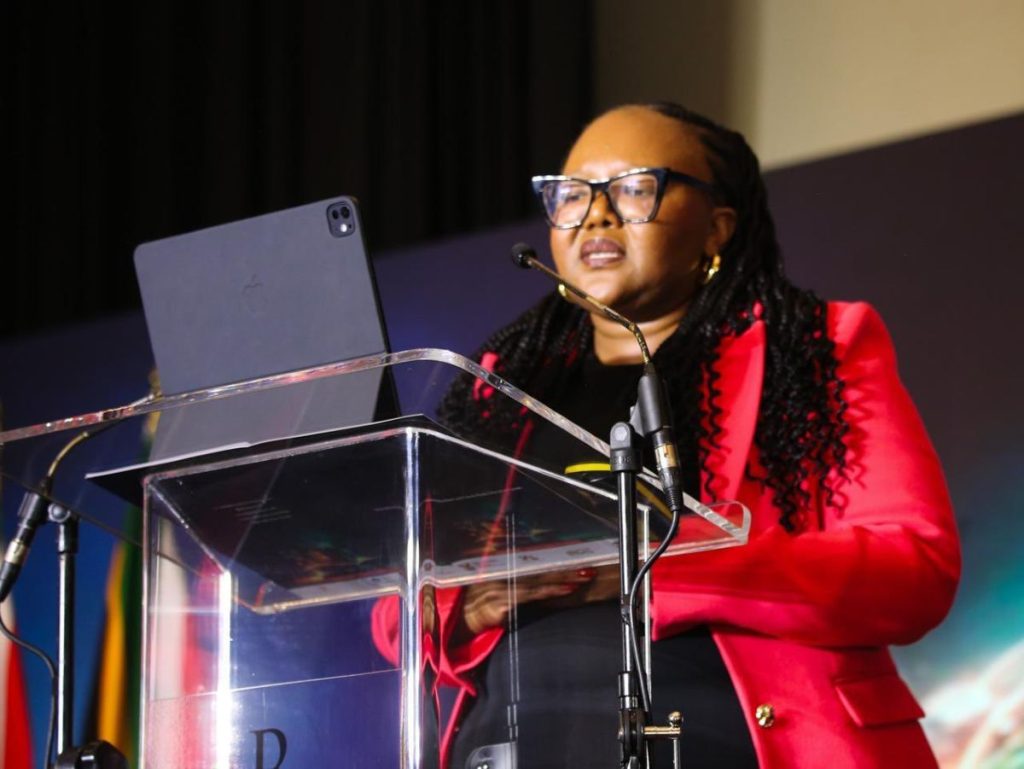
“As a country, our commitment to a resilient and capable education system must begin where it matters most: in the early grades, where the foundations for all future learning are laid. Strengthening early grade reading and numeracy is a national priority and moral imperative. When children do not learn to read for meaning or to work confidently with numbers by the end of the Foundation Phase, the cost is borne by the entire education system.
Unless we get it right at the outset, learners spend the rest of their school careers trying to catch up. We see this in repetition, dropout, weak progression and the tragic loss of human potential. For this reason, we are intensifying our focus on evidence-based teaching of literacy and numeracy.
We are working to ensure that every classroom is supported by a coherent curriculum and well-trained teachers. And that every classroom has high-quality, age-appropriate, grade-specific and culturally relevant learning and teaching support materials,” said President Ramaphosa.
The Minister for Basic Education Siviwe Gwarube said, though there are some major improvements with the matric results, some work remains at foundational phase. She said learners must be able to read for meaning when they reach grade 4.
Gwarube said foundational Literacy and Numeracy is not just an education priority; it is the compass for national development. Without it, higher-order learning cannot occur. Learners fall behind, drop out, and inequality deepens. With strong foundations, learners thrive academically, socially, and economically.
“Global evidence confirms that early, targeted investments in foundational learning yield the highest returns of any education intervention. If we act decisively now, we can reverse learning poverty and unlock opportunity for millions of children.
We are not starting from zero. Across provinces, we see programmes that work: mother-tongue bilingual education, structured pedagogy, teacher coaching, and parental engagement. The lesson is consistent: when teachers are supported, instruction is targeted, and families are involved, children learn – and they learn quickly,” said Minister Siviwe Gwarube.