 By
By 
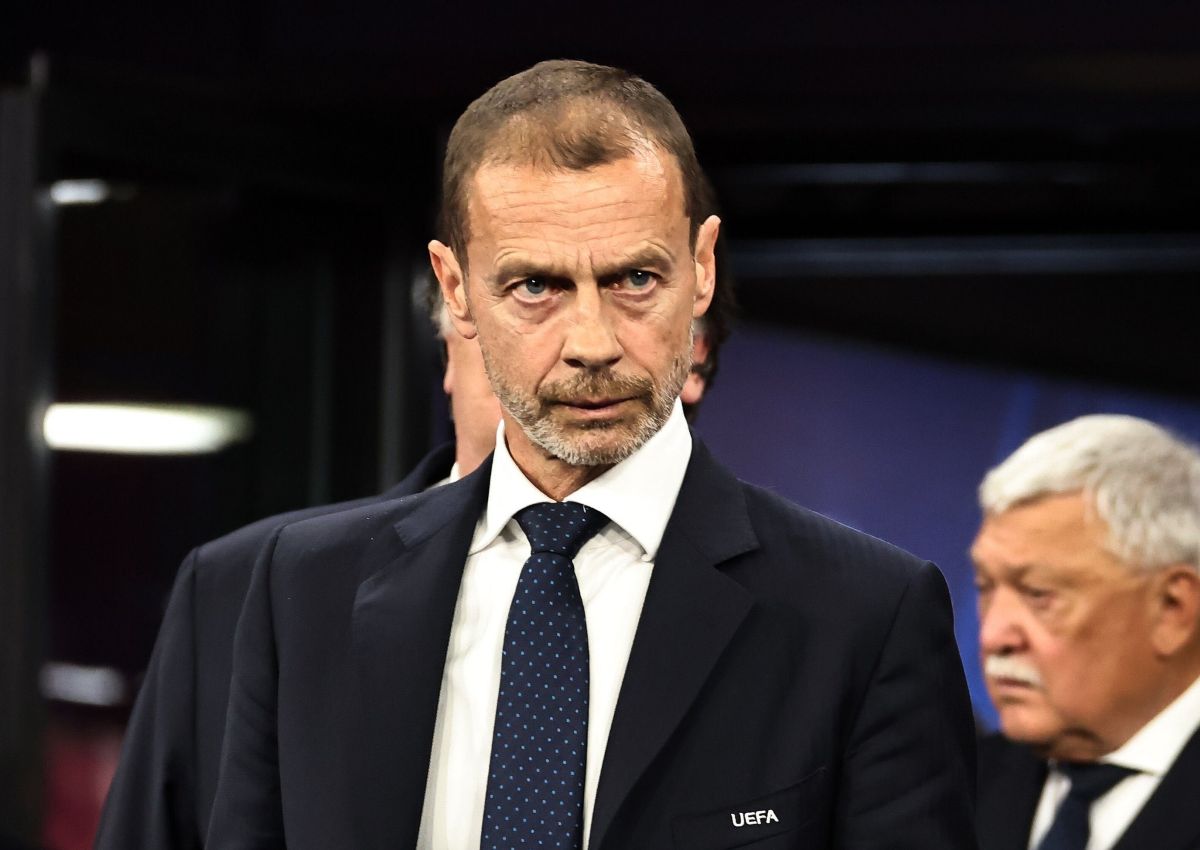
A massive diplomatic rift has opened in global football as thirteen national associations from across Africa, the Caribbean, and Asia have issued a scathing joint statement condemning UEFA President Aleksander Čeferin. The coalition has expressed “profound disappointment” over recent remarks made by the European football chief, who criticized the expansion of the FIFA World Cup and characterized many of the tournament’s upcoming matches as “uninteresting”.
The joint response—signed by the football federations of Cape Verde, Curaçao, Uzbekistan, Congo, and Haiti, alongside the heavyweights of African football including Algeria, Tunisia, Morocco, Egypt, Ghana, Senegal, Côte d’Ivoire, and South Africa—marks a fierce pushback against what they view as a Eurocentric perspective of the global game.
“No Such Thing as an Unimportant Match”
In a firmly worded rebuttal, the nations flatly rejected Čeferin’s characterization of the tournament’s expanded format.
“We respectfully but firmly reject these comments,” the statement reads. “For our countries, there is no such thing as an unimportant World Cup match.”
The breakthrough of emerging football nations is at the heart of the dispute. For debutants Cape Verde, Curaçao, and Uzbekistan, qualifying for the upcoming tournament is described as a “historic achievement” and the ultimate “realization of a dream shared by generations”. Meanwhile, for nations like Congo and Haiti, a return to the world stage after decades away carries immense significance for millions of fans who have long awaited the moment.
The coalition argued that dismissing these fixtures as “uninteresting” completely undermines the years of grassroots investment, sacrifice, and hard work put in by players, coaches, clubs, and administrators worldwide.
A Battle Over Football’s Universality
The dispute highlights a long-standing ideological divide in world football between the traditional European elite and the rest of the world. The signing nations took direct aim at the idea that football should be governed by a privileged minority, stating bluntly that the sport “does not belong to a select group of nations.”
Instead, they argued that the tournament’s true power lies in its diversity.
- Universality: The true strength of the World Cup stems from its global reach, bringing together different cultures, histories, and unique footballing journeys.
- Development: Beyond the pitch, participation acts as a vital catalyst that inspires the next generation and rapidly accelerates football development within these countries.
- Meritocracy: The statement fiercely defended the legitimacy of the expanded tournament, emphasizing that every single nation involved earned its place on pure sporting merit.
A United Front
The sheer scale of solidarity behind the letter sends a powerful message to UEFA and the broader football establishment. By aligning regional powerhouses like Morocco, Senegal, and Egypt with rising football nations, the coalition has made it clear that they will no longer tolerate rhetoric that diminishes their presence on the international stage.
As the football world moves into a new era of an expanded World Cup, this unified stance serves as a stark reminder that while some see a diluted product, millions of others see hope, unity, and a well-earned spotlight.
The message from the global coalition remains unyielding: “Every team qualified on merit. Every match matters.”
UEFA has not yet officially responded to the joint statement.