 By
By Johannesburg — In what is being hailed as a major turning point for local governance in the economic hub of South Africa, the Gauteng Provincial Government has reported a significant breakthrough in stabilizing senior management structures across the province’s municipalities.
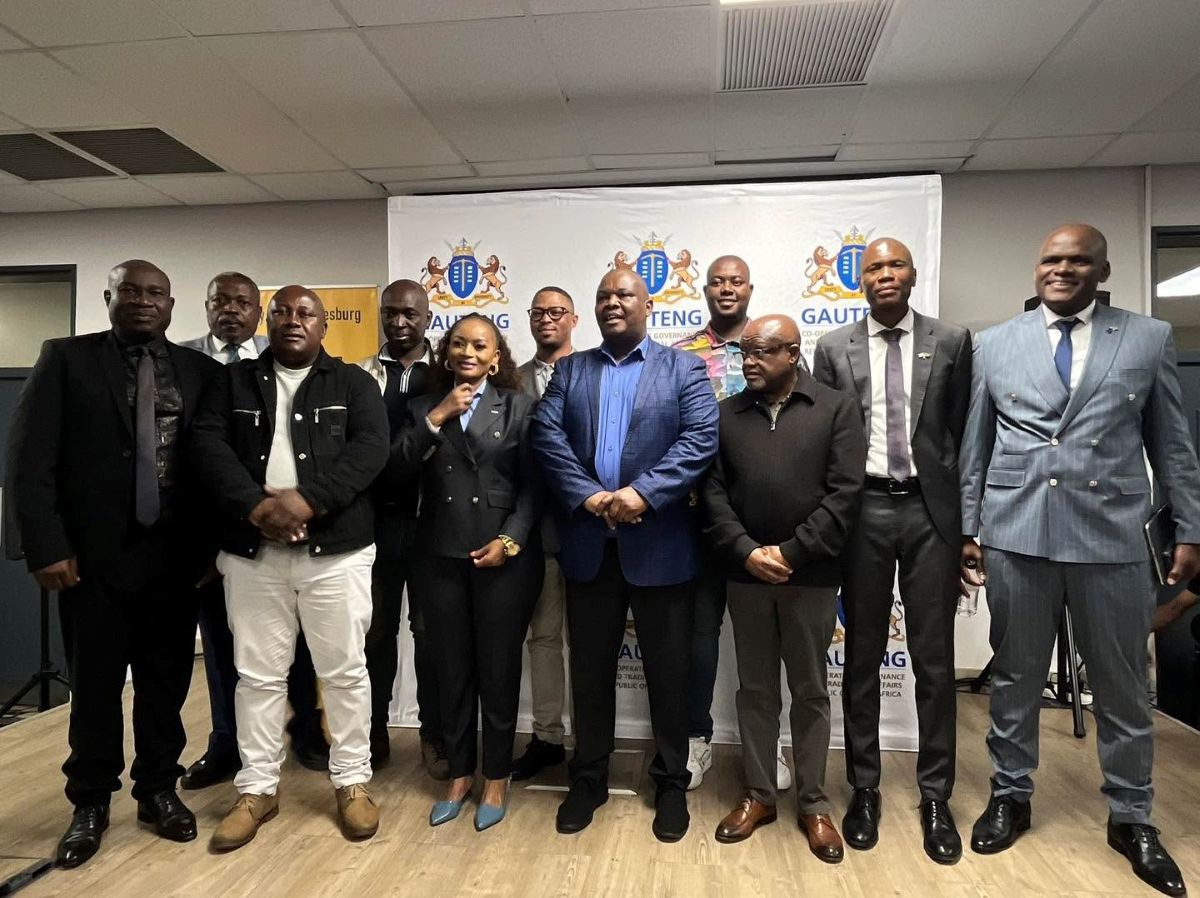
Gauteng MEC for Cooperative Governance and Traditional Affairs (CoGTA), Jacob Mamabolo, commended local authorities for a sharp turnaround that has seen the overall vacancy rate for senior managers improve dramatically, shifting from 70% in April 2025 to an 86% fill rate by April 2026—a commendable 16% year-on-year increase.
The Engine of the Local Government Turnaround Action Strategy
MEC Mamabolo has attributed this positive trajectory directly to the rigorous implementation of the Local Government Turnaround Action Strategy (LGTAS). Within the LGTAS framework, the Institutional and Administrative Capabilities work-stream long identified stable leadership as an absolute prerequisite for effective service delivery.
Most critically, the province has achieved a milestone where all City and Municipal Manager positions across Gauteng’s 11 municipalities are now 100% filled. This complete leadership complement forms the cornerstone of broader provincial efforts to fortify municipal administrative capacity.
Furthermore, 77% of these senior managers are permanently employed, injecting much-needed institutional memory and administrative continuity into local halls of power. While 23% remain on fixed-term contracts set to lapse around the forthcoming Local Government Elections, the overarching tilt toward permanence is widely expected to bolster governance.
Tangible Benefits for Infrastructure and Basic Services
This administrative consolidation is already bleeding into tangible service delivery gains aligned with LGTAS Key Performance Indicators. With 86% of funded critical positions now occupied, municipalities are better equipped to tackle persistent service delivery backlogs.
Between January and April 2026, a substantial 27% of newly filled positions were concentrated within Infrastructure and Technical Services. Strengthening these technical units is viewed as essential to reversing the degradation of basic municipal services, ensuring greater reliability in water, electricity, and road infrastructure.
“The stabilization of our senior management echelons is not merely an administrative achievement; it is the foundation upon which we build a capable, ethical, and developmental local government,” MEC Mamabolo declared.
“A full complement of Municipal Managers and senior leadership translates directly into improved accountability, better financial management, and faster response times to community needs. This is the essence of the LGTAS vision, doing the right thing, in the right place, at the right time.”
Reaping Dividends in Governance and Oversight
The LGTAS institutional capabilities blueprint stresses that stable leadership is vital across several interconnected fronts:
- Improving Audit Outcomes: Consistent leadership is highlighted as critical for implementing effective turnaround plans, resolving repeat findings, and curtailing irregular expenditure.
- Strengthening Governance: A full bench of senior managers directly guarantees the functional health and robust oversight of vital structures, including Municipal Public Accounts Committees (MPACs) and Audit Committees.
- Enhancing Service Delivery: Dedicated leadership empowers municipalities to fast-track technical appointments, bring infrastructure projects to completion, and curb massive water and electricity losses.
Looking Ahead Beyond the Electoral Cycle
Despite the undeniable progress, provincial leadership acknowledges that headwinds remain. Challenges persist regarding unfunded vacant posts and the need to accelerate the cascading of Performance Management Development Systems (PMDS) down the organizational hierarchy.
To safeguard the momentum gained thus far, the Department of CoGTA has committed to ongoing collaboration with the South African Local Government Association (SALGA), municipalities, and organized labour. The collective objective is to ensure that all senior management positions eventually transition to permanent status, locking in administrative stability well beyond the 2026 electoral cycle.