
 By
By JOHANNESBURG — Following the confirmation of three laboratory-tested cases of Mpox in Gauteng by the National Institute for Communicable Diseases (NICD) on September 18, 2026, the Gauteng Department of Health (GDoH) has reassured residents that the province is fully prepared to manage any potential escalation of the disease.

With robust surveillance systems, dedicated outbreak teams, and localized vaccine stocks now activated, health authorities are emphasizing early detection, community engagement, and proactive clinical management.
Strengthening Early Detection and Surveillance
To stay ahead of transmission trends, the department has integrated multiple layers of monitoring across all five health districts.
- District Outbreak Response Teams: Functional response teams are deployed across all five health districts, backed by provincial experts in fields such as Communicable Disease Control, Environmental Health, Infection Prevention and Control (IPC), and Health Promotion.
- Digital and Environmental Tracking: Suspected and confirmed cases are tracked daily via the Notifiable Medical Conditions surveillance system.
- Wastewater Monitoring: Authorities utilize wastewater surveillance as a complementary early-warning mechanism to track community-level presence.
- Risk Modelling: A provincial risk calendar helps pinpoint periods or circumstances of heightened transmission risk, proactively guiding facility readiness and response measures.
The province continuously reviews global and national transmission patterns, including emerging variants, ensuring that public health frameworks remain adaptive.
Vaccine Readiness and Storage Protocol
Addressing logistics around immunizations, GDoH confirmed that a total of 586 doses of Mpox vaccines are currently in stock within the province. Because these specialized vaccines require strict cold-chain maintenance at approximately -40°C, they are not stored at standard clinics.
Instead, they are securely housed in dedicated freezers at regional pharmacies. Local clinics can request these doses swiftly whenever an identified need arises. Furthermore, the provincial department is actively engaging with the National Department of Health to secure supplementary doses if required.
Community Collaboration and Public Vigilance
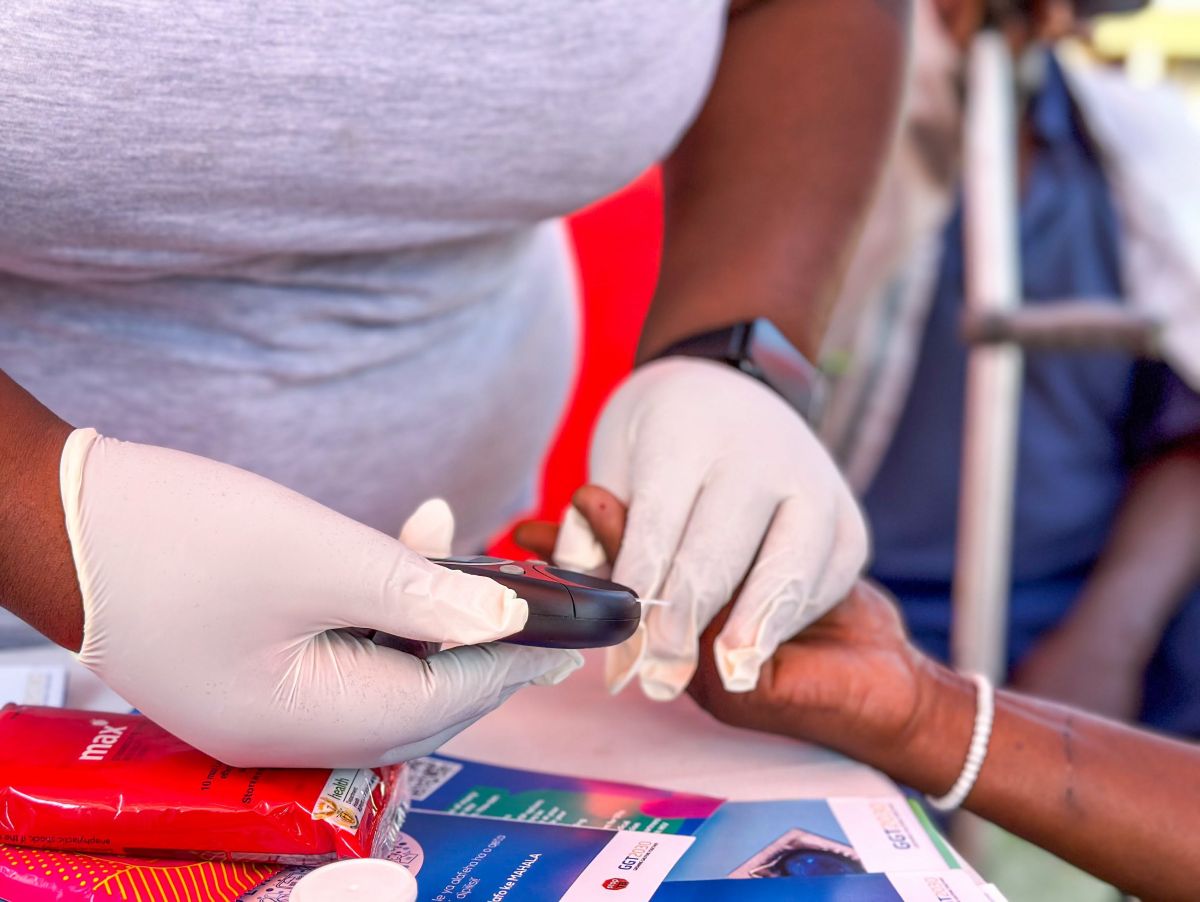
Health officials stress that curbing transmission relies heavily on public awareness and cross-sector collaboration. The department is rolling out targeted awareness campaigns via community clinics, public meetings, digital multimedia platforms, door-to-door drives, and outreach programs.
To build trust and ensure reliable information reaches every corner of the community, GDoH is collaborating closely with:
- Traditional health practitioners
- Community and faith-based leaders
- Civil society and non-governmental organizations (NGOs)
Residents across Gauteng are urged to remain vigilant, familiarize themselves with the signs and symptoms of Mpox, and seek medical attention early if they suspect exposure.