 By
By 
In 2019, amidst the vibrant hustle of Vilakazi Street in Soweto, a casual conversation between a lucerne farmer and a German tourist sparked a transformation that would ripple across South Africa’s agricultural landscape.
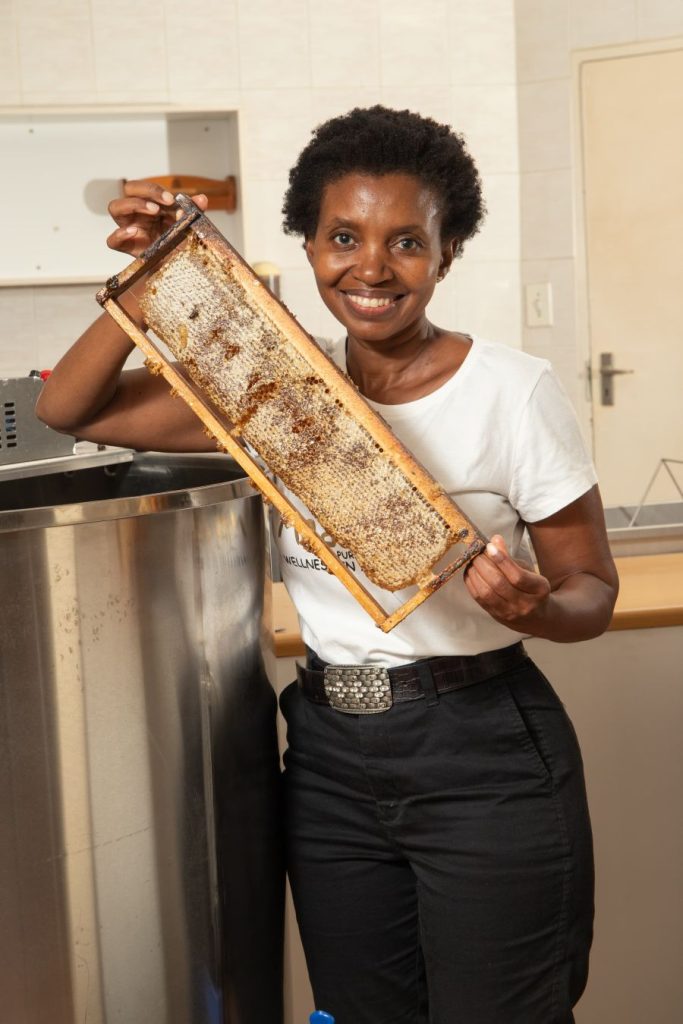
Today, that brief encounter has blossomed into Bee African, a trailblazing, women-led agribusiness near Brits in the North West that is actively reshaping the country’s male-dominated beekeeping sector.
For founder Mems Ramaila, the journey began not with a grand corporate blueprint, but with a simple observation of the natural world around her. Facing swarms of bees constantly gathering on her farm, Ramaila began asking how she could turn an environmental constant into an economic asset.
“I had always been interested in beekeeping and wondered how I could make use of the bees that were already part of my farming environment,” Ramaila recalls. “A casual conversation with a German tourist in Vilakazi Street in 2019 changed everything.”
That chance meeting introduced her to internationally acclaimed honey judge Arie Krieke, who subsequently travelled to South Africa to mentor Ramaila for three weeks, sharing vital expertise in beekeeping and high-standard honey production. Recognizing the strong income potential, environmental value, and socio-economic impact of apiculture, Ramaila translated her extensive research into action.
Expanding Beyond the Hive: A Model in Agro-Processing
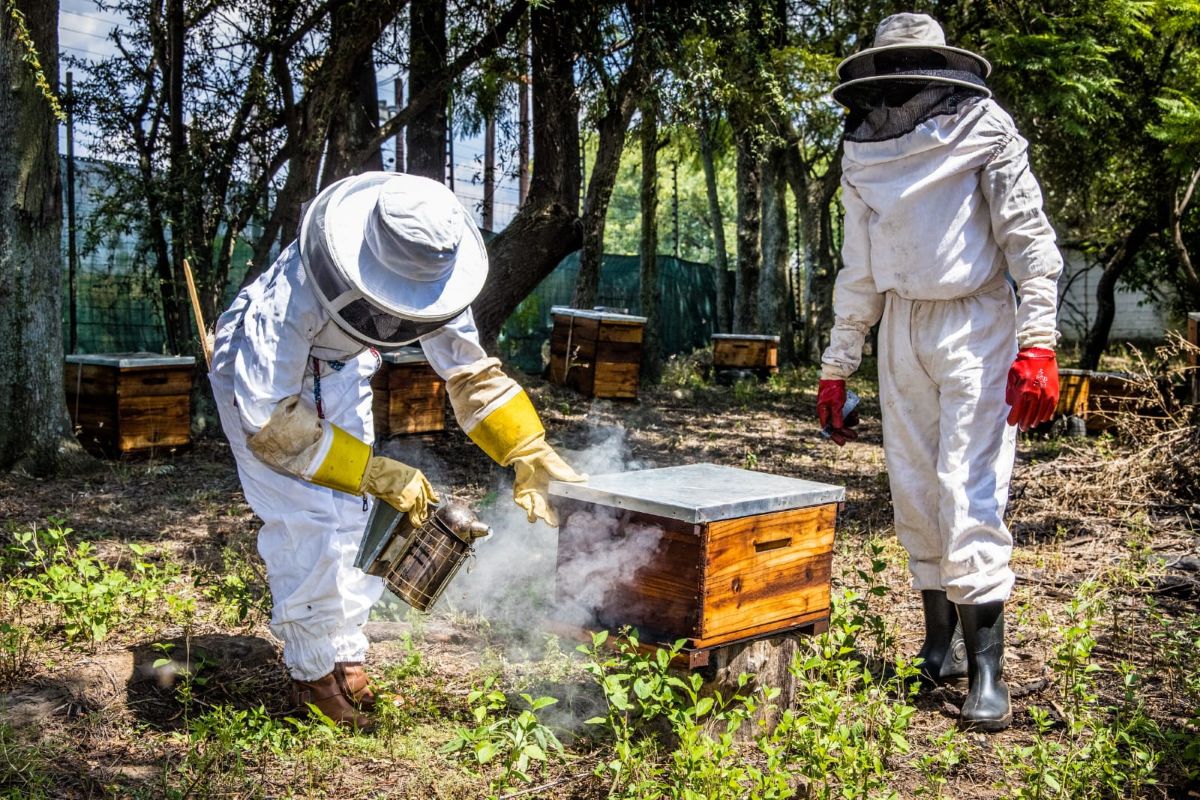
Fast forward to the present, and Bee African’s farm is a buzzing hub housing over 50 beehives. However, Ramaila’s vision extended far beyond primary honey production. Recognizing the limits of selling raw commodities, she pivoted toward value-added agro-processing.
A major turning point came through her selection for the Partnering in Business with Germany Programme—a joint initiative involving South Africa’s Department of Trade, Industry and Competition (the dtic), the German Federal Ministry for Economic Affairs and Climate Action, and the German Corporation for International Cooperation (GIZ).
A three-week immersion in Germany in 2025 provided crucial market access insights and led to a strategic Memorandum of Agreement with German beekeeping enterprise Kriel Honig. The fruits of this international collaboration materialized rapidly: in February 2026, Kriel Honig owner Utha Bonowsky spent a month in South Africa up-skilling the Bee African team in product beneficiation.
Today, Bee African manufactures an array of premium offerings, including:
- Specialty Food & Condiments: High-grade honey blends and specialty culinary products.
- Wellness & Lifestyle: Premium beeswax candles and health-focused bee products.
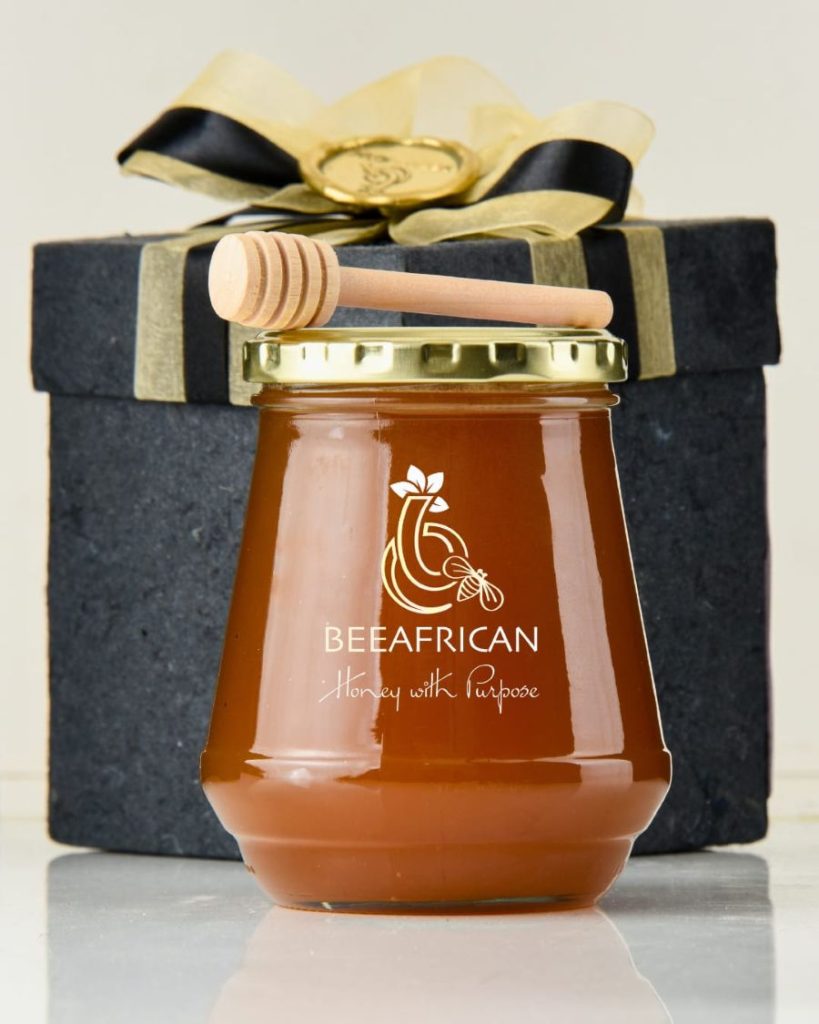
- Equipment & Packaging: Customised gift boxes and locally manufactured beekeeping hardware.
- Agri-Tourism & Education: Guided farm experiences and educational programs for school learners.
“Our value proposition goes beyond selling honey. We are trading wellness,” emphasizes Ramaila. “Honey and other bee products offer nutritional and medicinal benefits, including supporting gut health and consumers appreciate that.”

Sweet Success Meets Structural Realities
The market response has been rapid. Driven by high demand at pop-up markets and growing interest from major shopping centres, Bee African is carving out a strong niche in the premium market. Yet, as Ramaila prepares to scale up production to help lower South Africa’s dependency on imported honey, she remains candid about the systemic hurdles facing emerging black agriculturalists—most notably, restricted access to suitable land.
Despite these barriers, Bee African represents the future of sustainable African entrepreneurship. Beyond its core team of three full-time employees, the enterprise serves as an educational ecosystem, teaching youth about biodiversity and the vital role pollinators play in global food security.
Mems Ramaila’s evolution from a curious lucerne farmer to an international exporter demonstrates that with strategic vision, cross-border collaboration, and a focus on high-value processing, local agribusinesses can turn local resources into global opportunities.