 By
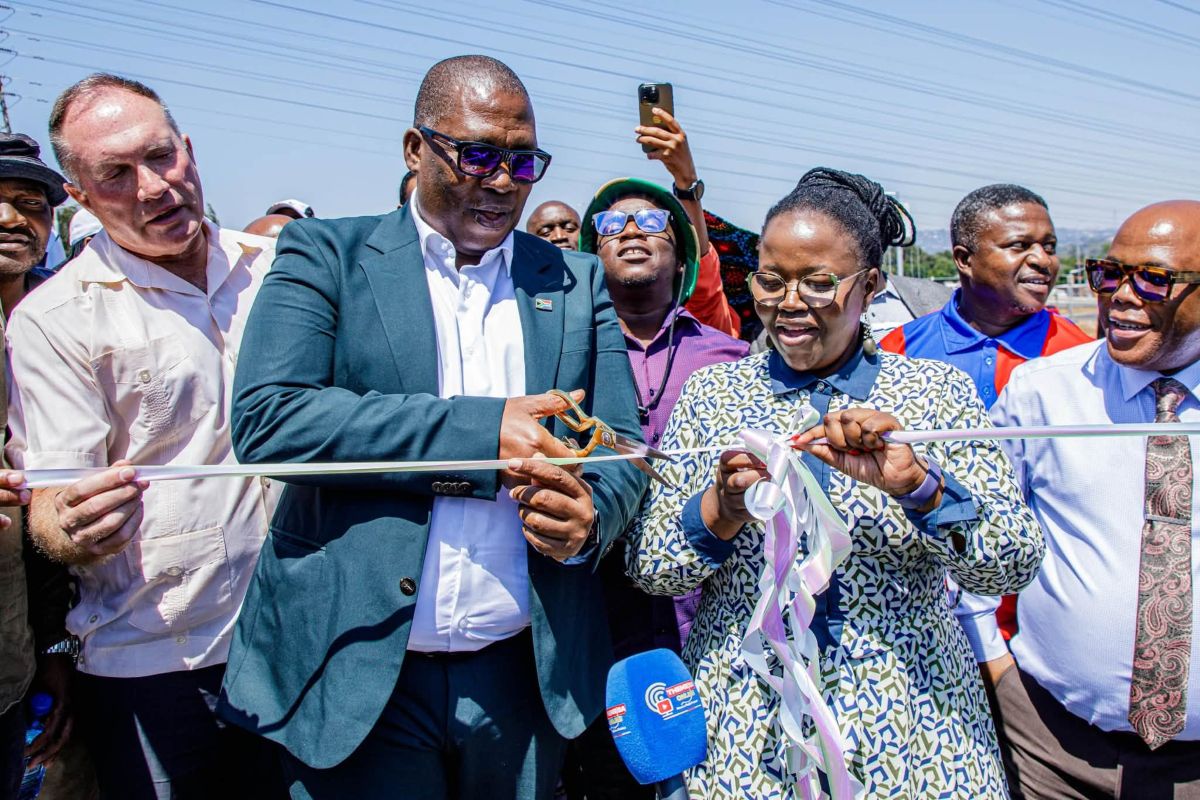
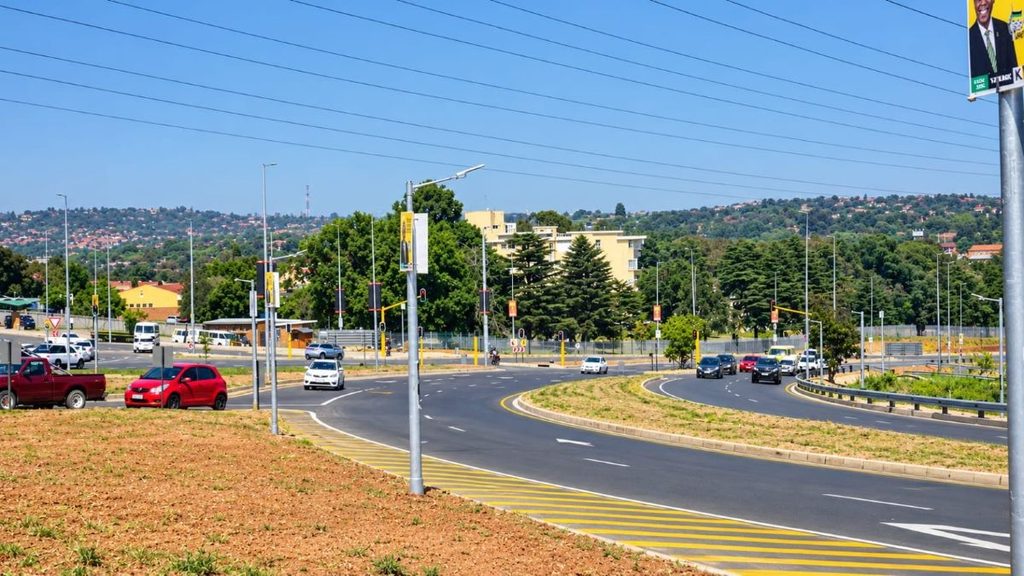
By The Gauteng Provincial Government has officially opened the upgraded Modderfontein (K155) Road Corridor, marking a pivotal milestone in the province’s infrastructure-led development strategy.
Unveiled by Gauteng Premier Panyaza Lesufi and MEC for Roads and Transport Kedibone Diale-Tlabela, the newly expanded strategic transport route connects key economic and residential nodes across Johannesburg and Ekurhuleni.
From an economic perspective, the project transcends traditional civil engineering; it serves as a calculated injection into regional productivity, supply chain efficiency, and localized economic empowerment.

Enhancing Regional Logistics and Economic Competitiveness
At its core, the K155 corridor addresses critical economic bottlenecks in South Africa’s industrial heartland. By expanding roadways, upgrading intersections, modernizing traffic signals, and introducing comprehensive pedestrian and lighting infrastructure, the project resolves chronic congestion challenges that traditionally impede commerce.
MEC Diale-Tlabela emphasized that the revamped route directly optimizes the movement of people and goods. For businesses operating across the Johannesburg-Ekurhuleni development corridor, reduced travel delays translate directly into lower operational and logistical costs. In a competitive economic climate, streamlined supply chains are vital for attracting regional investments and fostering industrial expansion.
Infrastructure-Led Growth and Macro-Economic Impact
Premier Lesufi framed the inauguration within the broader context of fiscal stimulus and structural transformation, noting that investments in infrastructure are fundamentally investments in human capital and economic resilience.
- Modernizing the Transport Network: The project aligns with provincial objectives to establish a globally competitive transport network that can support rising urban density and commercial activity.
- Unlocking Investment: Improved connectivity acts as a catalyst for real estate, retail, and industrial development along the corridor, raising the asset value of surrounding areas.
- Long-Term Asset Creation: Handing over a robust public asset ensures that the economic dividend of the capital expenditure will benefit generations of commuters and enterprises.
Localized Socio-Economic Empowerment
Beyond macroeconomic indicators, the K155 project offers a compelling case study in inclusive growth through targeted local economic participation. The provincial government integrated socio-economic deliverables directly into the construction lifecycle:
- Job Creation: The project generated 149 direct local labour opportunities during its construction phase.
- Skills Development: Community members received targeted skills training across various construction disciplines, enhancing their long-term employability in the labour market.
- SMME Integration: Local Small, Medium, and Micro Enterprises (SMMEs) secured lucrative subcontracting contracts spanning security, transportation, paving, landscaping, road marking, and civil works.
By ensuring that public capital expenditure filters down to grassroots enterprises and workers, the K155 upgrade demonstrates how strategic infrastructure spending can stimulate immediate job creation while concurrently building long-term supply-side capacity in Gauteng.