 By
JOHANNESBURG — South Africa’s Broad-Based Black Economic Empowerment (B-BBEE) framework is entering a critical phase of introspection and potential reform, with senior policymakers and economists calling for a decisive shift away from box-ticking compliance toward evidence-based, geographically targeted economic inclusion.
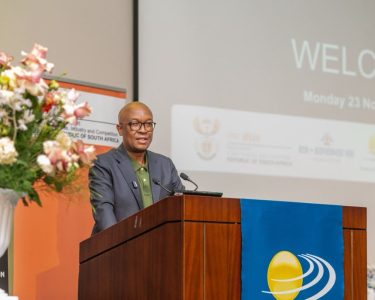
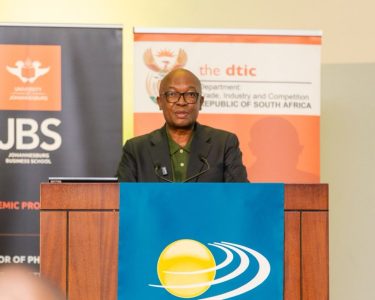
Speaking at the conclusion of the two-day Practice and Policy Conference on B-BBEE in Johannesburg on Tuesday, 24 November 2026, Acting Deputy Director-General of Transformation and Competition at the Department of Trade, Industry and Competition (the dtic), Dr Susan Mangole, emphasized that transformation policies must deliver tangible, shared prosperity across the entire population.
“The Broad-Based Black Economic Empowerment must benefit all South Africans,” Mangole told delegates at the conference, which was convened under the theme The Next Chapter: Evidence, Reform and the Path to Meaningful Inclusion.
Echoing earlier commitments made by Trade, Industry and Competition Minister Parks Tau, Mangole confirmed that the department will deepen its collaboration with Statistics South Africa (Stats SA) and key industry stakeholders to anchor future policy adjustments in empirical data.
To ensure the framework reflects grassroots realities rather than top-down mandates, the dtic plans to take public consultations nationwide.
“We cannot have a B-BBEE that is not written by South Africans,” Mangole noted, adding that a formal policy brief synthesizing the conference’s findings will be submitted to both the dtic and The Presidency within 30 days to guide the next round of national consultations.
Confronting Structural Concentration and the “Political Economy” Problem
While government officials outlined the procedural roadmap for reform, former Statistician-General Dr Pali Lehohla delivered a stark assessment of why current empowerment mechanisms have struggled to alter South Africa’s economic trajectory. Addressing the same gathering, Lehohla warned that failing to confront the economy’s underlying structural flaws will only perpetuate existing inequalities.
According to Lehohla, South Africa’s broader economic policy has fallen short in tackling weak local production, persistent job losses, educational attrition, and eroding public trust in democracy. He argued that an over-reliance on narrow compliance metrics and equity transactions fails to address the core issue: entrenched market concentration.
“Leadership and economic power remain concentrated in particular sectors, especially mining and financial services,” Lehohla stated. “The problem with B-BBEE is that, for as long as economic power remains concentrated, meaningful transformation will remain limited.”
Describing the challenge as fundamentally a “political economy problem” rather than merely a question of capital access or preferential procurement, Lehohla advocated for geographically targeted investments designed to build local supply chains and retain capital within communities.
He pointed to agriculture and public procurement—specifically school feeding schemes—as high-impact levers for inclusive growth. Strengthening domestic agricultural capacity to supply nutritious food directly to schools, he argued, would generate a far greater economic multiplier than policies that merely enrich intermediary traders.
Scaling Challengers to Unlock Job Creation
Empirical backing for Lehohla’s warning on market concentration came from the Competition Commission’s James Hodge, who presented key findings from the Commission’s May 2026 Concentration Tracker Report.
Hodge highlighted the vital role of micro, small, and medium enterprises (MSMEs) in absorbing labour, noting that they account for 44% of total employment in South Africa and are twice as employment-intensive as large corporations. However, structural barriers continue to stifle their expansion into major market players.
To break this deadlock, the report urges a recalibration of both industrial policy and competition law. Rather than focusing solely on early-stage entry, Hodge noted that policymakers must prioritize scaling proven medium-sized and larger challenger firms—a bottleneck currently limiting true competition and broad-based economic participation. Achieving this will require targeted funding mechanisms alongside stricter enforcement against anti-competitive conduct.
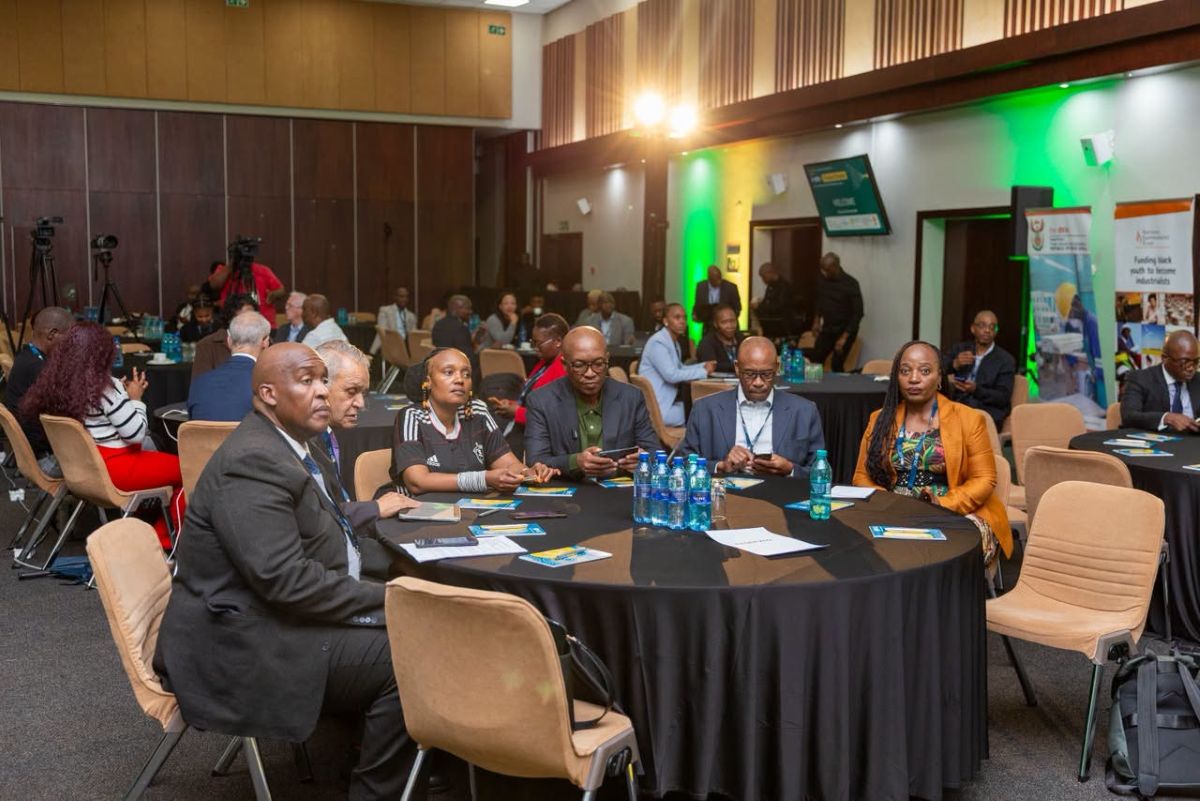
The conference—convened by the University of Johannesburg’s Johannesburg Business School alongside the dtic, The Presidency’s Policy and Research Services Unit, the B-BBEE Commission, the Industrial Development Corporation (IDC), the National Empowerment Fund (NEF), and Germany’s GIZ—signals a growing institutional consensus. As the 30-day deadline for the policy brief approaches, the central test for policymakers will be translating this diagnostic clarity into reforms that dismantle monopolies, scale emerging businesses, and expand the productive base of the South African economy.