 By
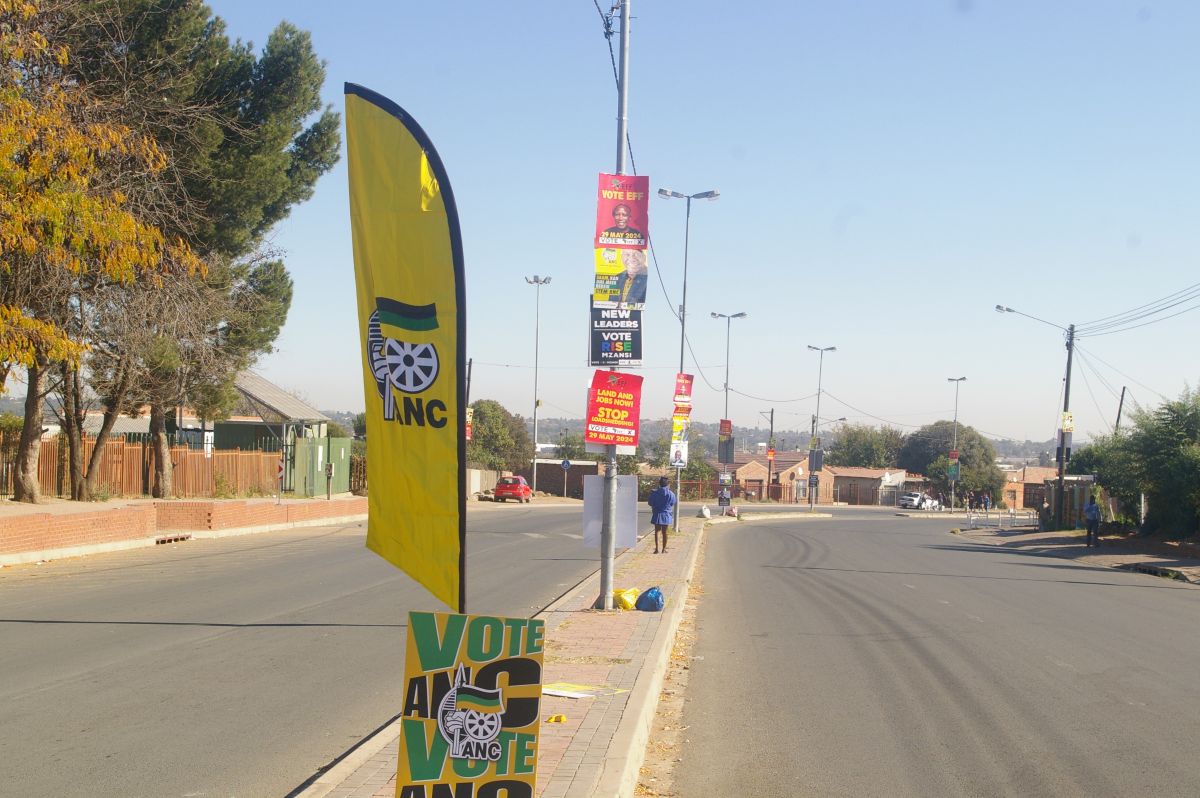
By JOHANNESBURG — South Africa’s political funding landscape has exploded into high gear following the official proclamation of the November 4, 2026, Local Government Elections (LGE2026).

Newly released figures from the Electoral Commission (IEC) for the first quarter of the 2026/27 financial year show that political parties collectively declared R116.8 million in compliant donations—with the Democratic Alliance (DA) capturing nearly nine-tenths of the total.
Meanwhile, the ruling African National Congress (ANC) finds itself embroiled in procedural scrutiny after the IEC excluded tens of millions of rands in ANC disclosures from the official tally due to widespread compliance failures.
DA Claims 89% of Declared Funding
Between April 1 and June 30, 2026, four political parties declared a total of R116,784,185.25 in political contributions, comprising R111.5 million in cash and R5.28 million in in-kind support.
The DA dominated the quarter, declaring R104,034,185.25—representing approximately 89% of all compliant funds reported nationwide. The main opposition party’s monetary backing was bolstered by massive corporate and private contributions, including R30 million from Fynbos Ekwiteit, R25 million from Fynbos Kapitaal, R10 million from Mr. D Barnes, and R5 million each from Mrs. R Slack Diamond, Ms. J Slack Jell, Mr. M Moshal, and Lombard Consolidated.
The DA also recorded significant in-kind assistance for advertising, staffing, and operational logistics, including R2.78 million from the Voices of South Africa Foundation NPC and R1.16 million from the Make a Difference Trust (MAD).
Smaller Parties Mobilize Campaign Funds
Other participating opposition parties secured smaller, focused war chests under the updated disclosure rules, which raised the reporting threshold to R200,000 and the annual donation ceiling to R30 million:
- ActionSA declared R5.5 million, anchored by a R5 million contribution from Martin Moshal. However, a R500,000 donation from Siyaya Free To Air TV remains flagged after the donor failed to submit a matching declaration, prompting the IEC to issue compliance directives.
- Labour Party of South Africa, formed in early 2024, disclosed a single monetary donation of R5 million received directly from the Association of Mineworkers and Construction Union (AMCU) on June 30.
- RISE Mzansi reported R2.25 million, consisting of R1.25 million from Ungani Investments and R1 million from Captrust Investments, both fully verified by the commission.
ANC Hit with Regulatory Directives Over Unlisted Millions
In a stark contrast to the compliant filings, the Electoral Commission disclosed that submissions concerning the ANC failed to meet statutory requirements under the Political Funding Act.
The IEC identified R15.27 million in current-quarter declarations—including R15 million from Batho Batho Trust and R270,000 from Captrust Investment—that could not be included in the official published total. Deficiencies cited included missing dual disclosures, absent proof of transactions, unverified supporting documentation, and late filings.

Furthermore, the ANC submitted a slate of late disclosures totaling tens of millions from the prior 2025/26 financial year. These included two separate R15 million contributions from Batho Batho Trust, a R10 million donation from Botho Botho Commercial Enterprises, and smaller amounts from Valumax Projects and the Friedrich Ebert Stiftung. None met regulatory verification standards.
“The Commission emphasizes that the publication of these matters should not be construed as a finding that the underlying donations are unlawful,” the IEC stated, clarifying that the issue centers strictly on regulatory verification and transparency.
Nevertheless, the IEC confirmed it has issued a formal Section 15 directive compelling the ANC to correct these reporting flaws. Continued non-compliance could result in severe penalties, including the withholding of funds from the Political Representatives Fund (PRF) and the Multi-Party Democracy Fund (MPDF), or referral to the Electoral Court.
High-Stakes Campaign Ahead
With election date certainty established on August 7, the Commission expects political fundraising and campaign spending on media, transport, and voter mobilization to surge dramatically over the coming months. Electoral authorities warned that high-value transactions, foreign funds, third-party expenditure, and donor-party discrepancies will face heightened scrutiny as the country heads toward the polls on November 4.