 By
By 
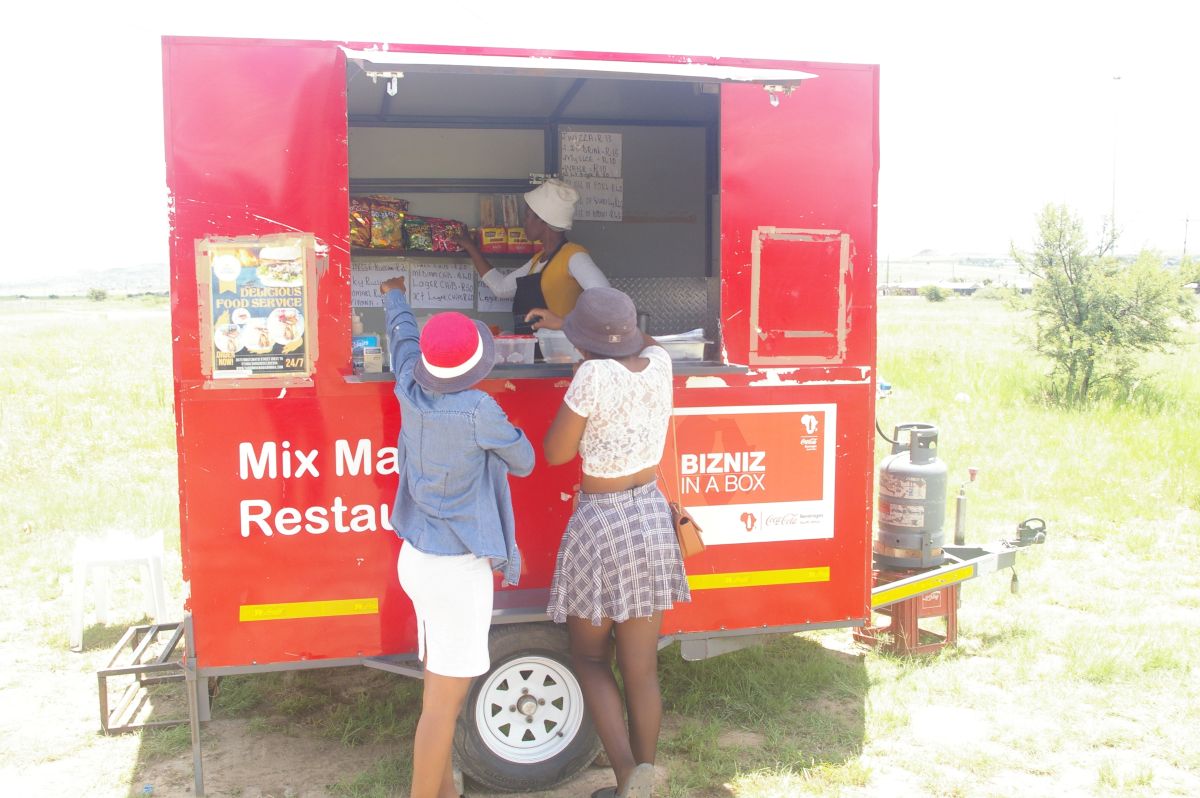
PRETORIA — South Africa’s informal retail sector is undergoing a massive regulatory and financial transformation, but systemic municipal bottlenecks are slowing down the rollout of capital.
In a joint update released from Pretoria on May 29, 2026, the Department of Small Business Development (DSBD) and the Small Enterprise Development and Finance Agency (SEDFA) announced that approximately R179.6 million has been approved so far under the government’s R500 million Spaza Shop Support Fund.
While the fund maintains a 100% approval rate for fully compliant applicants, a deep dive into the numbers reveals a stark reality: structural issues and a rigid municipal licensing environment are preventing thousands of informal traders from accessing government capital.
The Genesis of Reform: From Crisis to Compliance
The Spaza Shop Support Fund is a joint initiative led by the DSBD and the Department of Trade, Industry and Competition (the dtic). It is being executed on the ground by SEDFA and the National Empowerment Fund (NEF).
The initiative traces back to November 2024, when President Cyril Ramaphosa announced strict interventions to regulate, formalise, and improve compliance within the spaza shop sector. The directive came in response to heightened public health anxieties regarding food safety, illicit trade, and food-borne illnesses, which led to the creation of the Ministerial Multi-Disciplinary Committee on Food-Borne Illnesses and Illicit Trade.
What followed was a massive nationwide registration drive that closed on February 28, 2025. Local municipalities initially reported an impressive 82,000 registered spaza shops across South Africa. However, subsequent data verification trimmed that number down to 44,696 confirmed businesses.
More telling is that out of those verified businesses, only about 15,000 have successfully secured approved trading permits or licences.
The Crucial Distinction: Government officials emphasize that registration does not equate to licensing. To unlock funding and achieve full legal compliance, spaza shop owners must secure formal trading permits through their local municipalities.
The Bureaucratic Bottleneck
This massive gap between registration and licensing exposes severe structural friction within local government systems. According to the DSBD, the transition to a formalised sector is being choked by:
- Significant municipal backlogs driven by outdated manual processes.
- A severe shortage of Environmental Health Practitioners required to inspect premises and issue vital Certificates of Acceptability.
- Complex zoning requirements and high compliance costs that deter informal traders.
- Verification challenges, including ownership discrepancies and non-operational “ghost” businesses.
To keep the fund moving, the government is currently working alongside municipalities to push for conditional licensing, scale up digital and electronic licensing systems, and smooth out intergovernmental red tape.
By the Numbers: Funding and Allocation
Despite these hurdles, the fund is actively injecting capital into communities. To date, 4,522 complete applications have been received, with 4,240 already assessed.
The data confirms the compliance bottleneck: only 58% of assessed applicants could be linked to a valid business licence or temporary municipal permit, leaving a significant portion of applications frozen in the pipeline.
Furthermore, strict site visits and verification checks flagged 354 applications that were disqualified due to non-compliance, non-existent operations, or ownership mismatches.
Agency Approval Breakdown
For those who cleared the compliance hurdles, the funding has been split across two primary implementing agencies:
| Implementing Agency | Approved Applications | Total Value Allocated |
| SEDFA | 1,316 applications | R79.6 million |
| National Empowerment Fund (NEF) | 1,053 enterprises | R99.9 million |
| Total Combined Support | 2,369 businesses | R179.6 million |
This capital is being deployed across all nine provinces to fund critical business needs, including stock purchases, point-of-sale (POS) devices, infrastructure upgrades, inventory support, and non-financial business development training.
Driving Transformation and Safeguarding Local Ownership
From an economic transformation perspective, the fund is hitting key demographic targets to ensure a more inclusive township economy. Of the approved enterprises:
- 43% are women-owned businesses.
- 18% are youth-owned businesses.
- 2% are owned by persons with disabilities.
Crucially, the fund is explicitly reserved for South African-owned spaza shops. Officials reiterated that rigorous due diligence and verification measures are firmly in place to detect and mitigate risks such as “fronting” and system abuse. Only local entrepreneurs who meet strict operational, ownership, and valid licensing criteria are given the green light.
Looking Ahead: The June Outreach Push
The government views this fund not merely as a financial stopgap, but as a long-term economic sustainability project. Alongside capital, SEDFA and the NEF are providing ongoing training in financial management, digital literacy, credit management, and regulatory compliance.
Recognizing that thousands of traders remain stuck in the pre-compliance phase, the implementing agencies announced they will embark on a nationwide outreach and awareness programme starting in June 2026. This initiative will aim to find qualifying spaza shop owners, walk them through the compliance maze, and help them secure the documentation needed to access their share of the remaining R320-plus million pool.