 By
By 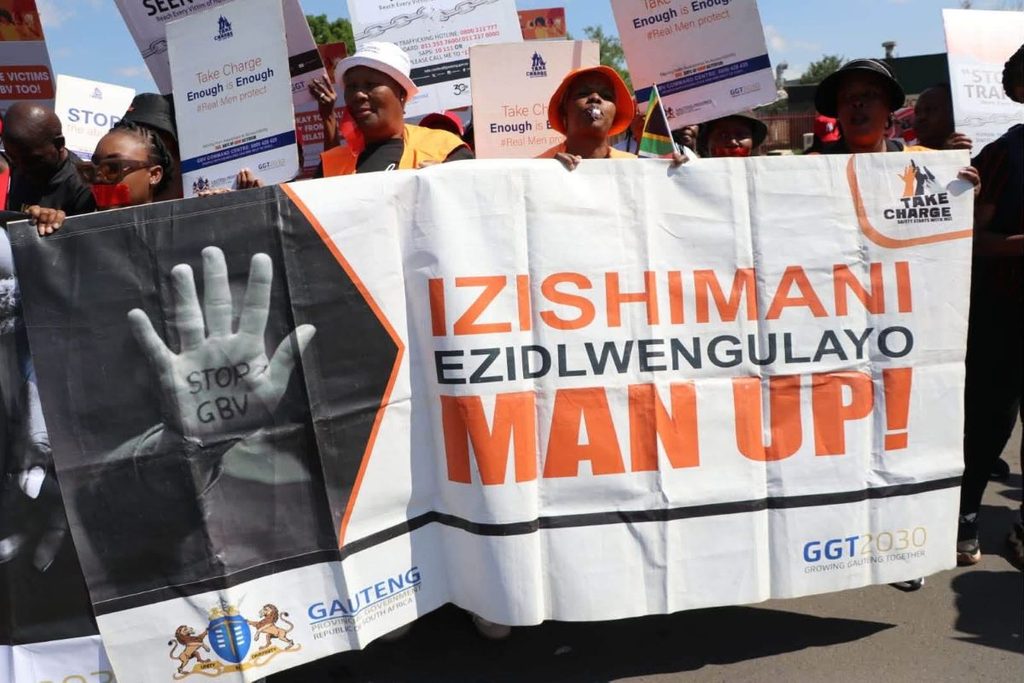
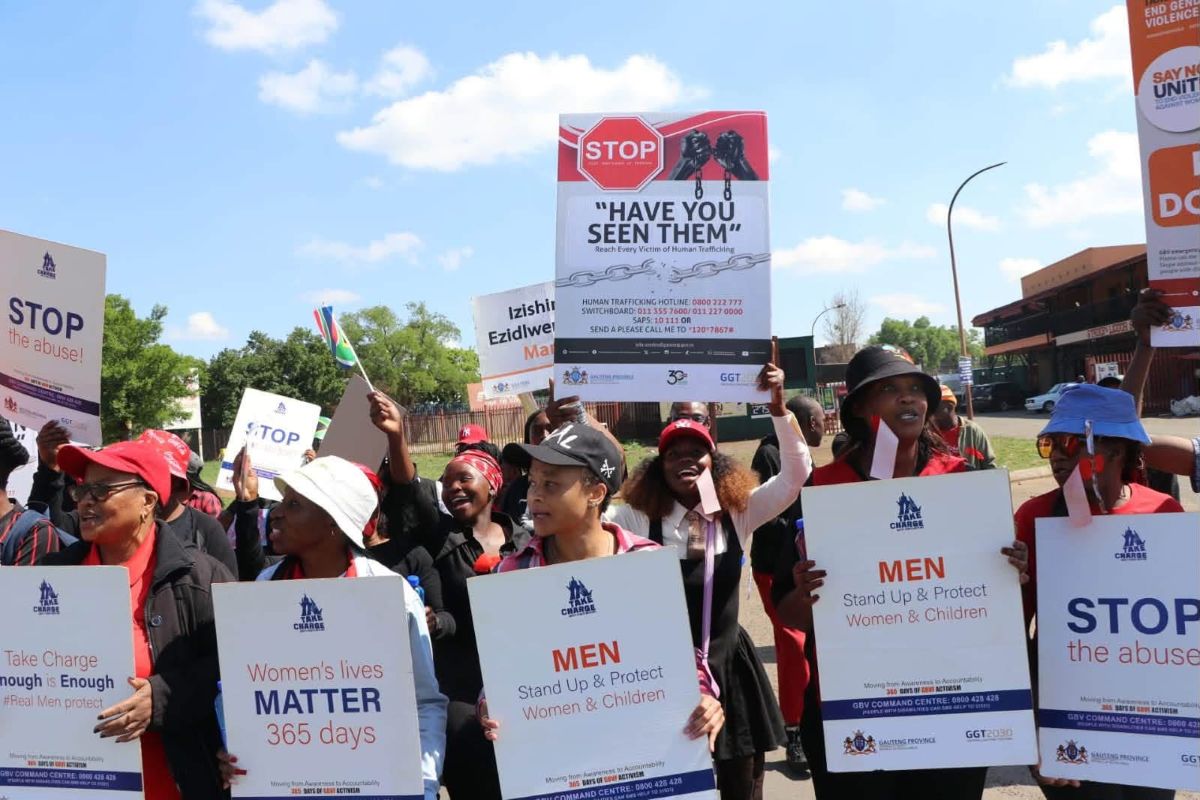
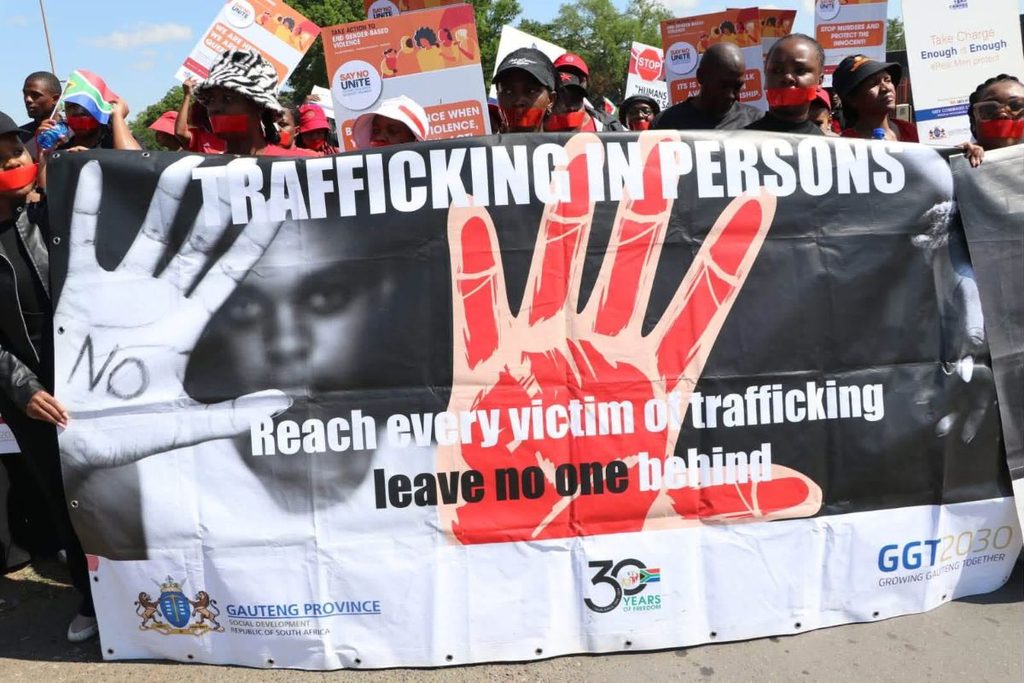
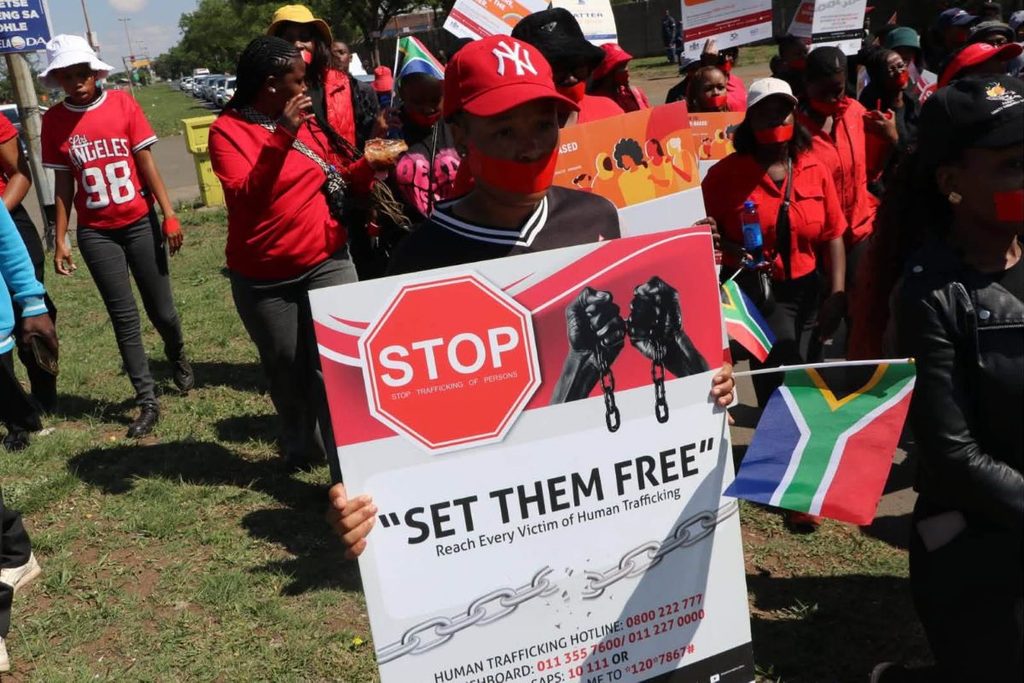
BOIPATONG — Human trafficking thrives in secrecy, preying on desperation, poverty, and false promises of a better life. In response to this rising threat, the Gauteng Department of Social Development recently intensified its province-wide counter-trafficking efforts, bringing the Provincial Trafficking in Persons Awareness Campaign directly to the community of Boipatong in Sedibeng.
The campaign serves as a critical wake-up call for communities across the province, emphasizing that an informed and vigilant public remains one of the strongest lines of defence against organized exploitation.
The Anatomy of Modern Exploitation
Human trafficking involves the recruitment, transportation, or control of individuals specifically for the purpose of exploitation. Traffickers frequently target vulnerable populations—particularly the unemployed, youth, and women—by dangling seemingly attractive opportunities such as overseas employment, better income, travel, or modelling gigs.
Compounding the crisis, perpetrators increasingly utilize social media and digital platforms to identify, groom, and entrap unsuspecting victims. Gauteng MEC for Social Development Nomantu Nkomo-Ralehoko warned that what often glimmers as a life-changing opportunity is actually a carefully planned trap.
“Human trafficking thrives in secrecy, and this is why an informed and vigilant community is one of our strongest lines of defence,” MEC Nkomo-Ralehoko stated during the outreach. “We must ensure that our children, young people, women and other vulnerable members of society understand that what may appear to be an opportunity can sometimes be a carefully planned trap.”
A Survivor’s Gripping Reality
The abstract threat of trafficking was brought into stark, painful focus through the testimony of survivor Thabo Molote (not his real name). Molote shared how he was approached when he was young and unemployed, lured by promises of lucrative work overseas.
“I was young and unemployed and when they promised me that I would be working overseas and earn a better income, I was excited, thinking that now I will take my family out of poverty,” Molote recalled.
Instead of escaping hardship, he walked straight into a nightmare. Stripped of his freedom, Molote found himself under total control, enduring gruelling round-the-clock labour, unfamiliar food, and 24/7 armed guarding with zero communication channels back home to his family. His harrowing experience underscores why survivors are now pleading with communities to protect one another and scrutinize recruitment offers.
Law Enforcement Realities: The Threat Within
Echoing the call for vigilance, Captain Lefa Lebitso of the Hawks addressed residents regarding the operational tactics of traffickers. Crucially, Captain Lebitso warned that victims are frequently targeted by individuals they know intimately.
“You can even be trafficked by a person that you know, a person that is close to your family,” Captain Lebitso cautioned, urging residents to maintain open communication, share information, and collaborate closely with law enforcement and social development stakeholders.
A Comprehensive Framework for Protection
MEC Nkomo-Ralehoko emphasized that the government’s strategic response extends far beyond temporary awareness campaigns. The department is actively embedding prevention, protection, and psychosocial support structures through robust partnerships with civil society organizations.
“As Social Development, we have a responsibility to reach vulnerable people before traffickers do,” MEC Nkomo-Ralehoko noted. “We must strengthen families and communities, support survivors and ensure that people know where to seek help. Awareness must be accompanied by access to services and practical support.”
Warning Signs and How to Report
To safeguard communities, the Department of Social Development outlined key indicators that should immediately raise alarm bells:
- Suspicious or too-good-to-be-true employment offers.
- Children or vulnerable individuals suddenly and inexplicably disappearing.
- Situations where an individual’s physical movement, identity documents, money, or communication are strictly controlled by another person.
Authorities have issued a stern warning: members of the public must never confront suspected traffickers independently. Instead, concerns should be immediately channelled to law enforcement or dedicated social development support services.
For assistance or to report suspicious activity, community members can utilize the provincial hotline at 0860 428 8364.