 By
By JOHANNESBURG — In an economic landscape where consumer spending remains constrained, a single weekend in September 2026 provided a master-class in how strategic mega-events can rewrite the rules of regional growth.

Attracting an estimated 195,000 attendees, Gauteng’s blockbuster alignment of music, elite sport, and global exhibitions demonstrated that the visitor economy is no longer a peripheral nice-to-have, but a core driver of GDP, employment, and international visibility.
A Multi-Sectoral Economic Windfall
The province’s recent “Golden Weekend” wasn’t merely a succession of crowded venues; it was an integrated economic shockwave felt across diverse sectors. Anchoring the weekend were three massive draws:
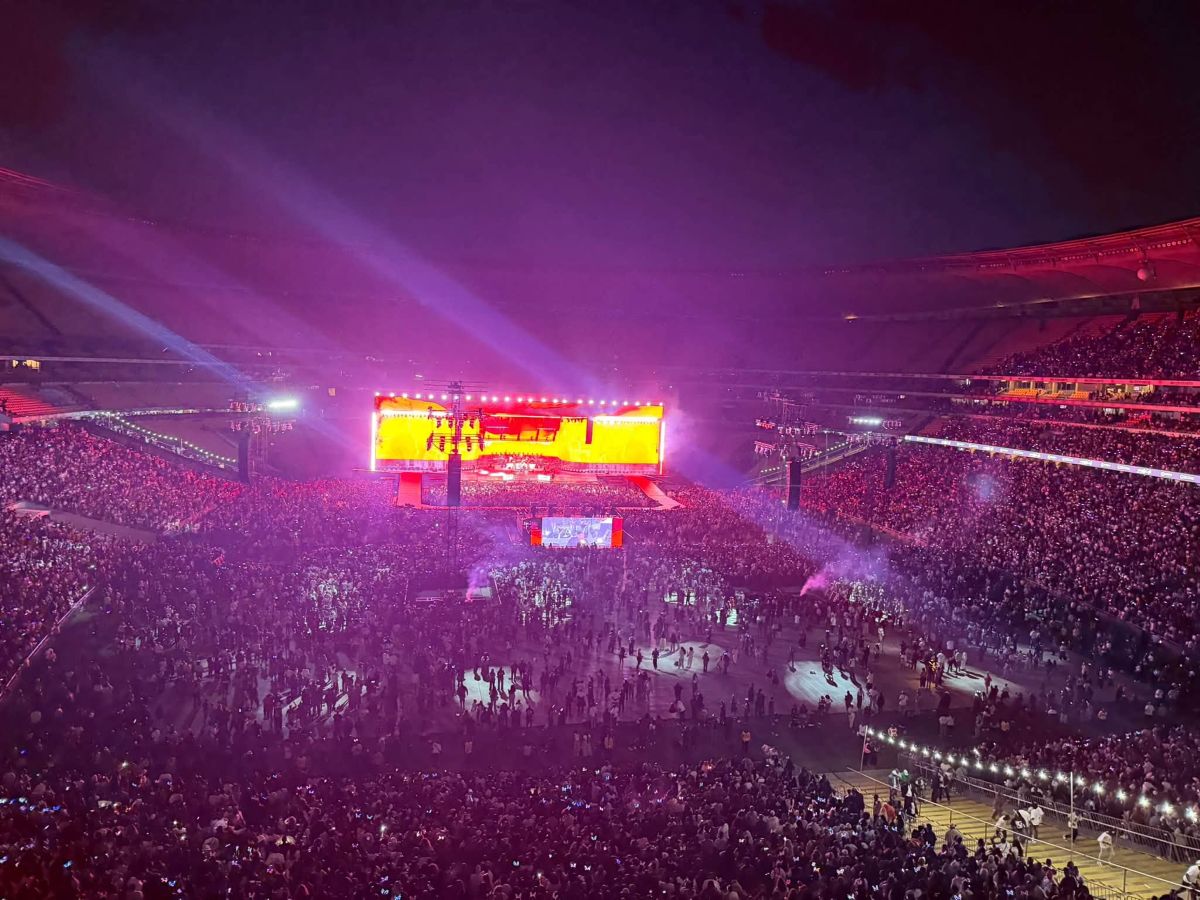
- Scorpion Kings Live at the FNB Stadium, which drew over 70,000 music fans.
- The Africa Aerospace and Defence Expo (AAD 2026), pulling an estimated 80,000 visitors.
- The FIFA Intercontinental Cup clash between Mamelodi Sundowns and Al Ahli Saudi at a near-capacity Loftus Versfeld Stadium.
The localized financial impact of these gatherings was profound. The Scorpion Kings Live experience alone generated an estimated R150 million in direct event revenue, while catalysing a further R49 million injection into the local economy through hospitality, transport, retail, food, and merchandise.
Crucially, the value chain supported over 2,300 jobs, providing vital income streams for small-to-medium enterprises and informal traders alike.
Beyond live entertainment, AAD 2026 showcased Gauteng’s muscular capability as a premier destination for business events and global exhibitions, proving that the province can simultaneously manage complex trade infrastructure, high-tier sports tourism, and massive cultural happenings.
Cultural Capital and Commercial Mastery
From an economic perspective, events like Scorpion Kings Live do more than sell tickets—they monetize cultural hegemony. As the undisputed global birthplace and creative engine of Amapiano, Gauteng leveraged the concert to anchor its commercial dominance over an exportable cultural asset.
What unfolded at FNB Stadium transcended a typical music gig; it operated as a major international brand activation, reinforcing the province’s global creative footprint.
At the same time, Mamelodi Sundowns’ high-stakes international football victory beamed Gauteng’s sporting infrastructure and global readiness across millions of international screens, yielding invaluable destination marketing that traditional advertising budgets simply cannot buy.
Infrastructure, Strategy, and Momentum
The structural success of this mega-weekend validates the Gauteng Provincial Government’s deliberate strategy of investing in high-impact events to stimulate destination competitiveness. In an environment where domestic travellers face financial headwinds, curated quality events act as a powerful catalyst—compelling tourists to travel, stay longer, and spend more.
This friction-free visitor experience relies heavily on integrated urban planning. Gauteng’s public mobility backbone—anchored by the Gautrain, municipal transport networks, and e-hailing partnerships—ensured seamless transit between airports, hotels, business districts, and packed stadiums.
Looking Ahead
Rather than a fleeting spike, this weekend serves as a baseline for ongoing economic momentum. The events pipeline rolls directly into the following week with the arrival of Comic Con Africa 2026 (projected to draw over 70,000 visitors), the Standard Bank Joy of Jazz, and Marble Circus.
For economists and policymakers alike, Gauteng’s strategy offers a clear blueprint: by aligning cultural assets, state-of-the-art infrastructure, and targeted event investments, a region can successfully convert crowds into a sustained economic powerhouse.