 By
By As South Africa navigates a testing macroeconomic climate marked by tighter monetary policy and infrastructural strain, provincial authorities in Gauteng are charting a rigorous path toward fiscal integrity.
In a synchronized push on 6 October 2026, the Gauteng Provincial Government rolled out sweeping measures to anchor public finance leadership in social impact, while simultaneously enforcing strict municipal audit readiness to rebuild public trust.
Macroeconomic Headwinds and the Human Cost of Public Spending
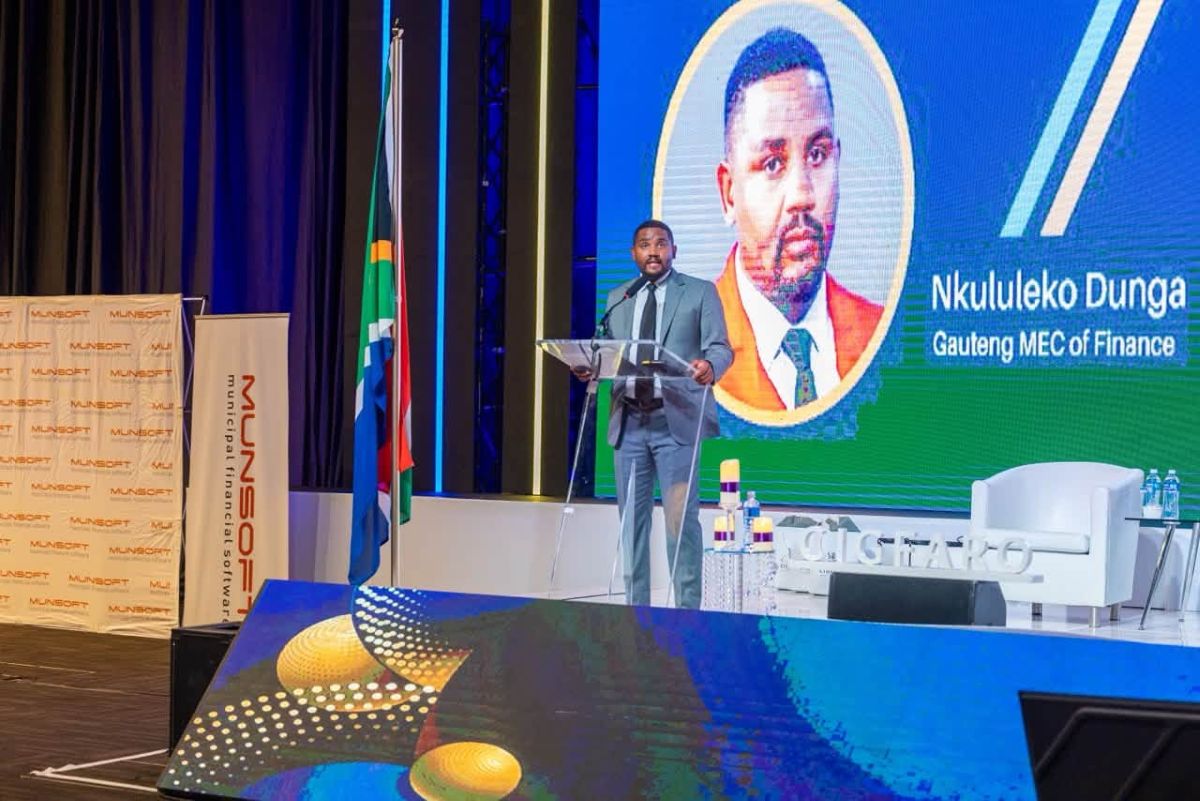
Addressing the 97th Annual Conference of the Chartered Institute of Government Finance, Audit and Risk Officers (CIGFARO), Gauteng MEC for Finance Nkululeko Dunga laid bare the harsh realities confronting public sector balance sheets.
Against a backdrop of a repo rate hike to 7.25%, soaring unemployment alongside 3.6 million discouraged workers, and fuel prices surging past R30 per litre, MEC Dunga emphasized that fiscal decisions can no longer be treated as isolated mathematical exercises.
Crucially, the MEC anchored macroeconomic policy to human security, pointing out that gender-based violence (GBV) directly impacts public budgets through the necessary funding of shelters, safe public transport, and victim support centres. He issued a stern call for financial officials to ensure every rand allocated for the protection of women and children is disbursed fully and on time.
Honouring whistle-blowers and finance officials who paid the ultimate price—including Babita Deokaran, Mpho Mafole, Simnikiwe Mapini, and Martha Mani Rantsofu—MEC Dunga underscored the perilous cost of defending public integrity, noting with concern that Deokaran’s family is still awaiting her pension over five years after her assassination.
Three Pillars of Structural Reform
To combat systemic inefficiencies and infrastructure deficits—such as the near-collapse of over half the nation’s municipal wastewater treatment systems—MEC Dunga advanced three vital economic proposals:
- Disciplined Public-Private Partnerships (PPPs): The state must proactively define projects, own underlying assets, control service pricing, and retain full-lifecycle contract management capacity, preventing arrangements where taxpayers shoulder all risks while private entities capture profits.
- Insourcing Recurring Services: Closing the permanent fiscal leakage of outsourcing ongoing services like hospital cleaning, waste collection, and security through phased transitions as contracts expire.
- Decentralized Re-industrialization: Shifting manufacturing hubs directly into townships, secondary cities, and rural nodes by aligning state procurement power, development finance institutions, and technical colleges with local industrial needs.
Enforcing Accountability: The New Interim Financial Statement Protocol
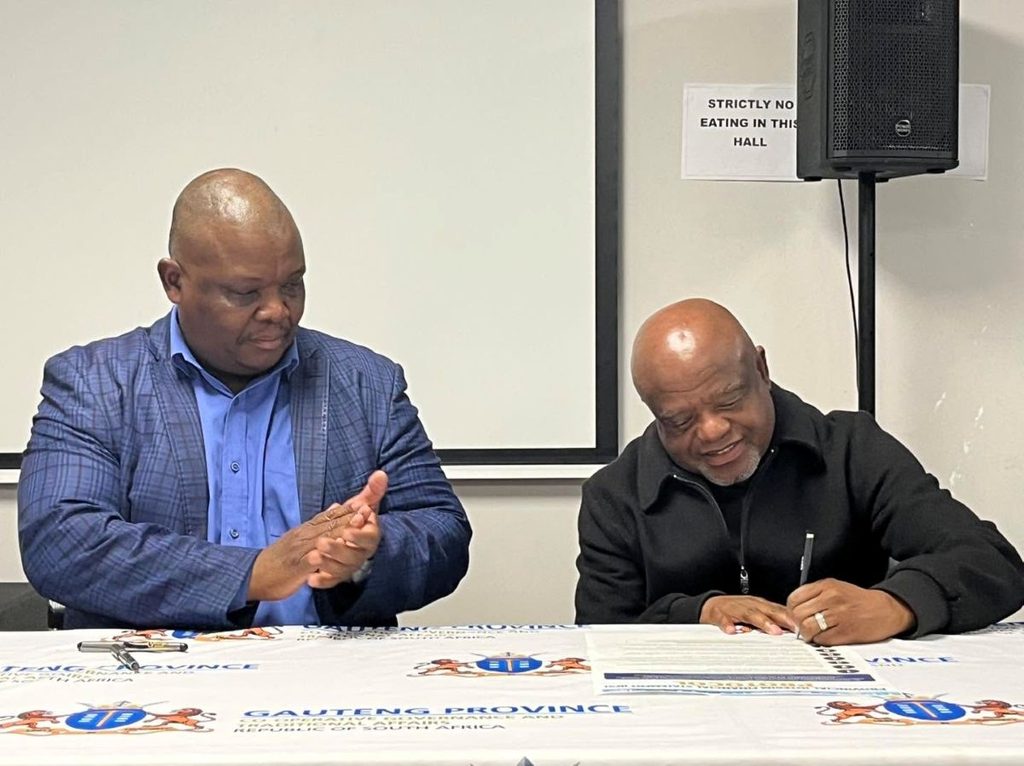
Complementing the Treasury’s macro-strategy, the Gauteng Department of Cooperative Governance and Traditional Affairs (CoGTA), in collaboration with the Auditor-General South Africa (AGSA), launched the Provincial Interim Financial Statement (IFS) Protocol at the Brixton Multi-Purpose Centre.
Hosted under the banner of continuous audit readiness, MEC for CoGTA Jacob Mamabolo stressed that the protocol extends far beyond mere compliance. “This protocol is not just about achieving clean audits. It is critical to building the sustainability, credibility and integrity of our institutions,” MEC Mamabolo stated, emphasizing the ultimate goal of restoring public confidence ahead of the upcoming local government elections on 4 November.
The newly established protocol creates a structured, coordinated framework to:
- Pre-Audit Correction: Review interim financial statements early to identify and rectify reporting deficiencies before submitting Annual Financial Statements.
- Defined Responsibilities: Formally map out roles for CoGTA, Provincial Treasury, municipalities, and AGSA regarding information sharing, regular reconciliations, and the resolution of recurring audit findings.
- Operational Integrity: Ensure reliable supporting records are maintained to turn administrative box-ticking into tangible municipal delivery—manifesting as clean water, working streetlights, and regular refuse removal.
Conclusion: Aligning Ledgers with Livelihoods
As Gauteng positions itself at the forefront of local governance reform, the dual interventions led by MEC Dunga and MEC Mamabolo signal a definitive shift in South African public administration. By bridging macroeconomic resilience with grassroots accountability, the province is driving home a singular message: the true measure of public finance leadership is not found in the books themselves, but in the measurable improvements they bring to the daily lives of citizens.