
 By
By 
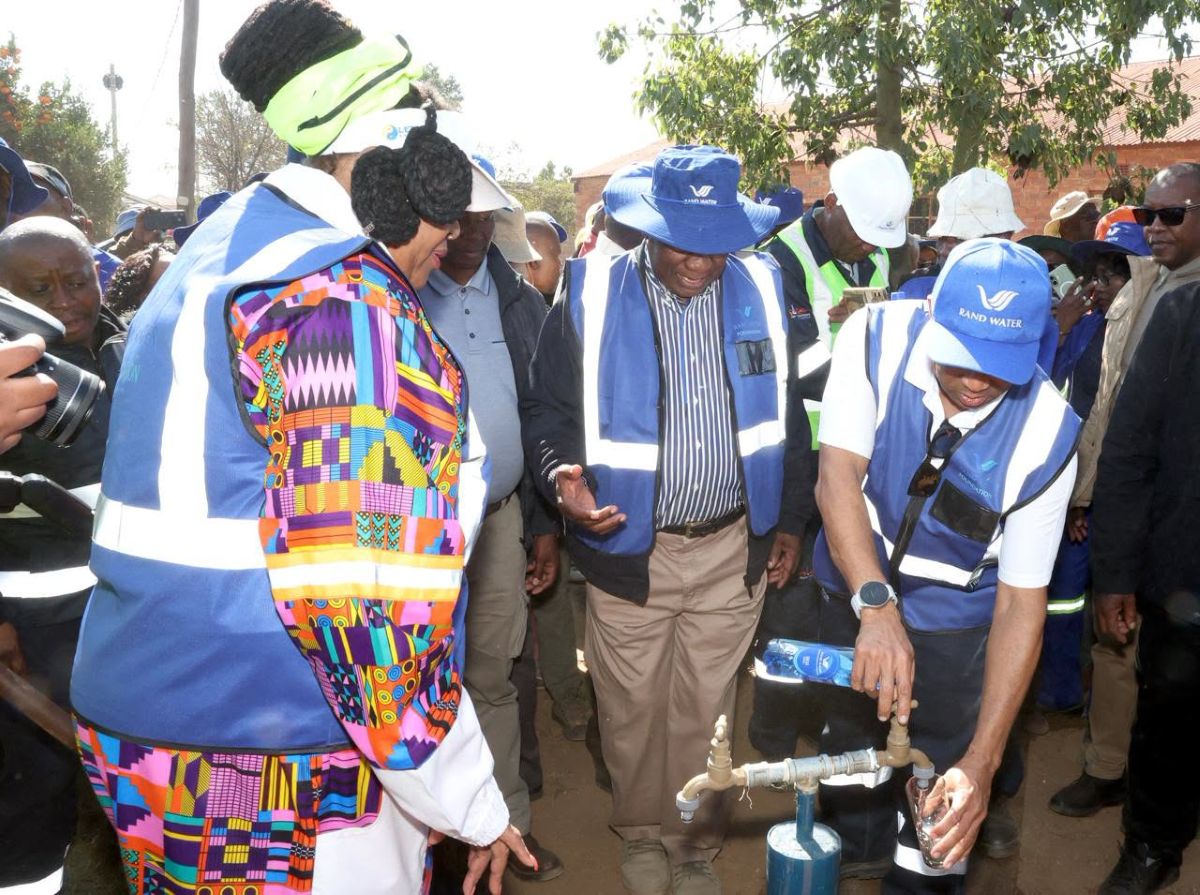
The Gauteng Provincial Government confirmed that water supply systems across the province are steadily recovering following the completion of Rand Water’s second phase planned maintenance.
While official reports highlight improving reservoir levels and steady stabilization, the brief period of disruption—compounded by local municipal vulnerabilities and power outages—serves as a stark reminder of a growing macro-economic hazard: the economic fragility induced by water instability.
While Gauteng remains South Africa’s financial power plant, accounting for over a third of the nation’s gross domestic product (GDP), its economic machinery is inextricably tied to a reliable water supply. When taps run dry—even temporarily for routine maintenance—the economic costs reverberate far beyond domestic inconvenience.
The Compounding Crises: Infrastructure, Power, and Water
The recent recovery effort underlines how vulnerable regional economies are to systemic, overlapping infrastructure failures. In the City of Johannesburg, for instance, the impact of planned water maintenance was significantly amplified by an unplanned City Power outage at the Eikenhof substation. This dual failure delayed reservoir refilling and slowed system restoration, illustrating a critical economic issue: infrastructure interdependence.
Without electrical power, water cannot be pumped; without water, industrial processes halt, commercial operations freeze, and public health costs surge. The delayed recovery in higher-lying municipal areas—such as those seen in Mogale City and Ekurhuleni—creates targeted geographic bottlenecks where local businesses face severe operational downtime.
The Economic Price of Water Insecurity
A lack of reliable water supply inflicts deep structural damage on the broader economy across several primary channels:
1. Direct Industrial and Commercial Productivity Losses
Modern economies rely on water for manufacturing, cooling, sanitation, food processing, and chemical production. When supply drops or pressure collapses:
- Manufacturing and Mining: Factories must either throttle production or shut down lines completely to prevent equipment damage.
- Small and Medium Enterprises (SMEs): Businesses in the service sector—restaurants, laundromats, hotels, and hair salons—lose daily revenue with no safety net, forcing some into insolvency.
- Agriculture and Supply Chains: Agricultural processing near urban centres suffers immediate delays, jeopardizing local food security and inflating food prices.
2. Deterioration of Investor Confidence
Capital flows toward reliability. Prolonged or frequent infrastructure breakdowns act as an indirect tax on doing business. Foreign and domestic investors reassess country risk when basic utilities like power and water cannot be guaranteed, opting instead to allocate capital into more stable emerging markets.
3. Municipal Fiscal Drain and Resource Diversion
When piped water networks fail, emergency interventions—such as deploying water tankers to affected communities—divert limited public funds away from long-term capital investments and into costly short-term relief. Furthermore, extended water interruptions reduce municipal billing revenues, shrinking local budgets necessary for essential service maintenance and urban upgrading.
4. Human Capital and Workforce Productivity Impacts
Water scarcity forces employees and households to spend valuable time securing basic water needs, leading to increased absenteeism, reduced workplace concentration, and heightened public health risks. Decreased workforce output directly depresses overall labour productivity across all market sectors.
Path Forward: Building Economic Resilience Through Water Security

The successful completion of Rand Water’s maintenance phase is a necessary step toward long-term asset preservation. However, as Gauteng’s water systems gradually refill and stabilize, policy makers and municipal authorities must treat water security not merely as a service delivery issue, but as a core pillar of economic strategy.
To safeguard future growth, South Africa must prioritize:
- Grid Resilience: Securing power supply to critical water infrastructure (like pumping stations) against unplanned power outages.
- Accelerated Pipeline Replacement: Reducing high non-revenue water losses caused by physical leaks before water reaches end users.
- Diversified Financing: Partnering with private sector capital to modernize aging water treatment and distribution networks.
As municipal water systems across Gauteng recover, the key takeaway for policy makers is clear: economic prosperity cannot outpace the capacity of basic infrastructure. Ensuring an uninterrupted flow of water is fundamentally about preserving the financial viability of South Africa’s economic heartland.