
 By
By 
Johannesburg — Gauteng’s public transport economy faces a minor logistical hurdle as the provincial government warns that over 400 valid operating licences are at risk of immediate cancellation due to an ongoing failure by operators to collect their approved documentation.
The Gauteng Department of Roads and Transport issued a final appeal to transport operators—particularly those in the vital minibus taxi and scholar transport sectors—urging them to retrieve their operating licences before a hard deadline of Friday, 14 August 2026. Failure to comply within this timeframe will result in the formal cancellation of these issued permits.
Impacted operators will then be forced to restart the entire application framework from scratch under prevailing statutory guidelines, introducing fresh administrative frictions and operational risks to their businesses.
This development comes amidst an aggressive administrative turnaround strategy executed by provincial authorities. Since November 2025, the department has prioritized streamlining internal operations and boosting administrative efficiency to aggressively shrink the historic backlog in permit issuances.
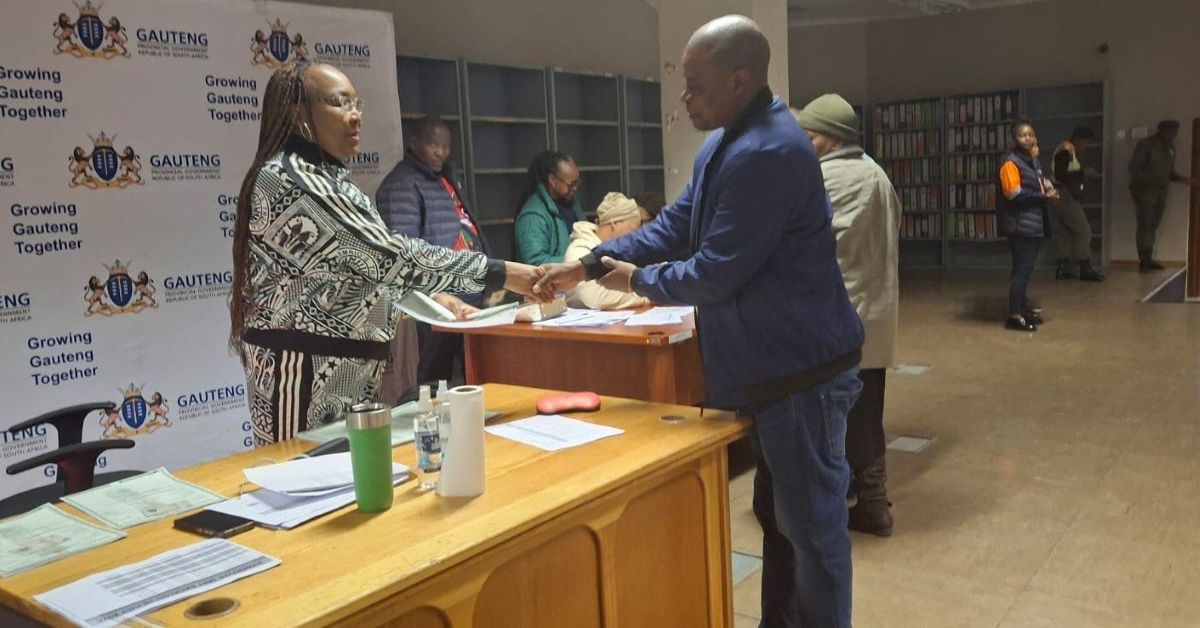
This structural push has yielded substantial economic regularisation: more than 2,000 valid operating licences have been successfully handed over to compliant public transport entities over the last eight months.

Gauteng MEC for Roads and Transport, Kedibone Diale-Tlabela, emphasized that the regulatory campaign is a pillar for local economic stability and commuter safety. “We are encouraging them to collect their operating licences without delay, so they can continue to operate legally and contribute to safer roads across Gauteng,” Diale-Tlabela noted, reinforcing that operating permissions are foundational to a well-regulated, predictable, and sustainable provincial transport network.
The economic stakes remain exceptionally high. The minibus taxi and scholar transport sectors are primary logistical arteries sustaining Gauteng’s workforce and consumer mobility. Operating without verified documentation exposes operators to severe law enforcement penalties, threatening small business continuity and regional supply chains.
To mitigate the communication breakdown, the department has proactively dispatched notifications via SMS channels and directly through various local taxi and transport associations. Operators who have received these notifications are urged to proceed immediately to regional offices, such as the Derek Masoek Regional Office in Johannesburg, which recently processed 208 licences in a single day, proving that operational bottlenecks have effectively shifted from the state’s processing desks to the operators’ end.