
 By
By 
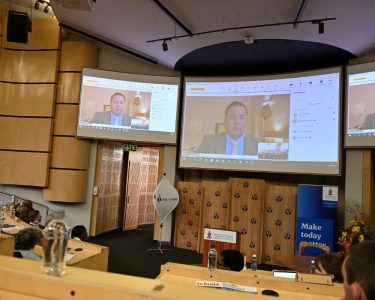
WASHINGTON, D.C. — A high-level South African government delegation has formally mounted a defence against potential American trade penalties, testifying at a high-stakes public hearing hosted by the Office of the US Trade Representative (USTR).
The hearing, held on July 9, 2026, is part of a sweeping US Section 301 investigation into the acts, policies, and practices of 60 global economies regarding their alleged failure to effectively prohibit and enforce bans on goods produced with forced labour.
Led by the Department of Trade, Industry and Competition (the dtic), the South African delegation—which included representatives from the Department of Employment and Labour, the International Trade Administration Commission (ITAC), and the South African Embassy in Washington—presented oral testimony aiming to decouple the nation from impending US economic sanctions.
A Robust Legal Framework
During the testimony, South Africa firmly rejected the notion that its enforcement mechanisms are lacking. The delegation argued that the country maintains a stringent domestic legal framework that strictly prohibits forced labour, backed by the ratification of all relevant International Labour Organization (ILO) fundamental conventions.
South African officials detailed the specific statutory levers Pretoria can pull to intercept illicit supply chains:
- The International Trade Administration Act: Empowers the National Executive to strictly control or outright prohibit the importation of designated classes of goods.
- The Customs and Excise Act: Grants the South African Revenue Service (SARS) sweeping powers to stop, detain, and seize prohibited goods at the border.
- Section 113 of the Customs Act: Already explicitly bans the importation of any products manufactured through prison labour.
By highlighting these mechanisms, the delegation underscored that South Africa possesses both the legislative teeth and the administrative infrastructure required to police its borders against forced labour inputs.
Pushing for Blanket or Sectoral Exemptions
Given its existing compliance and legal frameworks, South Africa has formally requested that the United States exempt it entirely from a proposed 12.5% punitive tariff. The tariff is aimed at nations deemed to have failed in their enforcement duties regarding forced labour import bans.
Should a blanket exemption fail to materialize, Pretoria put forward an alternative, sector-specific proposal. The delegation requested that South Africa’s primary export lines to the US be insulated from any tariff actions, citing a total absence of evidence linking these sectors to forced labour practices.
The targeted exemptions cover vital segments of South Africa’s export economy, including:
- Platinum-group and precious metals
- Automobiles and components
- Catamarans and maritime vessels
- Agricultural goods (including citrus, wine, nuts, and seafood)

Economic Stakes and the Broader Trade Agenda
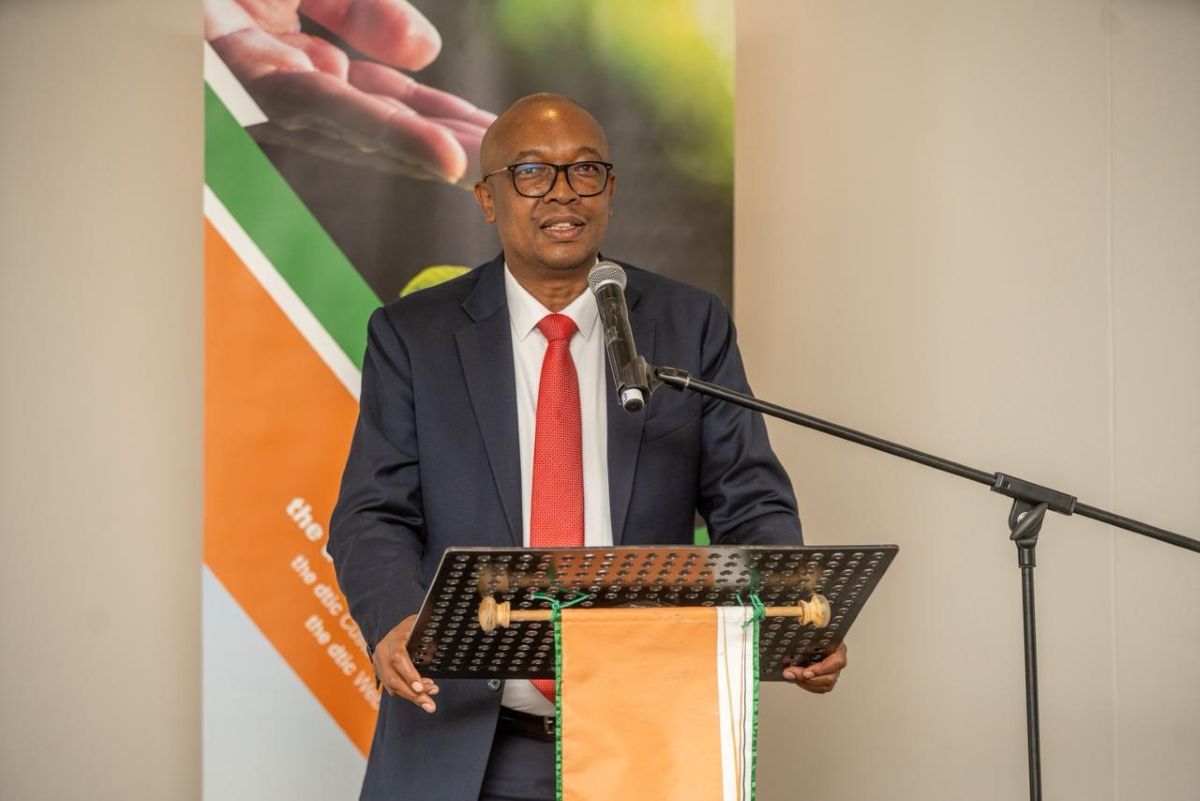
The urgency of the Washington delegation underscores the critical nature of the US-South Africa economic corridor. According to South Africa’s Minister of Trade, Industry and Competition, Parks Tau, the United States remains an indispensable trading partner and a premier destination for South African value-added exports.
The Section 301 investigation arrives at a delicate time for bilateral trade relations. Minister Tau noted that Pretoria is actively managing a complex, multi-front trade agenda with Washington. Beyond the forced labour probe, the government is continuously engaging the US on:
- The upcoming renewal of the African Growth and Opportunity Act (AGOA), which grants eligible Sub-Saharan nations duty-free access to the US market.
- Ongoing disputes surrounding Section 232 tariffs, which continue to impact South African steel, aluminium, and automotive exports.
Next Steps
The window for legal and economic manoeuvring remains tight. The USTR has set a deadline of July 16, 2026, for stakeholders to submit post-hearing rebuttals and supplementary evidence.
The South African government, alongside affected industry groups, is expected to utilize the remaining days to solidify its written submissions, aiming to protect billions of rands in export revenue from the looming 12.5% tariff wall.