
 By
By 
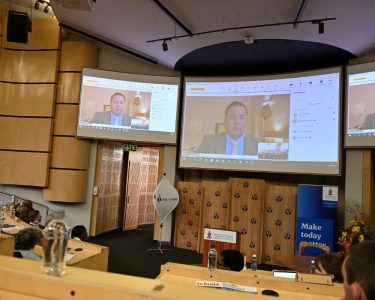
South Africa’s Special Economic Zones (SEZ) programme stands at a pivotal juncture. Minister of Trade, Industry and Competition (the dtic), Mr. Parks Tau, recently expressed strong optimism following a comprehensive World Bank study, which asserts that South Africa possesses the requisite infrastructure, legal framework, and institutional capacity to elevate its SEZ programme to world-class status.
The study, which provides a rigorous analysis of all 12 SEZs nationwide, incorporates administrative data from the Department of Trade, Industry and Competition, the National Treasury, and the South African Revenue Service. By benchmarking against international models from nations such as fellow BRICS member states like India and China, including Poland, the United Arab Emirates, and Jordan, the report offers a strategic roadmap to optimize the country’s spatial industrial development.
Demonstrable Impact and Economic Potential
The economic footprint of the programme is already substantial. Operational SEZs have generated R14.8 billion in revenue and facilitated the creation of over 30,000 jobs. For Minister Tau, these figures are not merely statistics; they represent tangible evidence of the programme’s capacity to drive industrialization, economic transformation, and growth.
However, the World Bank study does not merely commend past success; it identifies specific levers for improvement. These findings are set to be integrated into the Revised Special Economic Zones Implementation Model, a core component of the government’s broader Spatial Industrial Development Strategy.
Key Strategic Recommendations
To unlock the next phase of growth, the study proposes several critical interventions:
- Fiscal and Framework Adjustments: The report advocates for extending a 15% Corporate Income Tax rate across all SEZs and formalizing a five-year intervention framework to support underperforming zones.
- Operational and Structural Efficiency: Recommendations include formalizing municipal service-level agreements and establishing a dedicated Special Economic Zones Fund with distinct pathways for infrastructure and top-structure development.
- Private Sector Integration and SME Support: The study suggests designating private-sector industrial parks within existing zones, utilizing the successful Dube TradePort model, while accelerating the development of build-to-let mixed-use complexes to lower barriers to entry for small and medium enterprises (SMEs).
A Proactive Policy Outlook
The government has signalled its intent to waste no time in executing these recommendations. Minister Tau confirmed that several interventions aligned with the study have already been prioritized for the current financial year.
“These are going to result in more SEZs being designated, more investments flowing into the SEZs, more jobs being created, and more small businesses being created in and around the SEZs,” said Tau. By aligning local execution with global best practices, South Africa aims to solidify its SEZs as premier destinations for domestic and foreign investment.
What specific legislative amendments or budgetary adjustments do you believe are most critical to successfully implementing the proposed 15% Corporate Income Tax extension across all SEZs?