
 By
By 
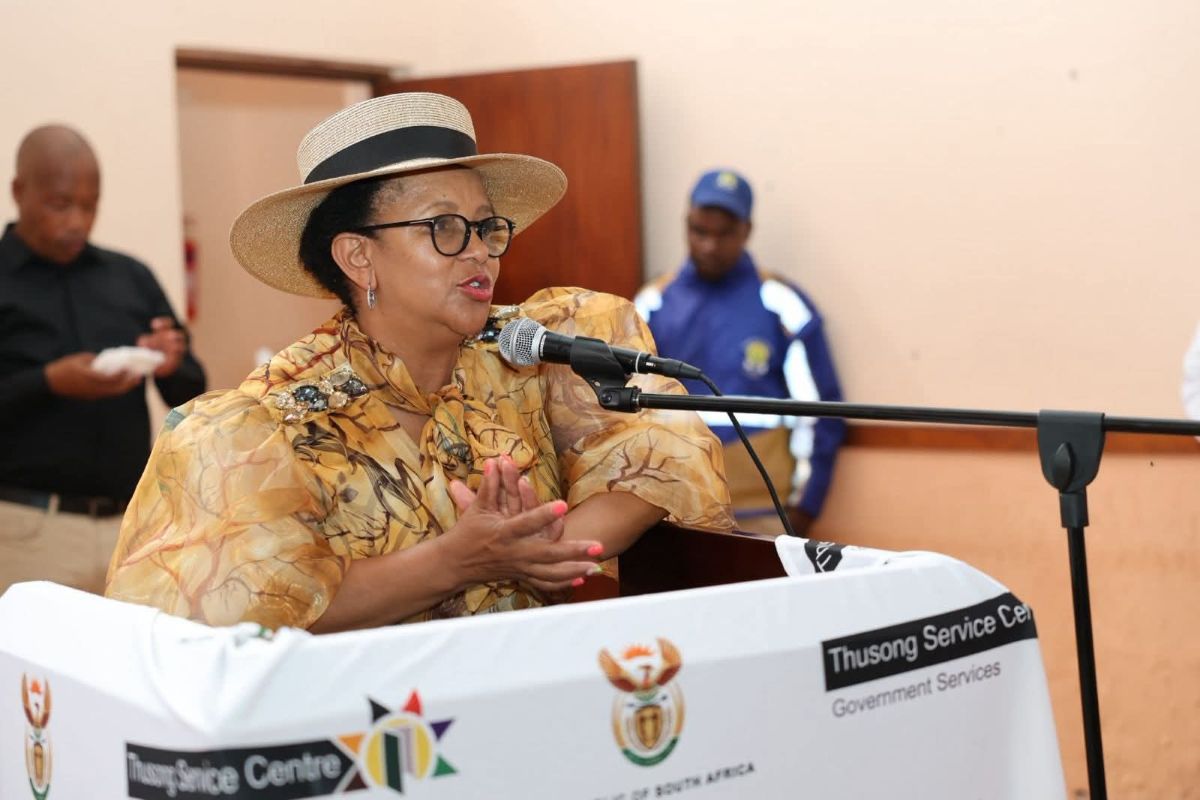
As South Africa prepares to mark the historic 50th anniversary of the June 16, 1976 youth uprisings, the Free State provincial administration is positioning the milestone not merely as an exercise in historical nostalgia, but as a critical socio-economic inflection point. Confronted by a staggering youth unemployment rate exceeding 40 percent , Premier Maqueen Letsoha-Mathae has pledged a definitive shift toward structured economic enfranchisement for the province’s younger generation.
The provincial government has finalized arrangements to officially launch Youth Month on June 6, 2026, at the Dr Rantlai Selemela Indoor Sports Centre in Mangaung. Operating under the policy directive, “Skills for the Changing World: Empowering Youth for Meaningful Economic Participation,” the executive administration aims to align regional implementation plans with both national development frameworks and urgent local realities.
The choice of historical framing is deliberate. Executive communications ahead of the launch explicitly invoke the memory of prominent Free State student leaders who stood at the vanguard of the 1976 resistance—most notably Tsietsi Mashinini, Seth Mazibuko, and Mbuyisa Makhubo. By anchoring the 2026 program in the legacy of these figures, the Office of the Premier attempts to channel historical revolutionary resilience into contemporary economic mobilization. However, the political landscape of 2026 presents an entirely different adversary: systemic exclusion from the formal economy.
Recognizing the volatile nature of the current labor market, Premier Letsoha-Mathae has adopted an interventionist tone. In executive briefings outlining the framework, she emphasized that the status quo demands structural transformation rather than incrementalism. The administration’s rhetoric indicates an acute awareness that political stability is fundamentally linked to economic absorption.
“As the Office of the Premier, we recognise that the high rate of youth unemployment demands decisive and collective action,” Letsoha-Mathae declared. “We are committed to investing in our youth through skills development, enterprise support, and targeted employment programmes. Our goal is to ensure that young people in the Free State are not only job seekers but also active participants in shaping the province’s economic future.”
To institutionalize this vision, the Free State Youth Month 2026 Programme is organized across four cross-cutting developmental pillars: economic participation and entrepreneurship; physical and mental health promotion (including mitigating pandemic impacts); social cohesion and nation-building; and the provision of quality education alongside institutional “second chances.” Additionally, the initiative outlines targets to enhance youth representation within provincial governance structures, seeking to bridge the widening communicative gap between state institutions and the youth demographic.
The success of the Premier’s ambitious policy roll-out will ultimately depend on multi-sectoral buy-in. Government strategists have noted that state spending alone cannot close the employment gap, prompting the Office of the Premier to issue a formal call to action to organized business, civil society groups, and local communities to co-invest in unlocking the provincial economy.
As the political calendar advances toward the mid-year mark, the upcoming Mangaung launch will serve as an initial litmus test for the Premier’s executive capacity. For a generation weary of legislative promises, the translation of historical reverence into modern economic utility remains the primary benchmark of success. The 50th anniversary of Youth Day presents the Free State administration with its clearest mandate yet: to prove that the state can deliver the economic liberation for which the generation of 1976 fought.