
 By
By - Headline: SARB Strikes a Defensive Stance: Repo Rate Hiked to 7% as Geopolitical Shocks and Inflationary Pressures Converge
- Tone: Professional, high-end economic journalism (similar to The Financial Times or The Economist).
- Length: Under the 1,200-word limit (~750 words).
- Visual Polish: Designed in a clean, multi-column news layout format using a classic Times New Roman typography palette with a deep navy accent, custom headline callout boxes, and formatted data highlights.

In a decisive move reflecting heightened macroeconomic anxiety, the South African Reserve Bank’s (SARB) Monetary Policy Committee (MPC) has voted to increase the benchmark repo rate by 25 basis points to 7.00%, effective from May 29.
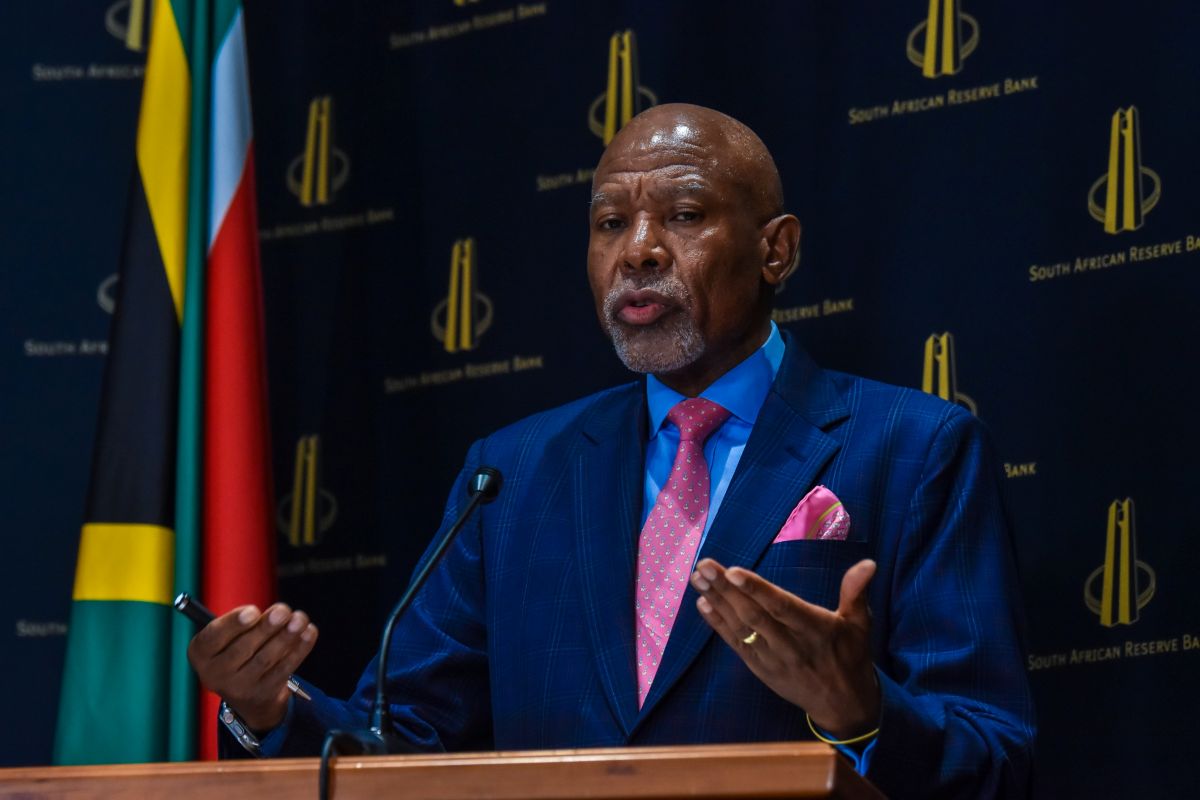
The hawkish shift, delivered by Governor Lesetja Kganyago, underscores a painful reality facing the domestic economy: the brief window of post-pandemic structural recovery is aggressively colliding with severe global supply-side disruptions, rising energy costs, and compounding domestic climatic threats.
A Fractured Global Backdrop
The primary catalyst for the central bank’s tightening cycle stems from an increasingly volatile international environment. Hopes for an expedited resolution to the Middle East crisis have effectively evaporated, leaving the vital Strait of Hormuz largely obstructed.
This geopolitical gridlock has forced global crude oil prices to fluctuate stubbornly around the $100-per-barrel mark, sparking a dual macroeconomic crisis: global growth forecasts are being progressively scaled back, while medium-term inflation expectations are being aggressively revised upward.
The ripple effects of this energy crunch are starkly uneven. While South Asian economies heavily reliant on Gulf producers are experiencing severe energy deficits, advanced economies with substantial pre-existing crude inventories have avoided outright supply shortages but remain severely exposed to the price surge.
Global consumer purchasing power is being severely eroded, with headline consumer prices rising by 3.8% in the United States and hitting 3.0% in the Eurozone this past April. In response, advanced economy sovereign bond yields have spiked to levels not seen since the early 2000s, forcing international policymakers into a defensive, prolonged “hold” pattern, with markets rapidly pricing out previous expectations of monetary easing in favour of potential hikes later this year.
Domestic Growth Potential Imperilled
South Africa has not been insulated from this international fallout. Prior to this external shock, high-frequency domestic data pointed toward an economy successfully building cyclical momentum. However, the SARB has now been forced to downgrade its official gross domestic product (GDP) expansion forecasts for the next two fiscal years.
The country faces a toxic macroeconomic cocktail characterized by compounding global uncertainty and a sharp contraction in real disposable income, which will invariably suppress private sector capital expenditure and household consumption—the primary drivers of modern domestic growth.
Compounding these imported supply shocks are severe domestic bottlenecks. Recent localized but devastating floods across the Western Cape, Eastern Cape, and North-West provinces have caused extensive infrastructure damage, serving as a stark reminder of the escalating risks posed by climate change. Yet, despite these prominent downside risks to growth, the central bank maintained that South Africa’s underlying institutional recovery remains intact.
This fundamental resilience was highlighted by Moody’s Investors Service’s recent upgrade of the sovereign credit rating outlook to positive, supported by highly elevated terms of trade and strong export pricing for critical domestic commodities, alongside persistent regulatory reforms designed to lift long-term growth potential.
The Inflation Surge: Beyond Fuel
The immediate imperative for the 25-basis-point hike is found within the deteriorating domestic inflation profile. South Africa’s headline consumer price index (CPI) jumped to 4.0% in April, up sharply from 3.1% in the prior reading.
This rapid acceleration was heavily anchored by energy infrastructure costs; domestic fuel prices surged by an astonishing 11.4% in April immediately following an 8.7% contraction in March, marking one of the largest single-month fuel inflation expansions recorded in modern history.
More concerning for monetary purists is the broadening of these price pressures. Services inflation accelerated to 4.6% in April, pulling away significantly from the SARB’s explicit 3.0% midpoint target anchor. While a portion of this expansion reflects higher integrated transport and logistics costs, non-fuel categories like insurance and financial services are exhibiting independent momentum.
On a positive note, a stronger year-on-year real effective exchange rate has insulated import price transmission, while domestic food inflation continues to moderate linearly. However, forward-looking agricultural inputs remain highly exposed, with farming enterprises confronting elevated prices for both diesel and fertilizer.
Modeling Risks and Policy Trajectories
The central bank’s updated baseline econometric forecast now models headline CPI averaging 4.4% this calendar year and 3.7% next year, before eventually converging to the 3.0% target in 2028. Core inflation is projected to peak early next year, driven by anticipated second-round pass-through effects into nominal wages and localized inflation expectations. Although official survey data confirming these second-round effects will only be released next month, the bank noted that market indicators and professional analyst expectations are already edging uncomfortably higher.
The MPC’s internal dynamics reflected this complex balancing act. The decision to hike was carried by a 4-2 majority, with two members voting to maintain the status quo. The majority argued that overlapping global shocks had materially intensified inflation risks, necessitating an immediate preventive response to manage expectations. Interestingly, the central bank’s proprietary Quarterly Projection Model (QPM) indicates that real interest rates are technically lower this year due to higher baseline inflation, making the current monetary stance less restrictive than it was in March.
While the QPM advocates for one hike this quarter followed by eventual easing toward a neutral rate as inflation cools, the Governor re-emphasized that this path remains an indicative guide, with future adjustments executed on a strict meeting-by-meeting basis.
Scenarios of Escalation
Underscoring the extreme volatility of the current economic climate, the MPC actively stress-tested three adverse risk scenarios. The first evaluates a protracted Middle East conflict characterized by prolonged closures of the Strait of Hormuz, driving structural fuel costs higher and weakening the rand.
The second introduces the imminent threat of an emerging El Niño weather pattern, which historically yields acute agricultural droughts across Southern Africa. The third and most severe scenario introduces non-linear dynamics, where compounding shocks prompt aggressive, disproportionate pass-through costs to the end consumer.
Crucially, all three simulated pathways result in stagflationary outcomes: lower aggregate output matched with higher systemic inflation, requiring additional monetary tightening. A prolonged shipping lane closure would push inflation to approximately 5%, requiring two additional hikes beyond the baseline, while an active El Niño would freeze interest rates at elevated levels for an extended duration.
The combined, multi-shock scenario would push headline inflation past 6.0%, requiring three additional repo rate increases. By implementing this preventive 25-basis-point adjustment, the SARB has signalled that while it lacks the structural mechanisms to counteract initial supply-side shocks, it will aggressively deploy its policy tools to fulfil its long-term mandate and anchor structural inflation firmly back to its 3% target.