 By
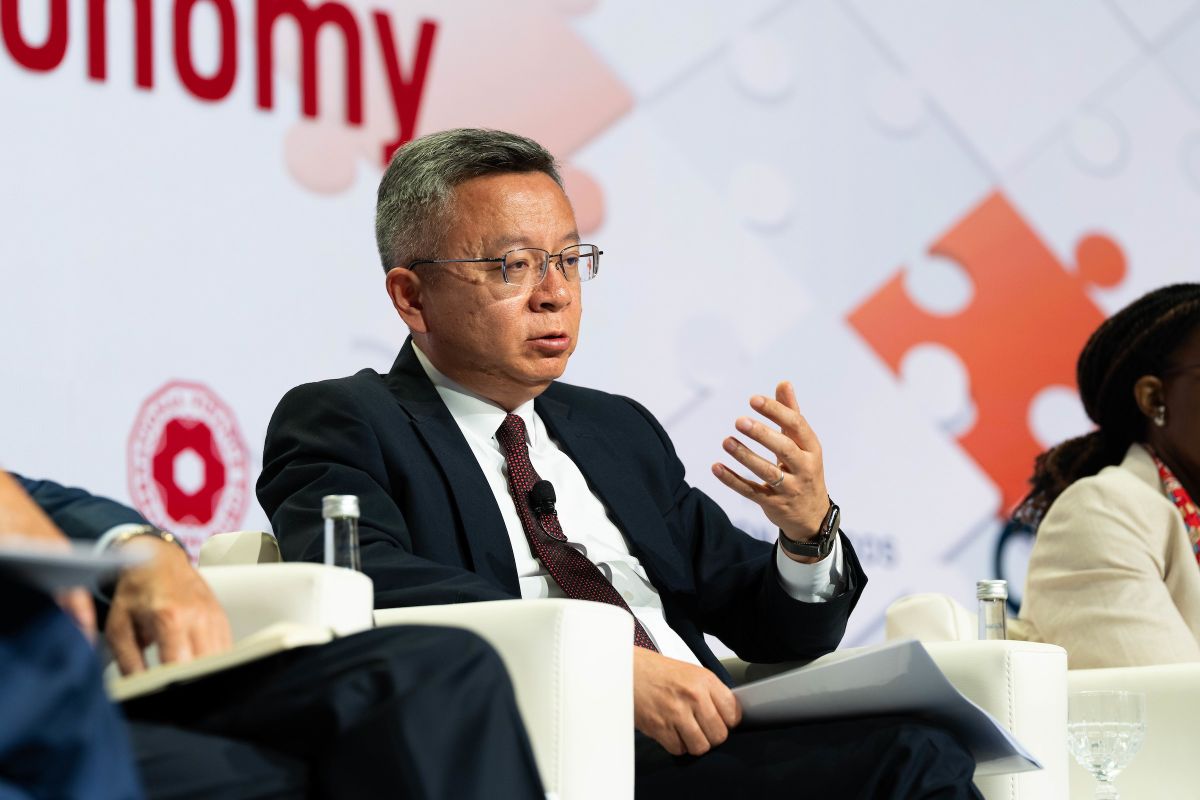
Washington, DC — The International Monetary Fund (IMF) is preparing for a high-level leadership transition in its executive suite. IMF Managing Director Kristalina Georgieva announced that Deputy Managing Director Bo Li will step down from his role upon the conclusion of his term on November 30, 2026.
Simultaneously, Georgieva has proposed Mr. Min Liao—currently serving as China’s Vice Minister of Finance—to succeed Li, with the appointment slated to take effect on December 1, 2026.
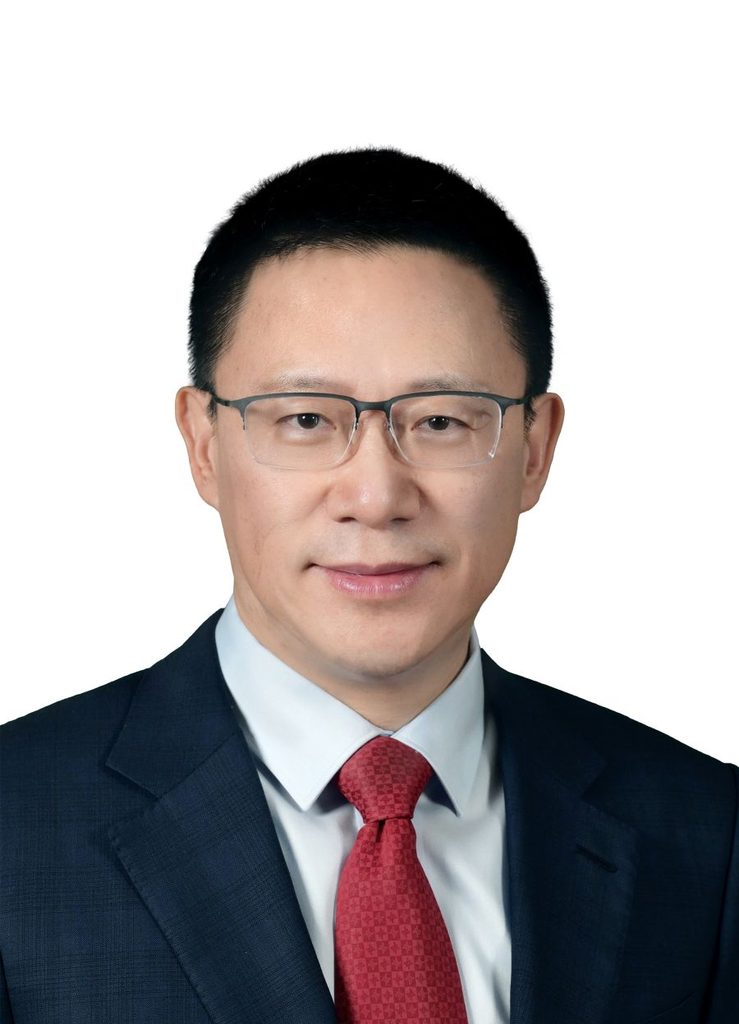
Marking Bo Li’s Tenure: Navigating Global Turbulence and Technological Shifts
Bo Li, who joined the IMF’s senior management team in August 2021, departs after guiding the institution through a turbulent era defined by global economic shocks, post-pandemic recovery challenges, and rapid financial innovation.
Reflecting on his tenure, Managing Director Georgieva praised Li’s leadership, stating, “He has helped guide the Fund through some of the most turbulent years for the global economy with steady judgment, intellectual rigor, and a quiet kindness that people across the institution have come to value deeply.”
Over his term, Li’s portfolio spanned approximately 90 member countries alongside a broad matrix of critical institutional policies. His notable achievements include:
- Institutional Modernization: Li spearheaded the launch of the IMF’s inaugural Enterprise Risk Management policy and roadmap, alongside modernizing the organization’s data governance framework.
- Digital Finance & Regulation: He directed the Fund’s strategic initiatives concerning digital currencies, cross-border payments, and seminal regulatory frameworks for stablecoins.
- Global Development & Debt: Li championed deeper institutional engagement with small developing states, supported complex debt restructurings under the Common Framework, and steered the Fund’s governance and anti-corruption agenda.
- Emerging Technologies: In his most recent focus areas, Li drove the integration of artificial intelligence into the IMF’s core pillars of surveillance, lending, and capacity development.
“Bo leaves a lasting mark on the Fund and will be greatly missed,” Georgieva noted.
The Incoming Successor: Min Liao Brings Decades of Macroeconomic and Regulatory Experience
To fill the vacancy, Georgieva has put forward Min Liao, a seasoned policymaker boasting over three decades of distinguished experience spanning central banking, financial regulation, and macroeconomic governance.
Liao has served as China’s Vice Minister of Finance since May 2018, and until 2023, he concurrently held the position of Vice Minister of the Central Financial and Economic Affairs Commission Office.
His extensive resume also includes serving as a member of the Monetary Policy Committee since 2023, as well as director-general roles within the Central Leading Group for Financial and Economic Affairs.
“Min is a highly respected policymaker with more than three decades of experience in banking, financial regulation, and macroeconomic governance,” Georgieva said. “His experience at the intersection of domestic reform and international economic cooperation will be a tremendous asset to the Fund and our membership.”
Liao’s extensive professional background includes foundational roles at the People’s Bank of China, China Everbright Group, and the Bank of China. He has also held key regulatory positions within the China Banking Regulatory Commission, including Director-General of the General Office and Director-General of the Shanghai Banking Regulatory Bureau.
In addition to his administrative and policy credentials, Liao brings robust academic and research contributions in banking supervision, finance, macroeconomic policy, and international financial governance. He holds a master’s degree in economics from Peking University and an MBA from the University of Cambridge.
As Liao steps into the role on December 1, 2026, he will inherit a dynamic portfolio at a time when the global economy continues to navigate structural shifts, digital asset evolution, and complex multilateral fiscal coordination.