 By
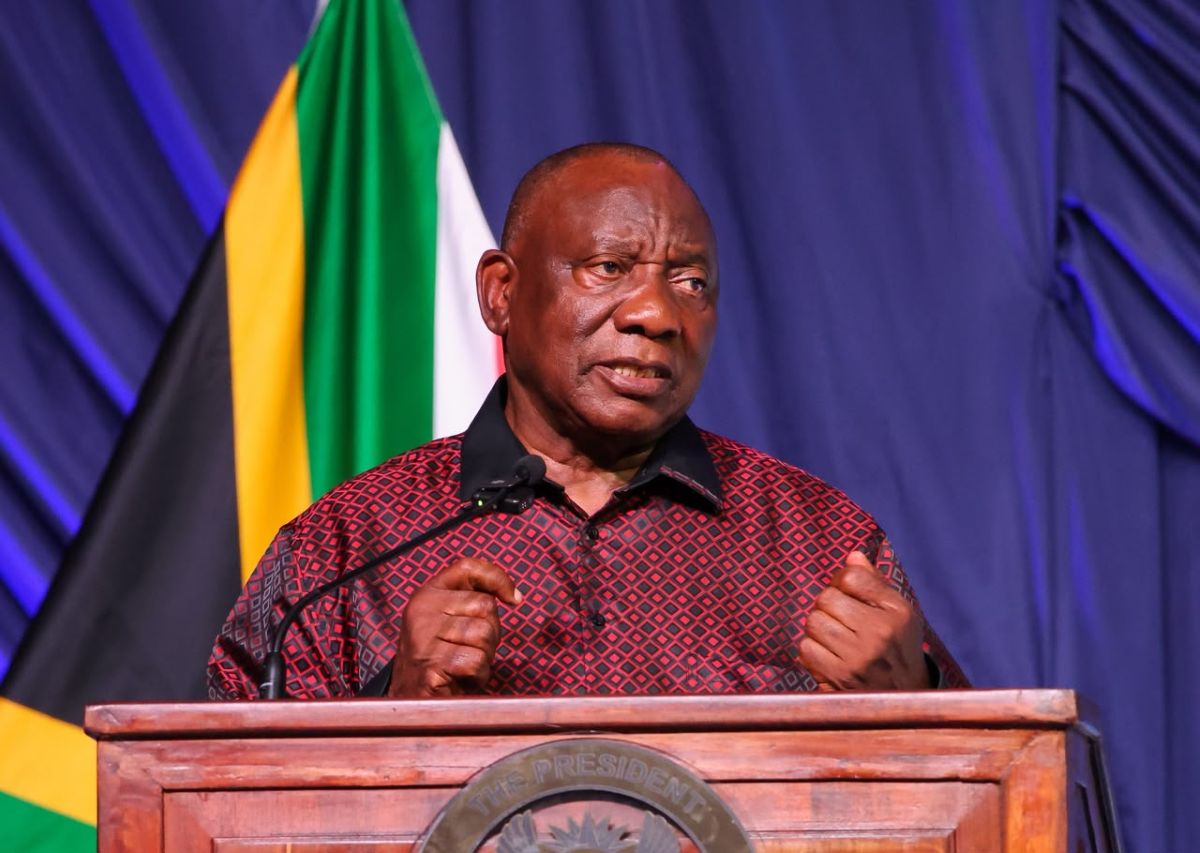
DURBAN — As South Africa’s oldest and largest metropolitan business chamber marks a milestone 170 years of enterprise, President Cyril Ramaphosa has delivered a robust assessment of eThekwini’s economic recovery, pointing to surging investment, falling unemployment, and a turnaround at Africa’s busiest container port—even as structural bottlenecks and pre-election tensions loom.
Addressing the Durban Chamber of Commerce and Industry’s 170th-anniversary gala dinner on Wednesday, Ramaphosa spotlighted a metro clawing its way back from a succession of compounding crises, from the 2021 civil unrest and catastrophic 2022 floods to rolling energy blackouts.
Yet, beneath the celebratory tone of the evening lay a hard-headed focus on economic fundamentals: infrastructure deficits, municipal service delivery failures, and the imperative of public-private execution.
Green Shoots: Investment, Jobs, and Port Efficiency
The economic indicators cited by the President paint a picture of a commercial hub regaining its momentum. Highlighting the fallout from the recent KwaZulu-Natal Investment Conference, Ramaphosa noted that the province secured a record R124.5 billion in investment commitments, with the eThekwini metro capturing the lion’s share across manufacturing, automotive, logistics, and tourism.
Labour market data underpins this sentiment. The latest Quarterly Labour Force Survey reveals that eThekwini boasts the lowest unemployment rate among South Africa’s eight metros, standing as the sole metro to record joblessness drops both quarter-on-quarter and year-on-year. Employment in the metro has expanded by roughly 90,000 over the past year to reach 1.29 million.
Crucially, the country’s maritime gateway is showing tangible operational recovery. Despite historic bottlenecks and a recent terminal operating system migration glitch that government is closely monitoring, the Port of Durban has been named the most improved container port globally by the World Bank and S&P Global Container Port Performance Index. Freight rail volumes continue to claw back, buoyed by enhanced security corridors and falling rates of cable theft.
Structural Headwinds and the Cost of Doing Business
Despite these gains, business confidence remains fragile. Ramaphosa acknowledged that the Durban Business Confidence Index dipped slightly in the second quarter, weighed down by high electricity costs, rising fuel prices, ongoing supply chain frictions, and lingering infrastructure backlogs—particularly regarding municipal water delivery.
To bridge these gaps, the President commended the eThekwini Metro Council for adopting the Development and Service Delivery Partnering Policy Framework, designed to slash red tape surrounding public-private partnerships (PPPs).
“We now need to put that framework to use to implement key infrastructure projects. We need to take forward the work to revitalise the city’s manufacturing and industrial zones and reduce the costs of doing business,” Ramaphosa told business leaders.
Furthermore, national authorities are stepping up protection for local manufacturers against unfair competition. The South African Revenue Service and the South African Police Service continue to execute high-profile anti-counterfeit crackdowns at the port and across the city to safeguard domestic industries and jobs from sub-standard imports.
Navigating Security Risks Ahead of the Polls
Addressing the charged political climate just days ahead of local elections, Ramaphosa struck a firm note on law and order. Condemning opportunistic looting and recent violence masked by anti-immigrant rhetoric, the President confirmed that the South African National Defence Force (SANDF) has been authorized to deploy in the province through the end of November.
With memories of the July 2021 unrest still raw in the business community, Ramaphosa emphasized that authorities are taking no chances, calling on civil society and business leaders to maintain vigilance and unity.
As eThekwini heads to the polls to elect leadership for its economic heartland, the partnership between government and the private sector—forged through the Presidential eThekwini Working Group and championed by the Chamber—remains the linchpin of the region’s long-term prosperity.