
 By
By JOHANNESBURG — In a powerful address delivered on behalf of Deputy President Paul Mashatile, Gauteng Premier Panyaza Lesufi has issued a compelling call for a renewed, unyielding partnership between the state and faith-based organizations to rescue South Africa’s most vulnerable communities from the grips of deepening socioeconomic crises.

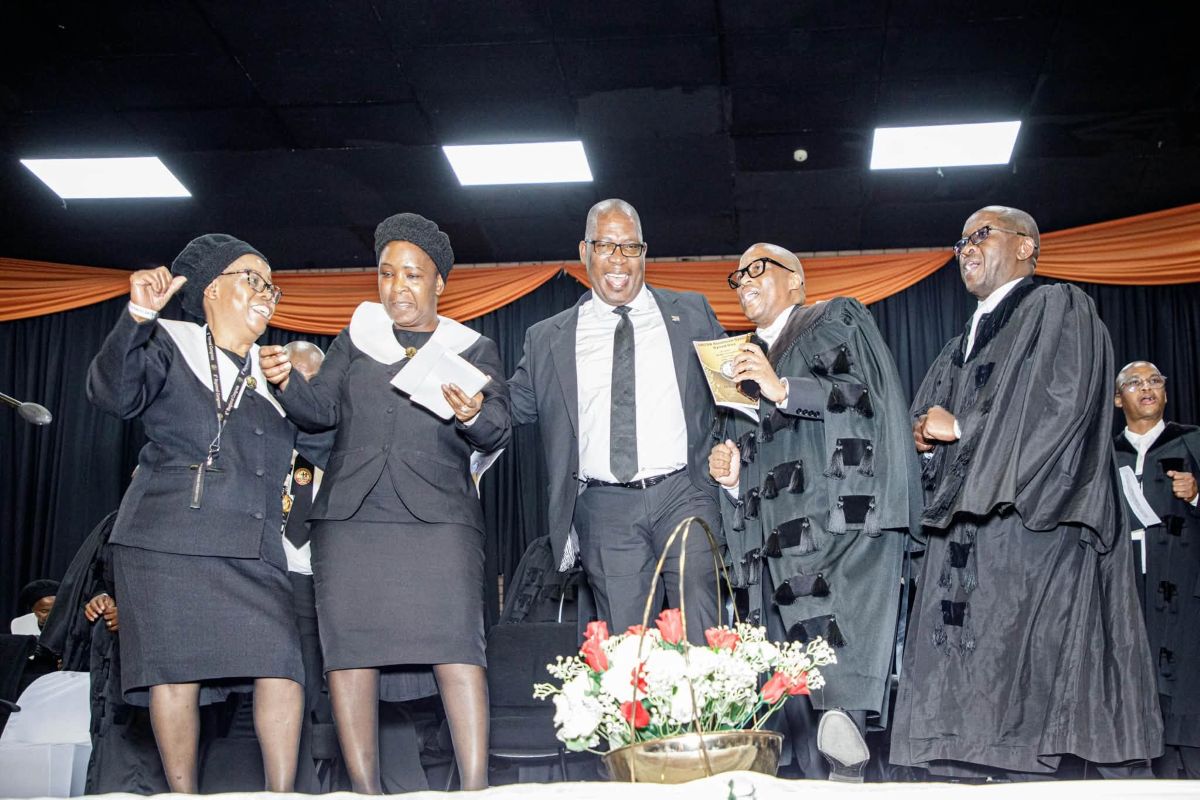
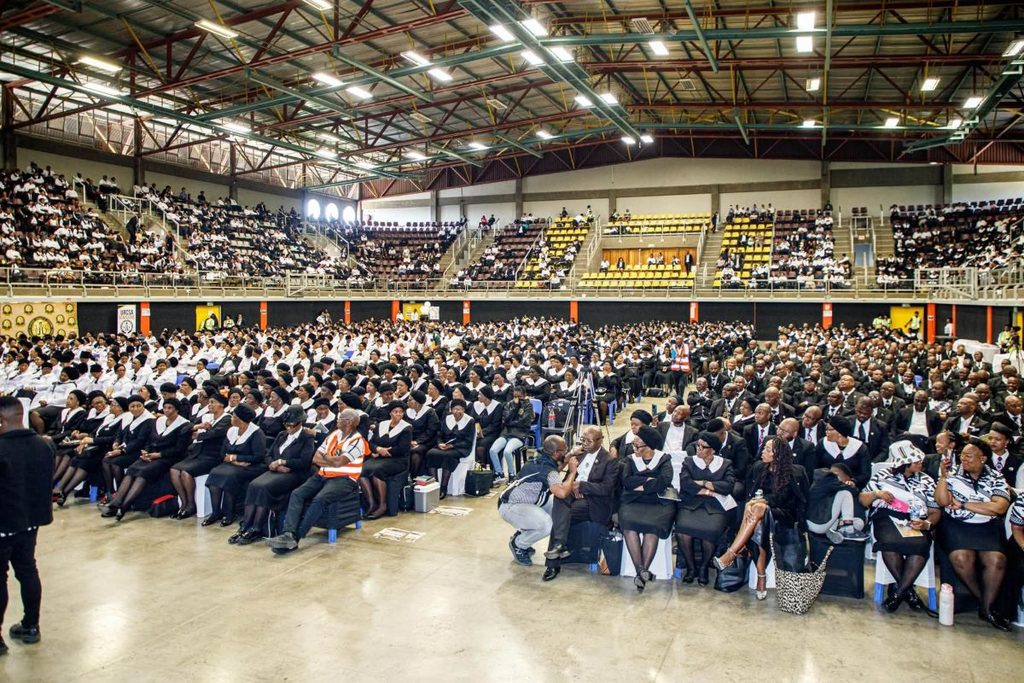
Addressing the United Reformed Church in South Africa (URCSA) Southern Synod Day 2026 at the University of Johannesburg’s Soweto Campus on Sunday, Lesufi framed the collaboration between government and the church not merely as a matter of administrative convenience, but as an existential necessity for the preservation of the nation’s democratic soul.
Speaking before a gathering of church leadership, ministers, youth brigades, and congregants, Lesufi emphasized that the monumental challenges facing South Africa—ranging from poverty, structural unemployment, and inequality to the scourges of crime, gender-based violence (GBV), and youth substance abuse—cannot be solved by the state in isolation.
“Our democratic journey bears testimony to what can be achieved when faith leaders, communities, and Government work together in pursuit of a common purpose,” Lesufi stated, invoking the historic role played by religious institutions during South Africa’s turbulent transition to democracy.
Preserving the ‘Ancient Landmarks’
Centering his keynote on the synod’s theme, ‘Remove not the ancient landmark which thy fathers have set,’ Lesufi cautioned against the erosion of foundational moral and ethical values in contemporary society. He argued that the true “ancient landmarks” of modern South Africa are not physical stones, but the living principles that anchor the country’s constitutional democracy: human dignity, Ubuntu, justice, compassion, integrity, unity, and ethical leadership.
“To remove them is to lose our way; to preserve them is to secure the path for generations yet to come,” the Premier warned, noting that these core values must serve as a compass as the country confronts systemic afflictions.
The Premier pulled no punches regarding the daily dangers plaguing South African townships, rural areas, and cities. He issued a direct challenge to the church to serve as both a protective and corrective force, urging congregations to disrupt the culture of silence surrounding gender-based violence, support survivors, and actively combat the growing crisis of teenage pregnancy and substance abuse among the youth.
Furthermore, Lesufi challenged faith-based institutions to expand their community footprint by transforming places of worship into active economic hubs equipped for skills training, digital literacy, and entrepreneurship mentorship.
A Plea for Ethical Leadership and Peaceful Polls
With South Africa’s local government elections fast approaching, Lesufi’s address took on a distinctively urgent political tone. Against a backdrop of historical political volatility and community frustration, the Premier made a heartfelt plea for spiritual and civic intervention.
“We need your prayer. I need your prayer. Our leaders need your prayer. Our nation needs your prayer,” Lesufi implored, calling on congregations to pray for ethical leadership, conscience, and courage among public servants.
In a pointed reference to the violent disruptions and political killings that have frequently scarred South Africa’s electoral landscape, Lesufi urged the church to intercede for peace. “Let us pray against the darkness of political killings and violence. These wounds tear at the soul of our democracy. Let us ask God to replace fear with hope, division with unity, and hatred with compassion.”
Mutual Accountability and a Call to Action
Closing his address, Lesufi underscored that sustainable cooperation between the government and religious sectors must be anchored in uncompromising mutual accountability. He stressed that both entities must operate transparently to guarantee that public and social resources are strictly channelled toward community upliftment rather than self-enrichment.
Ultimately, the Premier positioned the address as a direct call to action for every citizen. True societal transformation, he argued, requires ordinary South Africans to shed the role of passive spectators and step forward as active architects of their own future.
As South Africa navigates its complex political and economic crossroads, the message from the URCSA Southern Synod was clear: the survival and prosperity of the nation depend heavily on bridging the gap between sacred prayer and secular action.