
 By
By The Gauteng Department of Social Development has reported significant progress in expanding treatment capacity and prevention networks as part of the provincial government’s coordinated strategy to combat substance abuse.

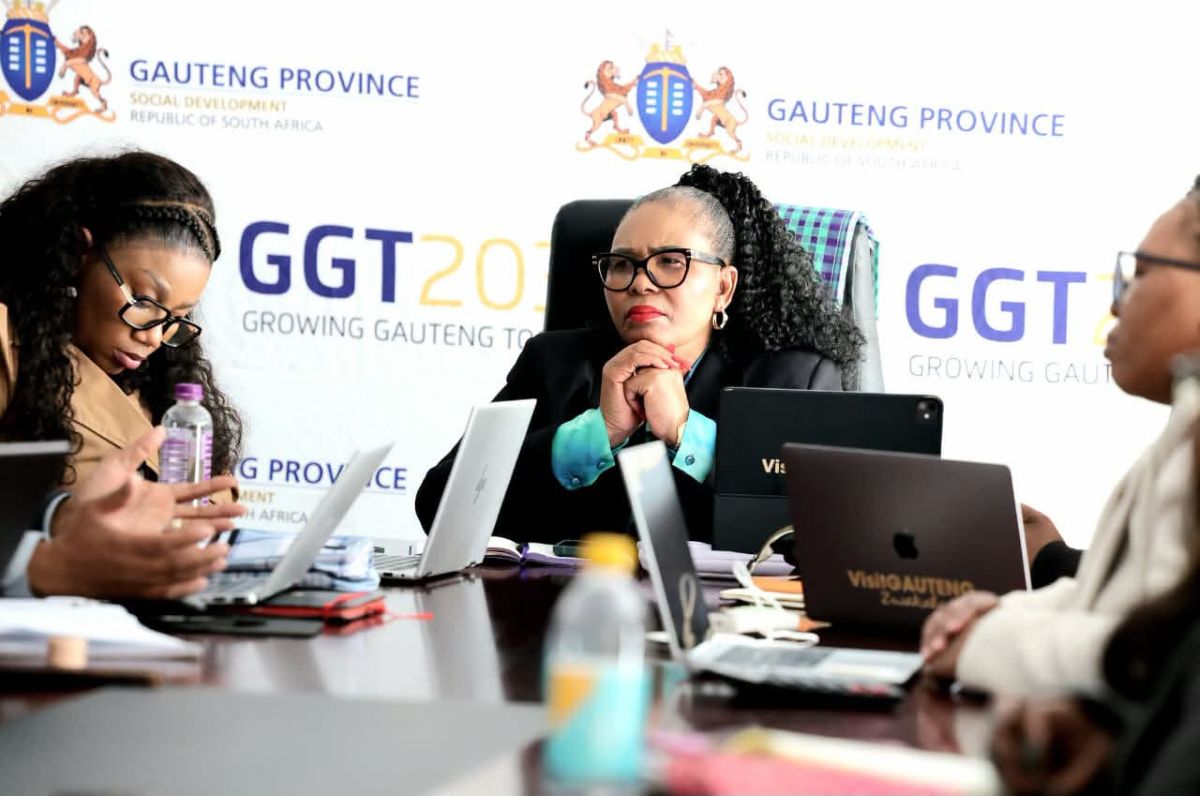
Tabling the Department’s 2025/26 Annual Report at the Gauteng Provincial Legislature, MEC Nomantu Nkomo-Ralehoko emphasized that public commitments are translating directly into functional public services.
This work directly addresses the ninth critical problem (G9) identified in Gauteng Premier Panyaza Lesufi’s 2025 State of the Province Address, which forms part of the province’s broader G13 strategic priorities.
A central achievement highlighted in the report is the successful refurbishment and repurposing of the Mabutho Hlatshwayo facility. This newly operational state-owned substance abuse rehabilitation centre introduces an additional capacity of 110 beds and has already begun admitting service users.
Beyond institutional treatment expansion, the Department’s outreach and continuum of care metrics for the 2025/26 financial year demonstrate wide-scale community engagement:
- Specialised Treatment: A total of 40,312 substance users received funding to access specialised treatment services.
- Aftercare Support: 23,142 individuals participated in structured aftercare programmes to maintain long-term recovery.
- Prevention Initiatives: Nearly two million beneficiaries were reached through the Ke-Moja drug-prevention initiative and related awareness campaigns targeting vulnerable youth.
- Intensified Outreach: The Tswa Daar campaign drove higher rates of admissions, comprehensive rehabilitation assessments, and professional job profiling across the province.
Nkomo-Ralehoko stressed that sustainable recovery requires a holistic continuum of care that goes far beyond institutional walls. This integrated framework combines prevention, early intervention, family support, and relapse prevention with pathways toward education, skills development, and economic participation.
“Rehabilitation cannot begin and end at the gates of a treatment centre,” MEC Nkomo-Ralehoko noted. “The real outcome we seek is not merely treatment; it is the restoration of lives.”