
 By
By JOHANNESBURG — South Africa’s Department of Trade, Industry and Competition (the dtic) is calling on domestic firms to seize the operational and financial lifelines offered by the newly promulgated Export Block Exemption.

The department warned that the regulation’s potential to unlock international growth will remain untapped unless businesses actively enter into permitted collaborative arrangements.
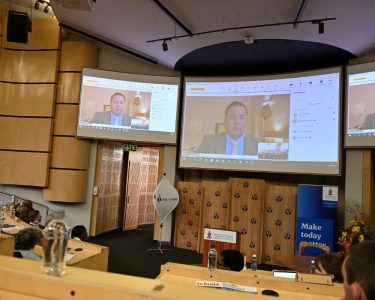
Speaking at a joint public webinar co-hosted by the dtic and the Competition Commission of South Africa (CCSA), Kwanele Mkhwanazi, Director of Export Development and Support at the dtic, underscored that the regulatory framework alone cannot drive export expansion without proactive private-sector engagement.
A Strategic Policy Shield Against Global Headwinds
Promulgated under the Competition Act by Trade, Industry and Competition Minister Parks Tau, the Block Exemption provides a targeted legal exemption from traditional antitrust constraints for specific categories of export-oriented collaboration.
The policy initiative comes as a direct response to increasingly volatile global trade conditions. South African exporters currently face systemic hurdles, including aggressive tariff increases by key international trade partners, escalating global logistics costs, and growing supply-chain complexities.
Under the exemption, qualifying exporters are legally permitted to collaborate in key operational areas:
- Economies of Scale & Infrastructure: Sharing landed costs, international warehousing, and export-related infrastructure.
- Logistics & Information: Coordinating freight and shipping logistics while sharing critical market intelligence.
- Joint Commercial Negotiations: Collectively marketing South African products and negotiating joint contracts with foreign buyers where permitted.
Shifting from Solo Efforts to Ecosystem Collaboration

A central objective of the new measure is addressing structural imbalances in South Africa’s export profile, which remains heavily dominated by large corporations while small and medium enterprises (SMEs) struggle to establish a sustainable international footprint.
“The opportunity before us is not simply to get more businesses into markets,” Mkhwanazi noted during the session. “It is to help businesses enter, compete, retain, and grow in those markets. A single company may struggle with the cost of areas like market research, overseas warehousing, logistics, and international marketing. But collectively, there may be opportunities to share certain costs and activities, where permissible under the regulations.”
To translate policy into measurable trade volumes, the dtic urges exporters to integrate the exemption with existing state support instruments. These include the Export Help Desk, Export Councils, business-to-business matchmaking networks, incubation programs, and financial market-access support through the Export Marketing and Investment Assistance (EMIA) scheme.
Compliance and Due Diligence
While the exemption opens new avenues for trade coordination, both the dtic and the Competition Commission emphasized that it does not grant a blanket immunity from competition law.
Exporters, industry associations, and provincial trade agencies are advised to thoroughly review the specific boundaries and legal limitations outlined in the regulation before finalizing joint ventures or cost-sharing agreements.