
 By
By 
SOWETO — In a long-awaited breakthrough for local housing development, government leadership gathered in Soweto to hand over 196 housing units at the Jabulani Parcel K project, officially ending a four-year allocation deadlock that had left completed homes sitting empty.
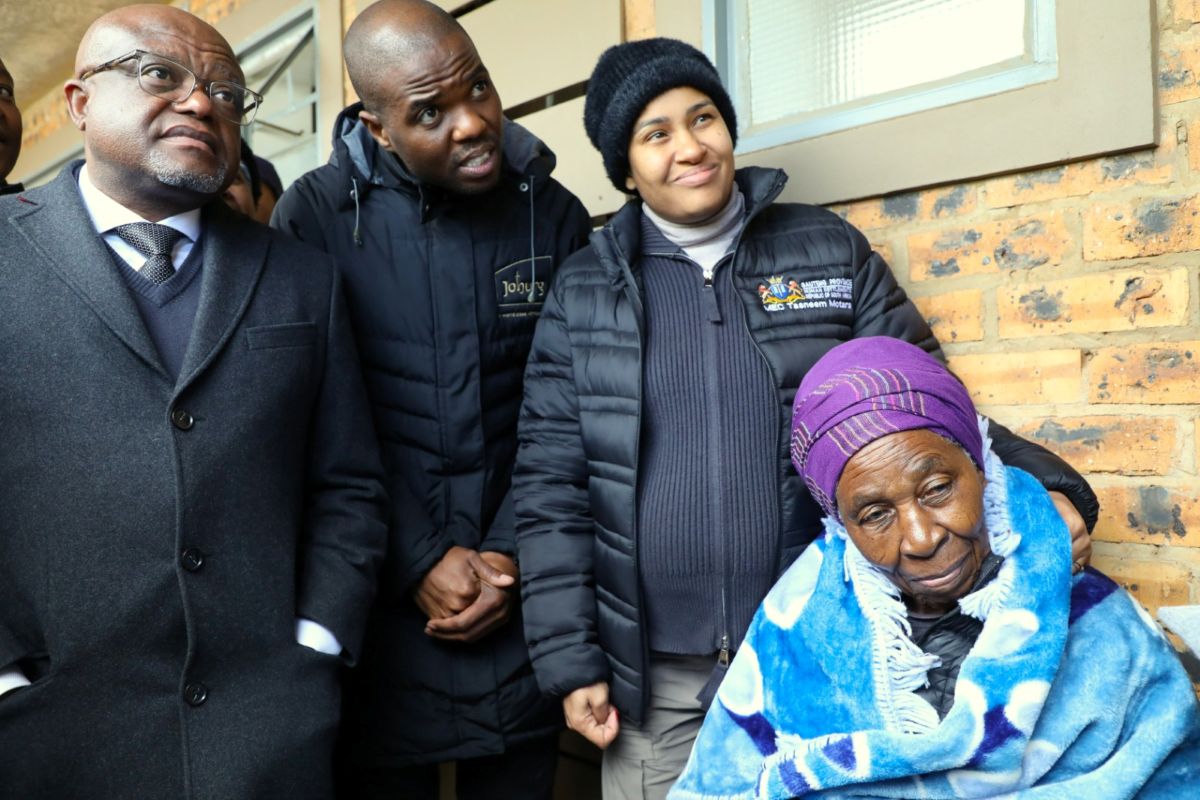
The ceremony, marked by messages of gratitude and civic warnings, was led by national Minister of Human Settlements Thembi Simelane and Gauteng MEC for Human Settlements Tasneem Motara. Joining them were City of Johannesburg Executive Mayor Dada Morero and City MMC for Human Settlements Mlungisi Mabaso, signalling a united intergovernmental front.
Bureaucratic Delays and Policy Enforcements
The Jabulani Parcel K housing initiative had become a focal point of public frustration after construction on the units concluded years ago. However, safety regulations and government policy strictly prohibit the handover of walk-up housing developments without functional electricity infrastructure. The primary bottleneck stemmed from severe delays in the construction of a dedicated local electricity sub-station.
“When I started in the Department, this was one of our sore points,” acknowledged MEC Motara during the event. “It was a project that many believed we had abandoned, because the houses were complete but beneficiaries could not occupy them. In walk-ups, you cannot allocate without electricity — it is dangerous and against our policy. We do not want to give it to you and then have something happen.”
With the sub-station fully operational and the units electrified, officials expressed profound appreciation for the community’s patience. Minister Simelane confirmed that the remaining units will follow in short order, committing that all 705 houses comprising the Jabulani Parcel K project will be allocated to legitimate beneficiaries before the end of September.
Simelane attributed the ultimate success of the development to synchronized collaboration across all three spheres of state administration — national, provincial, and local.
“I am thankful that you were patient with us, because we built the houses and then ran into problems with delays in the electrification of the project,” Simelane stated.
Securing Infrastructure Against Invasions
A prominent theme of the handover was the protection of public assets during the four-year hiatus. Housing developments across the province frequently fall victim to illegal land invasions, vandalism, and hijacking by criminal syndicates when left unoccupied for extended periods.
Minister Simelane offered explicit praise to Brigadier Lefa Tsotetsi, Station Commander of the Jabulani Police Station, acknowledging the South African Police Service (SAPS) for maintaining strict security measures around the vacant property.
“We worked extremely well with the local South African Police Service, led by Brigadier Tsotetsi, in ensuring that the houses were not invaded or damaged,” Simelane emphasized. “When we work together, it shows that there can be progress.”
Responding to the Minister, Brigadier Tsotetsi reassured incoming residents that public safety and community integration remain top priorities for local law enforcement.
“As the police, we work together with the community,” Tsotetsi noted. “We are going to work with the hostel leadership, the councillor, and the broader community to ensure there are no conflicts. We will continue patrolling to ensure the community feels safe.” Tsotetsi added that police management plans to host community engagement meetings to formally integrate the new homeowners into the neighbourhood.

A Firm Warning to New Homeowners
While celebrating the milestone, Minister Simelane issued a direct warning to the new beneficiaries regarding the illegal commercialization of state-subsidized housing. She cautioned residents strictly against renting out or selling their newly acquired properties, reminding recipients that government-provided housing is intended to offer permanent secure shelter to deserving families, rather than serving as immediate financial leverage or speculative real estate.
With the electrification gridlock broken and security measures firmly established, the department expects the complete rollout of the remaining 509 units over the coming weeks, closing out one of Soweto’s most delayed housing projects.