
 By
By 
BLOEMFONTEIN — Face-to-face with recurring audit stumbles, capacity gaps, and a costly reliance on external consultants, the Free State provincial government is shifting its strategy. Rather than treating Annual Financial Statements (AFS) as an end-of-year rush, provincial leaders are pushing local government entities to build audit readiness directly into their daily operations.
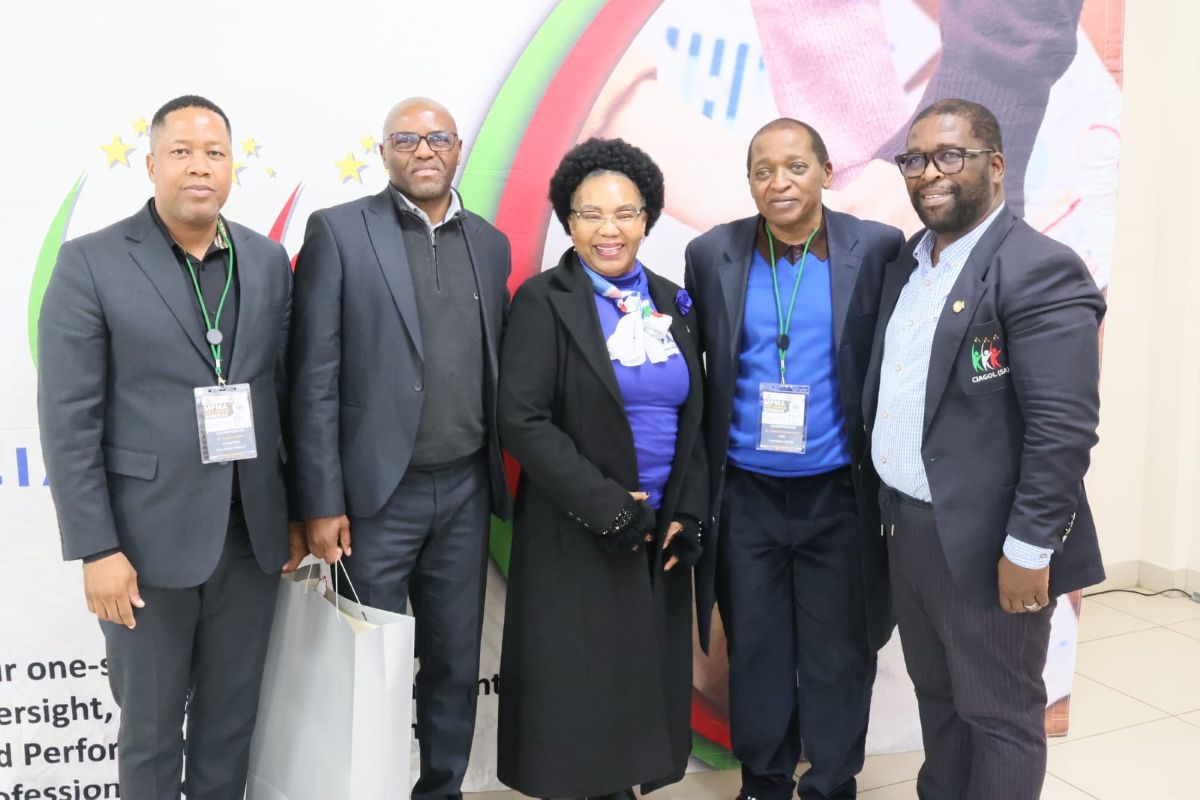
In a coordinated effort to reverse persistent financial management failures, the Free State Provincial Treasury, the Department of Cooperative Governance and Traditional Affairs (CoGTA), and the Chartered Institute of Audit, Governance, Oversight and Leadership South Africa (CIAGOL SA) recently convened an Audit and Financial Reporting Seminar. The summit brought together key leadership to tackle systemic accounting flaws before official submission deadlines trigger further adverse findings.
Moving Beyond Year-End Firefighting
For years, municipalities and provincial departments across South Africa have struggled with the basic mechanics of public finance: maintaining proper paper trails, securing internal controls, and ensuring system stability. When accounting teams fail to manage these basics during the year, they are often forced to hire expensive external consultants at the last minute—a practice that drains public coffers without building institutional capacity.
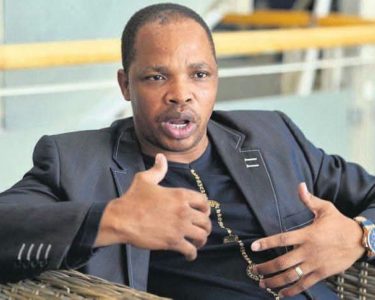
Addressing delegates at the seminar, Pakiso Lebone, Acting Head of Department for Finance, Economic Development and Tourism, highlighted that credible reporting requires a fundamental mind-set shift.
“The road to the preparation of annual financial statements begins long before the submission date,” Lebone emphasized, noting that credible financial reporting must reflect a true and fair view of a municipality’s financial health and performance rather than a simple box-checking exercise.
The strategy centres on delivering hands-on technical support, practical guidance, and structural capacity building to municipal teams long before statements are finalized and submitted to oversight bodies.
The True Cost of Poor Financial Statements
The drive for financial accuracy is about more than avoiding bad publicity from the Auditor-General. In municipal finance, the quality of accounting directly affects service delivery. When local government figures are unreliable, leadership cannot accurately plan budgets, allocate resources for infrastructure, or account for taxpayer funds.
By focusing on internal controls, ongoing record-keeping, and system health throughout the operational cycle, the province aims to stop systemic errors long before they turn into audit disclaimers.
Key operational focus areas discussed at the seminar include:
- Continuous Record-Keeping: Eliminating the year-end scramble by keeping ledgers balanced monthly.
- Strengthening Internal Controls: Mitigating fraud risk and operational leakage at the transaction level.
- Reducing Consultant Dependency: Training internal staff to own the balance sheet and statutory reporting process.
- Technical Guidance: Leveraging Provincial Treasury and CoGTA expertise to resolve complex accounting standard interpretations early.

Broad Accountability Across Governance Layers
A recurring theme of the summit was that sound financial management cannot be outsourced entirely to municipal Chief Financial Officers (CFOs). Institutional turnarounds require active buy-in from political leadership, accounting officers, internal auditors, and frontline administrative personnel responsible for recording transactions.
The seminar drew over 100 high-level decision-makers, including municipal CFOs, accounting officers, internal auditors, and the provincial head of the Auditor-General of South Africa (AGSA) in the Free State. Representatives from both the National and Provincial Treasuries and CoGTA were also in attendance, signalling high-level administrative alignment.
The joint initiative between Treasury, CoGTA, and CIAGOL SA highlights a growing recognition that governance failures require institutional collaboration rather than isolated interventions.
A Paradigm Shift in Public Resource Management
As provincial departments and municipalities prepare for the upcoming AFS submission cycle, the directive from financial regulators is explicit: public finance management is a 365-day responsibility.
If the Free State successfully embeds day-to-day discipline, stronger internal controls, and robust staff skills across its municipalities, the outcome will extend beyond clean audit opinions. Accurate, reliable financial reporting remains the foundation for rebuilding public trust and ensuring that public money translates into actual public infrastructure and municipal services.