
 By
By 
WESTONARIA — In a bid to curb illegal informal trade and protect public housing stock, Gauteng Premier Panyaza Lesufi has called on beneficiaries of government-funded housing to tap into state-backed micro-business funding rather than renting out their properties to spaza shop operators.
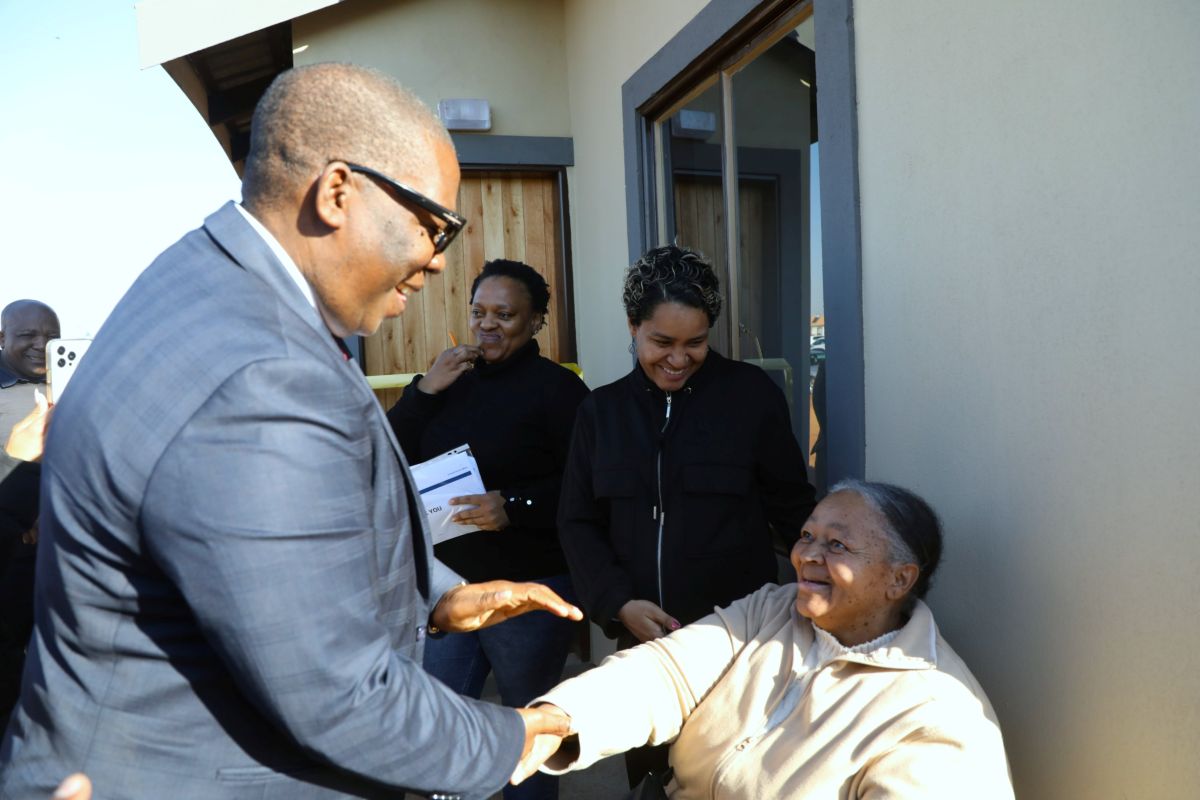
Speaking at a house handover ceremony at the Westonaria Borwa mega project in the West Rand—where 105 qualifying residents received new homes—Lesufi addressed the growing trend of original owners leasing their RDP properties for commercial use.
“If you want to open a spaza shop, the government has the Spaza Shop Fund. Approach the relevant department to apply and be the owner of your shop and not lease the house,” Lesufi instructed. He emphasized that the provincial administration is focused on establishing lawful, regulated business enterprises within local communities.
In addition to commercial leasing, the Premier warned new property owners against undertaking unauthorized structural alterations, noting that all home renovations must have municipal building plan approvals before construction begins.
Preserving Housing as Intergenerational Assets
The strategy to discourage residential leasing forms part of a broader policy push to ensure public housing remains in the hands of intended low-income families. Gauteng MEC for Human Settlements Tasneem Motara reinforced this stance, cautioning beneficiaries against vacating or subletting their properties.
Motara urged residents to view RDP units as long-term family assets meant to provide stability across generations.
“If you have other circumstances that require you to leave your house, ask your children or grandchildren to move into your house,” Motara stated, adding that the government’s core vision is for these properties to function as stable family hubs even as older generations pass or children move onward.
Relief for Vulnerable Groups

The Westonaria Borwa development handover aligns with the start of Women’s Month, prioritizing female-headed households and residents transitioning out of vulnerable living conditions.
For beneficiaries like Lebogang Segomelo, the handover ends years of residential instability. “We lived in different places renting until we returned to my mother’s home. I am happy that me and my siblings now have our family home,” Segomelo shared.
Similarly, 64-year-old Lucelle Barnes, who previously rented in Zuberkom, expressed relief at securing formal tenure after years of informal rental arrangements.
West Rand District Municipality Mayor Dennis Thabe welcomed the handover, noting the critical role secured land tenure plays in supporting vulnerable women. He urged broader society to safeguard female homeowners and support local housing security.
As state funding continues to pour into mega human settlements projects across Gauteng, provincial authorities maintain that restricting illegal subletting—and steering aspiring township entrepreneurs toward dedicated development finance like the Spaza Shop Fund—is essential to sustaining township economies without undermining public welfare infrastructure.