
 By
By 
PRETORIA — The Auditor-General of South Africa (AGSA) has moved swiftly to protect its institutional integrity and governance standards following public reports and regulatory sanctions involving a partner at its external audit firm, Crowe.
The controversy centres on Mr. Gary Kartsounis, a partner at audit firm Crowe, which currently serves as AGSA’s national external auditor. Media reports have raised concerns regarding financial valuation services performed by Mr. Kartsounis in a private sector transaction between the Public Investment Corporation (PIC) and Acapulco concerning the acquisition of a stake in Lanseria Holdings.
Compounding the transaction scrutiny, the Independent Regulatory Board of Auditors (IRBA) issued adverse findings and imposed formal sanctions against Mr. Kartsounis. The regulatory sanctions stemmed from audit files under his supervision that failed to satisfy the IRBA’s quality control standards. Officials confirmed that the non-compliant audit files were completely unrelated to AGSA’s accounts.
Proactive Risk Assessment and Governance Safeguards
Despite the audit quality failures occurring outside of AGSA’s engagement, South Africa’s supreme audit institution took immediate steps to evaluate potential reputational and operational risks. AGSA’s audit committee convened an extraordinary session to examine the issue and receive a formal explanation from Crowe’s senior management.
To ensure absolute independence and rigor, AGSA requested additional written assurance from Crowe regarding the integrity and execution of the AGSA audit process.
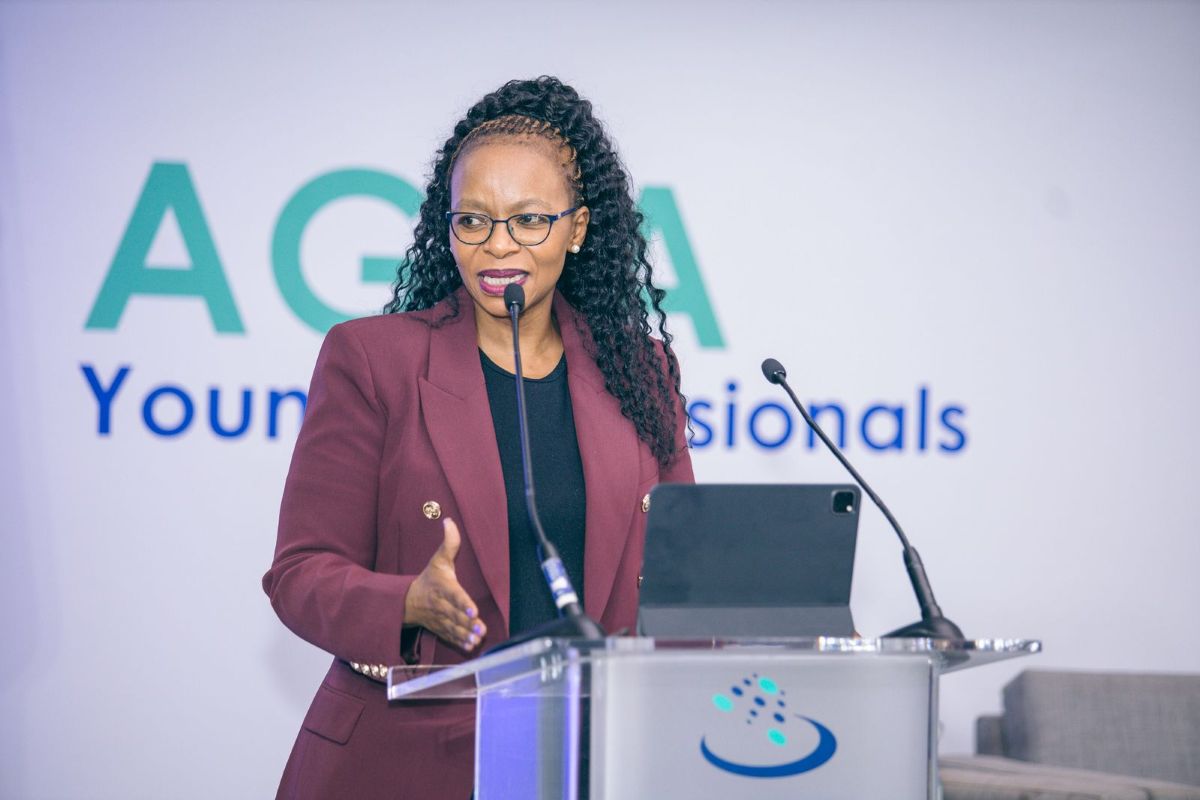
“As a proactive response to the circulating allegations involving our external auditors, our audit committee has since convened a special session to evaluate this risk and to obtain an explanation from Crowe’s management,” said Deputy Auditor-General Ms. Bongi Ngoma. “Whilst this matter is completely unrelated to the AGSA audit process, the audit committee took a proactive step by requesting the firm to provide additional assurance on the AGSA audit process.”

Institutional Integrity and Next Steps
As a constitutionally mandated body responsible for scrutinizing public sector spending and promoting clean governance across government auditees, AGSA highlighted the necessity of maintaining exemplary internal standards. Celebrating its 115-year legacy of public auditing in 2026, the institution emphasized that its institutional reputation must remain flawless.
“As a responsible institution, we are ensuring that enhanced oversight measures are in place,” Ms. Ngoma stated. “As a supreme audit institution that is constitutionally mandated to ensure good governance by those it audits (auditees), we have to lead by example at all times and ensure that our governance systems and reputation are unquestionable.”
AGSA assured stakeholders and the public that enhanced oversight protocols are active and that the audit process has not been compromised. The national audit office confirmed it will publicly announce the final outcomes and determined way forward once all risk assessments and assurance procedures are fully concluded.