
 By
By 
PRETORIA — South Africa’s export landscape faces a fresh hurdle following a decision by the United States Trade Representative (USTR) to slap a 12.5% tariff on South African goods under Section 301. The action stems from a sweeping US investigation into how global trading partners enforce prohibitions against forced labour.
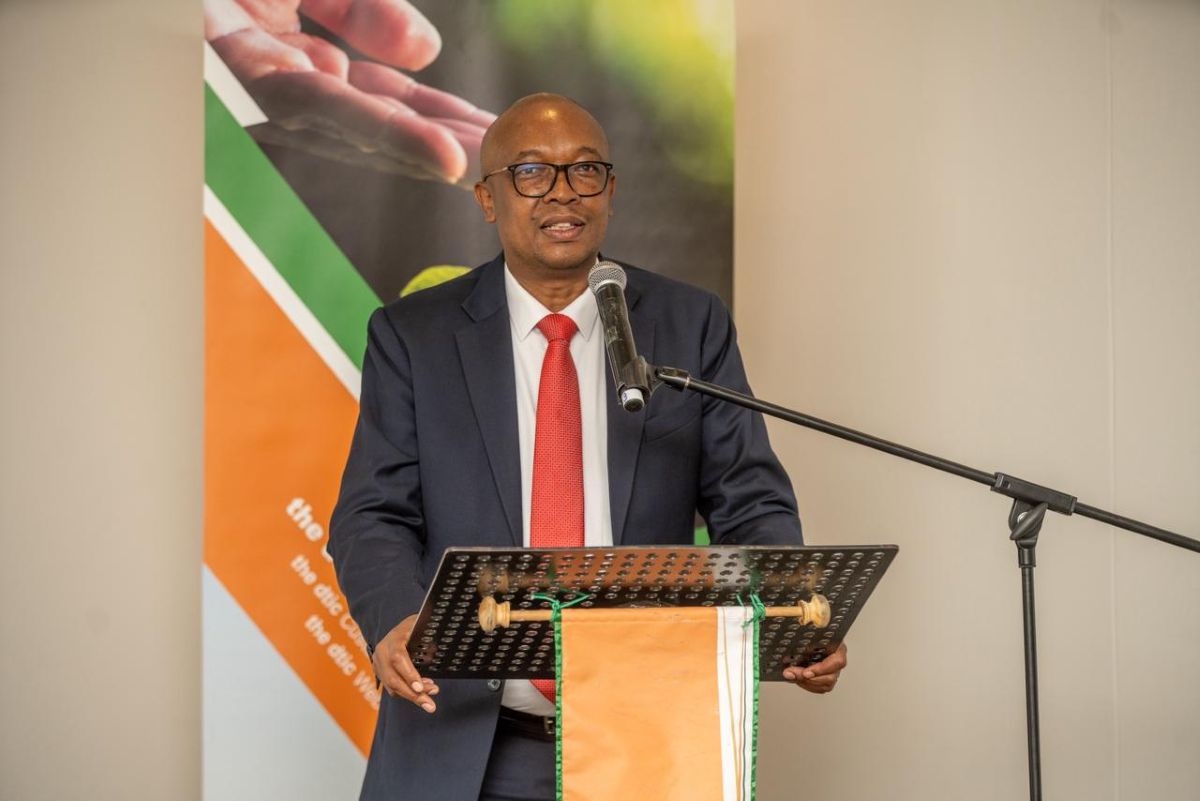
Minister of Trade, Industry and Competition(the dtic) Mr Parks Tau acknowledged the USTR’s ruling, which penalizes South Africa and 40 other economies for failing—in the view of Washington—to adequately impose and enforce import bans on goods produced using forced labour.
An additional 19 economies that the US determined do maintain and enforce laws against forced labour imports were assessed a lower 10% duty.
Strategic Exemptions Buffer Key Export Sectors
Despite the baseline 12.5% penalty, South Africa’s core industrial and agricultural exports have largely dodged a worst-case scenario.
The USTR confirmed that products already subject to Section 232 tariffs—notably automobiles, automotive components, steel, and aluminium—are explicitly exempted from these new Section 301 duties.
Furthermore, Washington published specific product exemptions listed under Annex I and Annex II of the Federal Register, carving out several crucial South African export categories:
- Agriculture & Agribusiness: Macadamia nuts, oranges, limes, tea, spices, seeds, cane sugar, orange and lime juice, and syrups.
- Mining & Resources: Platinum-group metals (PGMs), precious metals, critical minerals, chemicals, and isotopes.
- Manufacturing & Healthcare: Pharmaceuticals, along with civil aircraft and their associated parts and components.
These carve-outs offer immediate relief to key commercial sectors, particularly mining houses and citrus exporters, who would have faced significant margin pressure in the US market.
Pretoria Scrambles Regulatory Countermeasures

The USTR’s decision follows months of diplomatic manoeuvring by Pretoria. The South African government, organized labour representatives, and private sector stakeholders submitted extensive written arguments, engaged in direct bilateral consultations with USTR officials in May 2026, and delivered formal testimony at a US Section 301 Committee public hearing earlier this month.
To bridge the legislative gap that triggered the 12.5% tariff, South Africa is preparing a swift regulatory update. The government announced plans to publish a official notice in the Government Gazette inviting public comment on proposed regulations. The new measures will explicitly prohibit imports into South Africa of goods produced, in whole or in part, through forced labour and child labour.
Minister Tau affirmed that diplomatic dialogue remains open, stating that the South African government will continue engaging with the USTR to either completely eliminate or reduce the newly imposed tariff rate.