
 By
By 
DURBAN — As global markets navigate unprecedented shifts in supply chains, technology, and energy, regional resilience has taken centre stage. Against this backdrop, the Southern African Development Community (SADC) Industrialisation Week will officially convenes on, July 27, 2026, at the Durban International Convention Centre (Durban ICC).
The premier annual gathering brings together regional heads of state, policymakers, private sector titans, and international development partners to chart a practical course toward a more competitive, interconnected, and self-reliant Southern Africa.
Moving Beyond Raw Resources: A Focus on Value Addition
At the core of this week-long summit is a decisive push away from historical trade patterns dominated by raw commodity exports. Discussions and strategic panels will focus heavily on accelerating local manufacturing, regional value-addition, and building cross-border value chains.
For decades, Southern Africa’s immense natural wealth—from critical minerals to agricultural products—has often been exported for processing elsewhere, leaving the region to import the finished goods at a premium. The Durban gathering aims to dismantle these structural barriers by fostering regional supply networks that keep capital, technical skills, and industrial output within SADC borders.
Alongside high-level dialogues, a dedicated trade exposition will run concurrently on the fringes of the conference, allowing businesses from across the SADC bloc to showcase regional manufacturing capabilities, foster business-to-business links, and negotiate deal flows.
Turning Global Turbulence into Opportunity
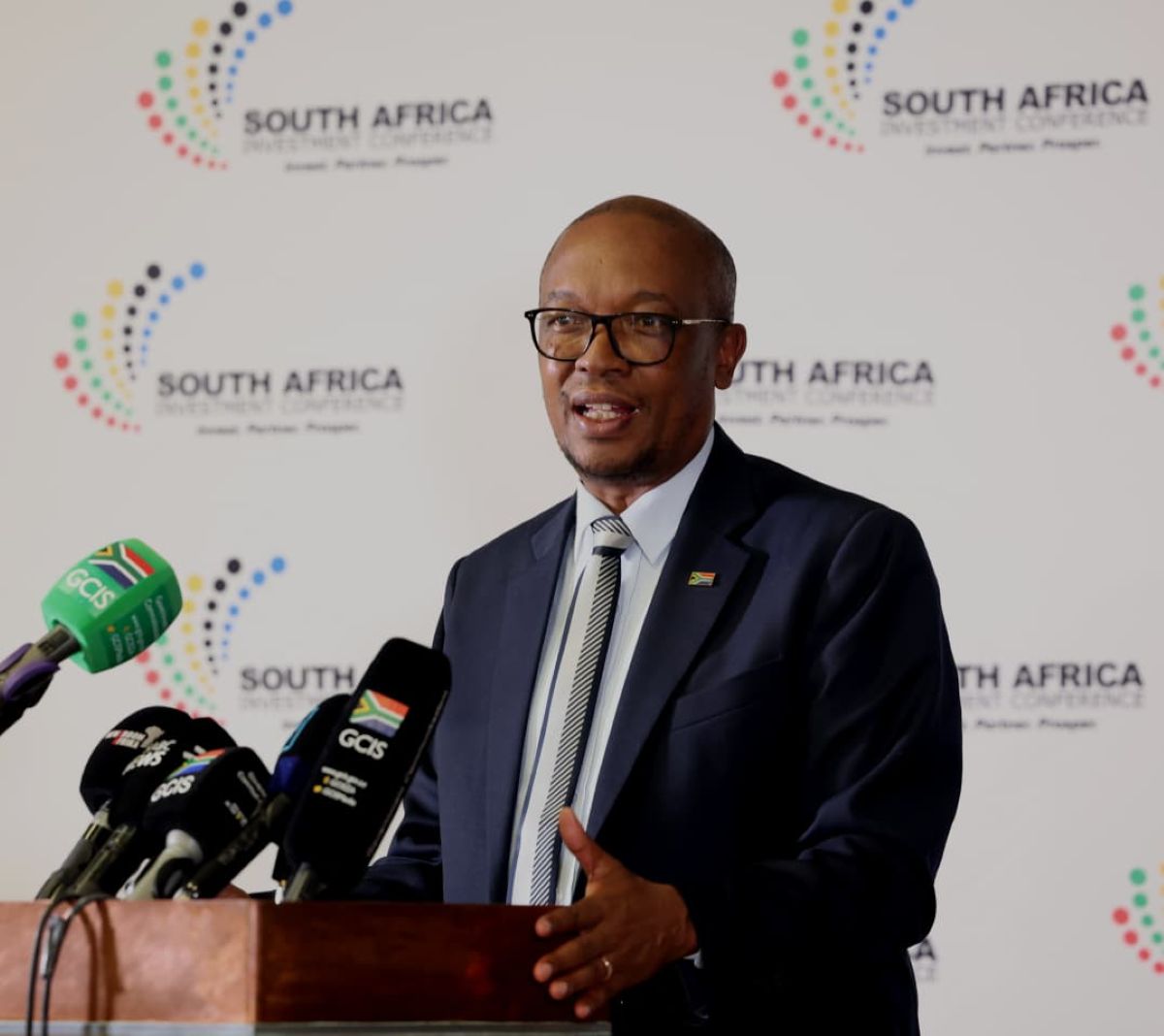
South Africa’s Minister of Trade, Industry and Competition, Parks Tau, emphasized the strategic importance of the moment, noting that the event arrives at a defining juncture for both SADC and the broader international economy.
“Rapid geopolitical shifts, technological transformation, climate change, supply reconfiguration, and the accelerating global energy transition are reshaping patterns of production, trade and investment,” Minister Tau stated. “These developments present significant challenges, but they also create unprecedented opportunities for SADC to reposition itself as a competitive, resilient, and industrially advanced region.”

The Minister’s remarks highlight a critical economic reality: as global superpowers re-shore and diversify their supply lines, regional economic blocs that can offer integrated manufacturing and green-energy production stand to gain immense market share.
The Path Forward
To translate ambitious policy targets into economic growth, delegates this week will be tasked with tackling persistent regional friction points, including infrastructure bottlenecks, non-tariff trade barriers, and regulatory harmonisation.
If SADC member states can successfully align their industrial policies and leverage their collective market scale, the Durban summit could mark a critical step forward in transforming Southern Africa into an industrial powerhouse.