 By
TSHWANE — An escalating public health crisis in the City of Tshwane’s Region 7 has laid bare severe municipal infrastructure failures and a critical breakdown in intergovernmental oversight.
Between October 7 and 18, 2026, health authorities recorded 408 cases of severe gastrointestinal illness—predominantly affecting young children under the age of four—following exposure to heavily contaminated tap water in Bronkhorstspruit and surrounding communities.
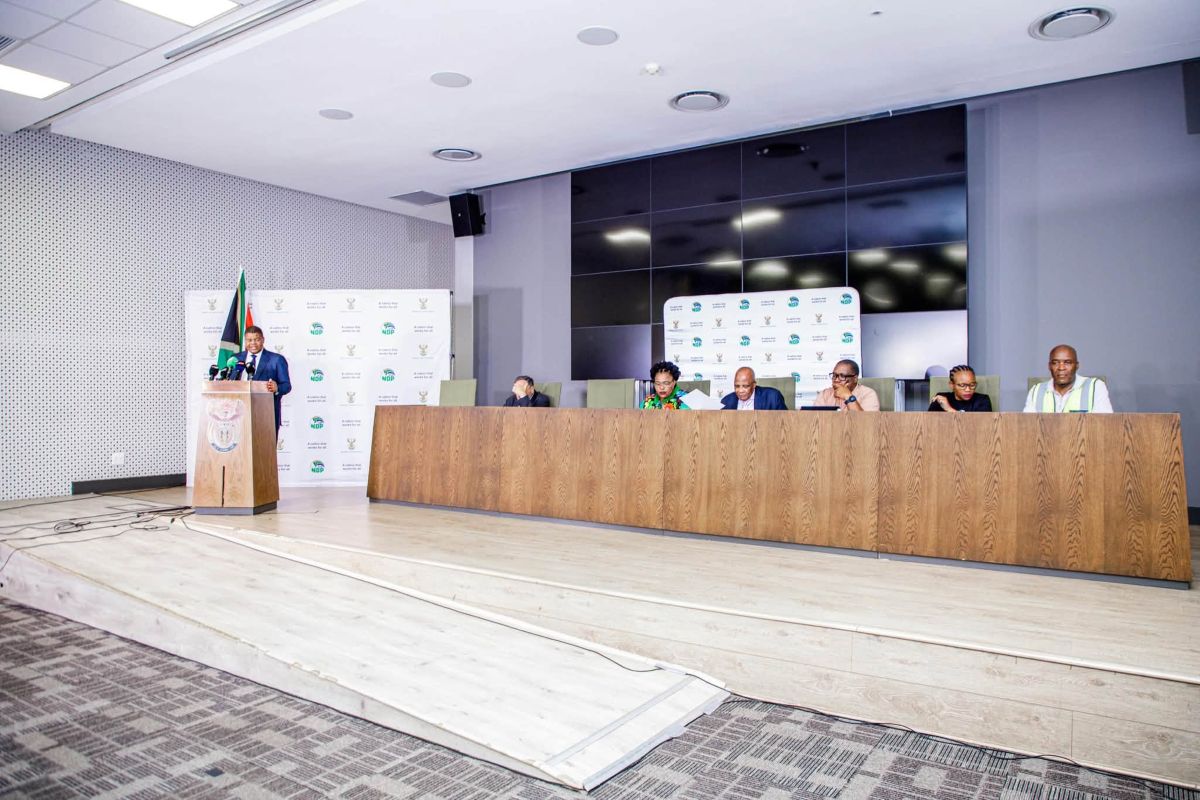
The joint intergovernmental response, spearheaded by Minister of Water and Sanitation Pemmy Majodina, Minister of Health Dr. Aaron Motsoaledi, Gauteng Premier Panyaza Lesufi, and Tshwane Executive Mayor Cllr. Nasiphi Moya, has revealed alarming operational lapses within the City of Tshwane (CoT).
A Failure of Basic Municipal Governance
According to findings from an extensive Department of Water and Sanitation (DWS) investigation, the root of the outbreak stems from a complete cessation of water chlorination at the Bronkhorstspruit Water Treatment Works (BWTW). Due to difficulties with a chlorine supplier, the plant operated without chlorination from September 24 to October 14.
Compounding this failure, the BWTW abstracts raw water from the Bronkhorstspruit River, which is heavily compromised by sewage pollution flowing from upstream dysfunctional wastewater treatment works under the Victor Khanye Municipality, as well as failing CoT sewage pump stations.
Water quality tests conducted by the DWS on October 14 confirmed astronomically high levels of E. coli and total coliforms emanating from the BWTW and local reservoirs in Zithobeni and Ekandustria.
Cabinet ministers and provincial leadership lambasted the municipality for its lack of transparency. Investigators found that the City of Tshwane failed to issue timely warnings to residents that the water supply was unchlorinated and unfit for consumption, washing, or cooking—a direct violation of the 2025 Compulsory Standards for Water Services.
Medical Findings and Response
Laboratory analyses conducted by the National Institute for Communicable Diseases (NICD) on patient stool specimens detected a lethal cocktail of pathogens, including Norovirus, Campylobacter, and Shigella. While no cholera bacteria have been detected, the presence of mixed pathogens and the rapid trajectory of infections confirmed a common water supply source.
The daily infection rate peaked on October 13 with 72 reported cases. Although the daily figures have since dropped—with 16 new cases recorded on October 18—the cumulative total has reached 408. Fortunately, no deaths have been reported.
Bronkhorstspruit Hospital has established dedicated isolation wards and overflow surge capacities. Most patients have presented with severe stomach cramps and diarrhoea, receiving prompt rehydration before being discharged within a day.
A four-tier escalation plan remains active, allowing regional patient transfers to Mamelodi Regional, Tshwane District, or Pretoria West District hospitals if necessary.
Emergency Interventions and Accountability
The City of Tshwane shut down the BWTW on October 14. Although chlorine supplies were restored and the plant briefly reopened on October 16, authorities have kept strict consumer advisories in place as independent tests continue.
To mitigate the disaster, a fleet of 36 water tankers has been deployed to distribute safe drinking water sourced from the Cullinan Water Treatment Works. Meanwhile, the Water Research Commission (WRC) has been appointed to conduct an independent investigation into the contamination, with a final report mandated by October 28.
Politically, the crisis places intense pressure on the City of Tshwane’s administration. While the municipality has allocated more than R107 million over a three-year cycle—including R21 million in the current financial year—toward upgrading the beleaguered BWTW, chronic mechanical failures of pumps, sand filters, and equipment have crippled operations. Consequently, the CoT is moving to appoint Rand Water as an implementation agent to overhaul the facility.
As DWS initiates formal regulatory accountability measures against those responsible for the environmental and administrative failures, the immediate priority remains public safety. Authorities have sternly warned residents in affected areas—including Zithobeni, Dark City, Rethabiseng, and Sokhulumi—to completely avoid using tap water for drinking, cooking, brushing teeth, or bathing until further notice.