 By
As climate and disaster risks intensify across the globe, the conversation at the international climate summit has increasingly turned from pure mitigation to survival, adaptation, and anticipatory resilience.
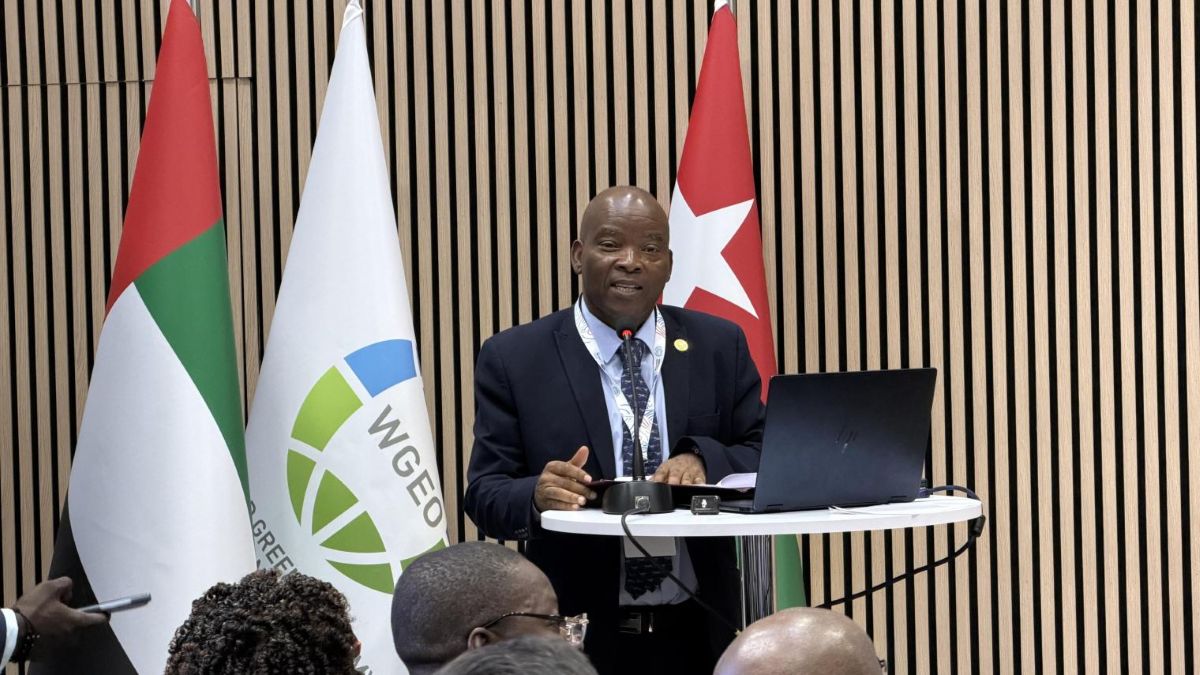
At the COP31 High-Level Dialogue in Antalya, Türkiye, African Union leaders delivered a resolute message: Africa can no longer afford a predominantly reactive approach to climate disasters.
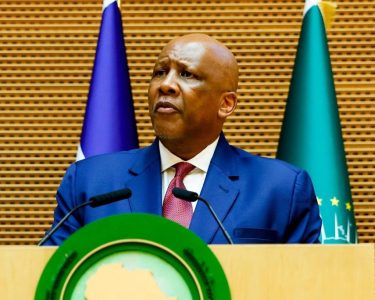
Speaking on behalf of the Chairperson of the African Union Commission H.E Mahmoud Ali Youssouf, Commissioner H.E. Moses Vilakati emphasized that the continent’s growing exposure to devastating floods, prolonged droughts, tropical cyclones, and heat-waves demands an immediate, structural shift toward prevention, preparedness, and predictable financing.
The Progress and the Persistent Gaps
Africa has demonstrated encouraging momentum under the United Nations Secretary-General’s Early Warnings for All initiative. Currently, forty-one African countries report having early warning systems in place, with the overall comprehensiveness of these systems more than doubling since 2022.
At the continental level, the African Union has robustly advanced the Africa Multi-Hazard Early Warning and Early Action System (AMHEWAS). Under this strategic framework, seven Situation Rooms have been successfully established, and over forty Member States have benefited from specialized capacity-building and training.
However, Commissioner Vilakati cautioned that significant vulnerabilities remain. Many nations continue to battle inadequate forecasting infrastructure, fragmented institutional coordination, technological constraints, and persistent difficulties in ensuring that warnings successfully bridge the “last mile” to vulnerable populations.
With compounding El Niño-related risks threatening upcoming agricultural and hydrological seasons, the mandate to protect agriculture, water resources, public health, and livelihoods has never been more urgent.
To close these gaps, the African Union welcomed the Addis Ababa Call to Action, born from the Africa Early Warnings Forum in September 2026, which serves as a vital blueprint for accelerating implementation, sealing protection gaps, and securing sustainable financial frameworks beyond 2027.
A Triad of Financing Priorities
The crux of the dialogue centred on a harsh reality: universal early warning coverage cannot be achieved through fragmented, short-term, project-dependent interventions. Building resilient societies requires robust, diversified, and predictable financial streams that merge domestic budgets, international climate funds, development financing, innovative risk mechanisms, and private-sector capital.
The African Union outlined three critical financing priorities to achieve this architecture:
- Strengthening Domestic Investment: African governments must embed early warning systems directly into national development plans, public investment programs, and climate adaptation strategies, treating them as essential public goods necessary for safeguarding national development.
- Expanding International Climate Finance: Multilateral development banks and global climate finance institutions must scale up accessible, long-term funding tailored equitably to the scale of Africa’s climate crisis, ensuring resources cover not just setup costs, but long-term maintenance and technological upgrades.
- Leveraging Public-Private Partnerships: The private sector must be actively engaged to drive technological innovation, expand digital and communication infrastructure, and improve the accessibility of risk data while keeping vital public services affordable.
Shaping a Post-2027 African-Led Framework
As the 2027 horizon of the Early Warnings for All initiative approaches, Africa is actively shaping its own sustainable post-2027 framework. The end of the current implementation window must not signal a lapse in momentum, but rather a deliberate transition toward self-sustained national institutions, advanced technologies, and deep-rooted regional cooperation.
The true benchmark of success, as underscored in Antalya, will not be measured merely by the volume of forecasts generated or Situation Rooms operationalized. Rather, it will be quantified by lives protected, livelihoods preserved, communities reached, and economic losses avoided.
By aligning political commitments with tangible financial resources through AMHEWAS and the Addis Ababa Call to Action, Africa is determined to lead the charge—moving definitively from forecasting hazards to financing action, and from managing disasters to preventing their impacts.