 By
JOHANNESBURG — As the United States prepares to announce the outcome of its annual eligibility review for South Africa under the African Growth and Opportunity Act (AGOA) on November 2, Pretoria remains optimistic that constructive diplomatic engagement will yield a positive result.
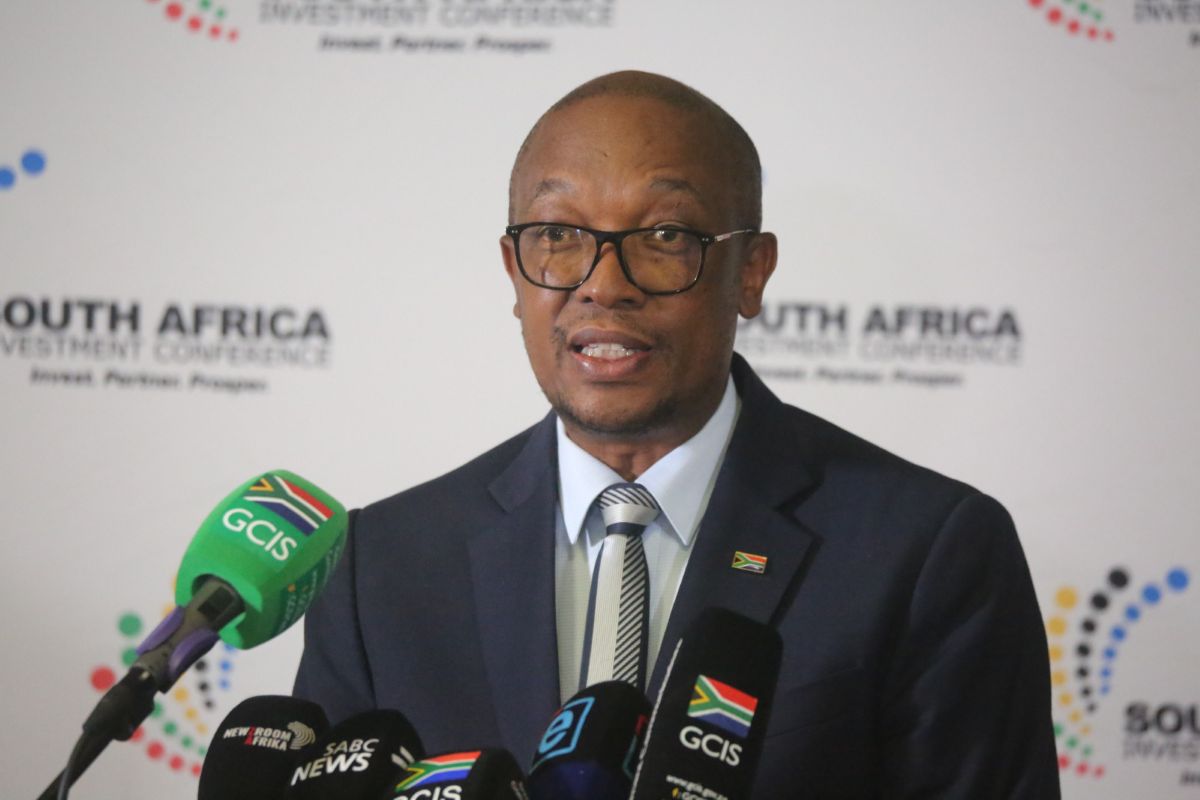
Addressing stakeholders, Minister of Trade, Industry and Competition Parks Tau emphasized that the government, supported by social partners and the global investor community, anticipates a favourable response to the robust proposals tabled during bilateral negotiations over the past year.
“This is what is in the best interest of our two nations—the US and South Africa—as well as of partners in the African continent,” Minister Tau stated. He reassured business communities and citizens that regardless of the upcoming decision, South Africa’s economy remains stable, exporters will continue trading, and the state stands fully prepared to back its workforce.
Strong Bilateral Ties and Pragmatic Diplomacy
Bilateral economic ties between the two nations remain deeply rooted. In 2025, total bilateral trade reached $28.8 billion. More than 600 American companies currently operate within South Africa, collectively supporting approximately 134,600 jobs.
Furthermore, over $5 billion in investment commitments were made by US firms over the past year, highlighting enduring confidence in the local market.
South Africa also plays a pivotal role in global supply chains, supplying 12 of the 50 minerals designated by the US as critical, with both nations poised to partner on local beneficiation.
Minister Tau noted that the government has engaged constructively on all concerns raised by Washington. Following high-level discussions in Washington, D.C., with USTR Ambassador Greer and subsequent rounds of senior-level talks, practical proposals have been submitted through proper diplomatic channels.
While details remain confidential during ongoing dialogue, the Minister stressed that every proposal respects due process, aligns with World Trade Organization (WTO) rules, and upholds South Africa’s constitutional values. However, he drew a firm line on core developmental imperatives.
“Some principles are not up for negotiation. Transformation is a constitutional and developmental imperative. Land reform operates within our Constitution and under the authority of our courts,” Tau asserted.
Economic Realities of AGOA and Trade Fundamentals
Providing perspective on the numbers, the Department of Trade, Industry and Competition noted that in 2025, approximately 89% of South African exports to the United States entered under ordinary WTO most-favoured-nation (MFN) terms. Only about 10% entered under AGOA, with AGOA-specific exports valued at $1.7 billion, accounting for roughly 1% of South Africa’s total global exports.
The Ministry pointed out that while AGOA reduces generally low US MFN tariffs, greater cost pressures facing local exporters stem from Section 232 duties—specifically 25% on automobiles and 50% on steel and aluminium—which apply globally to all US trading partners rather than South Africa alone. Most exporters have indicated intentions to maintain long-standing commercial relationships with American buyers regardless of the review’s outcome.
Should the US maintain unresolved concerns, South Africa will enter a 60-day consultation window before any potential full or partial suspension takes effect, providing a crucial buffer to stabilize trade and investment frameworks.
Comprehensive Support and Strategic Diversification
Reiterating readiness for any scenario, the government is accelerating its Cabinet-approved Industrial Development Strategy. Through the “Butterfly Strategy,” South Africa is aggressively expanding market access across the African Continental Free Trade Area (AfCFTA), India, SADC, the European Union, the United Kingdom, ASEAN, MERCOSUR, and China. Recent milestones include finalized EU cumulation arrangements for hybrid and electric vehicle exports, interim steel solutions, and newly opened markets for citrus, avocados, grapes, and apples.
To cushion local enterprises, a comprehensive support framework remains operational:
- Market Access & Funding: The Export Help Desk assists companies in identifying new markets, while the Export Marketing and Investment Assistance scheme covers 50% of foreign product registration costs up to R300,000 annually.
- Competitiveness & Relief: The Competition Commission is fast-tracking block exemption applications for exporters, and the Export and Competitiveness Support Programme is providing working capital alongside plant and equipment funding.
- Labour & Customs Support: The Department of Employment and Labour is evaluating instruments like the UIF to safeguard jobs, while the International Trade Administration Commission (ITAC) continues processing rebate and drawback permits for dutiable manufacturing inputs.
Concluding his remarks, Minister Tau emphasized that trade diversification is a matter of prudent national planning rather than a rejection of the United States.
“South Africa will be ready, whatever is decided on November 2. Our door to the United States remains open, our economy is resilient, our exporters are resourceful, and this government stands behind them,” he concluded.