 By
By 
PRETORIA — Half a century after the historic 1976 Soweto Uprisings, where South Africa’s youth shed blood for dignity and economic inclusion, the nation finds itself facing a different, yet devastating, crisis of generational exclusion.
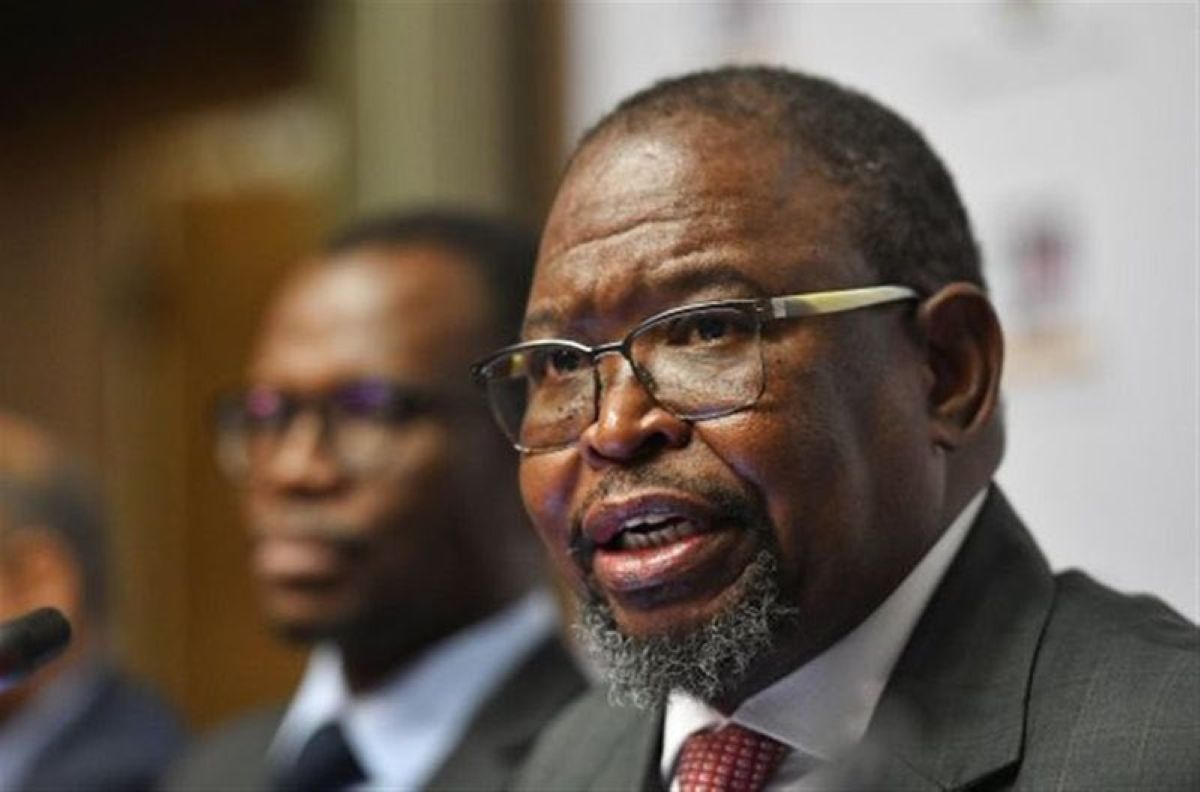
Addressing the 2026 Government Technical Advisory Centre (GTAC) Public Economics Conference, South Africa’s Minister of Finance Mr Enoch Godongwana delivered a stark reminder of this enduring struggle.
Speaking virtually to over 650 gathered policymakers, researchers, and students under the theme “Counting the Crisis: Data, Evidence and Solutions for Youth Unemployment in South Africa,” Godongwana called for an urgent pivot from passive hand-wringing to rigorous, evidence-led economic action.
The Grim Arithmetic of Exclusion
The macroeconomic indicators outlined by the Minister paint a bleak picture of the domestic labour market. South Africa’s official unemployment rate remains stubbornly entrenched above 30%. However, it is the demographic breakdown that exposes the true structural fractures within the economy:
- Aged 15 to 24: Roughly six out of every ten young participants in the labour force are unemployed.
- Aged 25 to 34: Approximately four out of every ten are out of work.
- The NEET Dilemma: A staggering portion of the youth demographic is classified as “NEET” — neither in employment, education, nor training.
From an economic standpoint, these are not just alarming metrics; they represent a massive underutilisation of human capital that severely handicaps South Africa’s long-term GDP potential.
Data as a Diagnostic Tool, Not a Final Verdict
A central thesis of the Minister’s address was a warning against “data fatalism”. In economic planning, compiling bleak statistics can frequently lead to policy paralysis or repetitive, descriptive analysis that fails to shift the needle.
“If we count the crisis only to repeat how serious it is, then we have not done enough,” the Minister Godongwana warned.
Instead, the Treasury is advocating for a highly analytical, evaluative approach to public economics. The state’s focus must shift toward auditing current interventions by asking granular fiscal questions:
- What programs work, and which ones fail?
- Who is being reached, and who is being structurally excluded?
- What is the exact fiscal cost, and can these models be scaled or redesigned?
The Institutional Architecture of Growth
The Minister re-anchored the conversation in foundational economic principles: South Africa cannot structurally defeat youth unemployment without accelerating inclusive economic growth. However, growth does not materialize in a vacuum. It requires a deliberate, sequential chain of execution:
$$\text{Growth} \longleftarrow \text{Reform} \longleftarrow \text{Implementation} \longleftarrow \text{Capable Institutions}$$
Building and maintaining these capable institutions, according to the Minister, relies entirely on credible public finances, robust data integrity, institutional accountability, and fiscal discipline. Without this baseline framework, any proposed youth employment scheme remains merely performative.
A Challenge to the Next Generation of Economists
In an era often dominated by political rhetoric, Minister Enoch Godongwana issued a refreshing, direct challenge to the postgraduate students and young professionals in attendance. Urging them to bypass easy answers and the comfortable “slogans” peddled by government, corporate boardrooms, universities, and NGOs alike, the Minister demanded intellectual friction and rigorous policy critique.
The call was for a new cohort of data scientists, public managers, and economists who can effectively synthesize quantitative economic models with the lived realities of citizens—or, as the Minister aptly put it, professionals “who can look at a spread sheet and still see a human being.”
The Bottom Line
The 2026 GTAC conference establishes a clear mandate for South African policymakers. The time for merely diagnosing the youth unemployment crisis has passed. If the country is to truly honour the sacrifices made fifty years ago in Soweto, it must deploy its public funds with surgical, evidence-based precision. Moving from critique to execution is no longer just a policy preference—it is a macroeconomic imperative.