
 By
By 
Creatives in the South African Film and TV industry recently took to the streets in protest outside parliament in Cape Town, demanding government to intervene on matters of funding as the sector is facing serious financial woes, with the industry shrinking by more than 50%, actors are at risk of losing jobs and the sector is also at risk of not being able to tell locally produced stories.
Build One South Africa (BOSA) also took to the streets adding their voice in support of the film and TV sector, calling on Minister Parks Tau to make urgent interventions and save the jobs of actors.
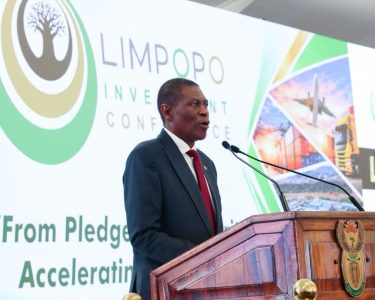
The cries of the actors have not fallen on deaf ears, the Minister for the Department of Trade, Industry and Competition (DTIC) Mr Parks Tau has resolved to address the challenges within the sector.
According to the department, Tau remains committed to investigating issues related to governance and malfeasance as they relate to the Film and Television Production Incentive.
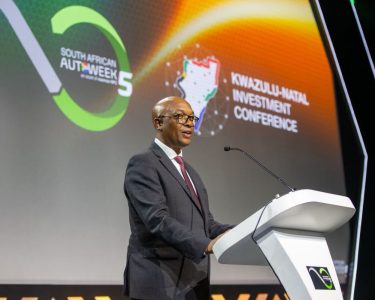
The Minister led a delegation of senior officials from the Department of Trade, Industry and Competition (the dtic), including Deputy Ministers Alexadra Abrahams and Zuko Godlimpi and Director General (DG) Simphiwe Hamilton, to give a briefing to Parliament, following recent protests by industry players.
Tau told members of the Portfolio Committee on Trade, Industry and Competition that the department is actively working towards solutions to the challenges faced by the industry.
Deputy Minister Godlimpi took the Portfolio Committee through the responses to the demands made by industry, and provided a way forward to resolve their demands. He stated that to resolve some of the challenges the department will:
- Raise and secure urgent interim funding to address the current claims and applications, while introducing measures to disburse any additional funding which may be received. In this regard we are trying to find ways to reprioritise our allocation and there are ongoing engagements with National Treasury to increase the allocation going forward.
- A national industry working group with key stakeholders (both private and public) to address the industry challenges.
- Consider other types of incentive structure for the film industry that will address sustainability, such as tax incentives for foreign productions.
- Collaborate with the Industrial Development Corporation and National Empowerment Fund for blended financing options for local productions.
- Implement an automated system to reduce processing time and improve effectiveness. Moving from a manual to online portal to reduce administrative burden.
- Provide additional human resource in order to cope with influx of applications and claims.
- Provinces such as Western Cape, be encouraged to offer incentives to reduce the burden on national fiscus.
Presenting on behalf of the department, the Director General said that the contingent liability of the programme stood at approximately R2 billion, as disclosed in the Annual Financial Statements (AFS) for the year ended March 2021, adding that following the suspension of adjudication meetings, the department has continued to process and pay valid claims with the objective of reducing the contingent liability.
“From September 2025 to date, the contingent liability has shown a consistent downward trend, from R679 million to R473 million, which is the amount owed to approved projects. This amount will be further reduced by the end of the current financial year, leading to further strengthening of the financial position of the incentive scheme,” the DG said.
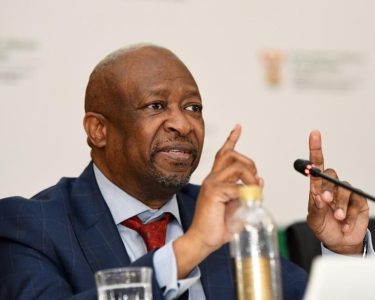
Minister Parks Tau added that the department remains focused on co-creating solutions and interventions with industry that will result in the growth of the sector and its increased contribution in the country’s economy through job creation.