 By
By JOHANNESBURG — The Gauteng Department of Infrastructure Development (DID) has announced that its strategic turnaround initiative has successfully rescued and completed eight previously distressed infrastructure projects within a six-month window.

From educational institutions to community facilities, the milestone points to a critical shift in public sector execution that directly impacts regional economic productivity, service delivery efficiency, and capital allocation in South Africa’s economic heartland.
Key Takeaways from the Turnaround Milestone:
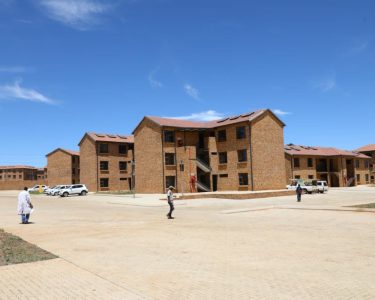
- The Final Milestone: The completion of Laerskool Generaal Nicolaas Smit in Hercules, City of Tshwane, marks the eighth project finalized under the current push.
- Diverse Portfolio Impact: Completed assets span vital social infrastructure, including Rustervaal Secondary School, Bantubonke Early Childhood Development Centre, Bekkersdal Social Integrated Facility, Nancefield Primary School, Dr W.K. du Plessis LSEN School, the Women’s Living Heritage Monument, and Simunye Secondary School.
- Systemic Overhaul: Launched in August 2025, the DID Turnaround Strategy was designed to tackle historical planning bottlenecks, contractor underperformance, and project delays.
Economic Implications of Infrastructure Execution
For an economy reliant on Gauteng as its primary industrial and commercial hub, public infrastructure bottlenecks have historically constrained regional growth and service delivery. Delayed social infrastructure—such as schools and community development facilities—not only locks up public capital but also suppresses localized economic activity, skills development, and employment opportunities linked to construction and maintenance value chains.
The economic significance of the DID’s latest institutional update lies in shifting public spending from a cycle of sunk costs on stalled projects to productive, yield-bearing assets. By addressing structural impediments, the Department aims to restore confidence in public procurement and capital expenditure management.
Inside the Turnaround Strategy
The turnaround framework, initiated under Gauteng MEC for Infrastructure Development Jacob Mamabolo, moves beyond quick fixes to reform the underlying architecture of project delivery. Key pillars of this strategy include:
- Enhanced Project Readiness: Rigorous upfront planning and feasibility screening to mitigate risks before ground is broken.
- Strict Contract Governance: Tighter oversight of contractors and professional service providers to enforce accountability and adherence to budgets and timelines.
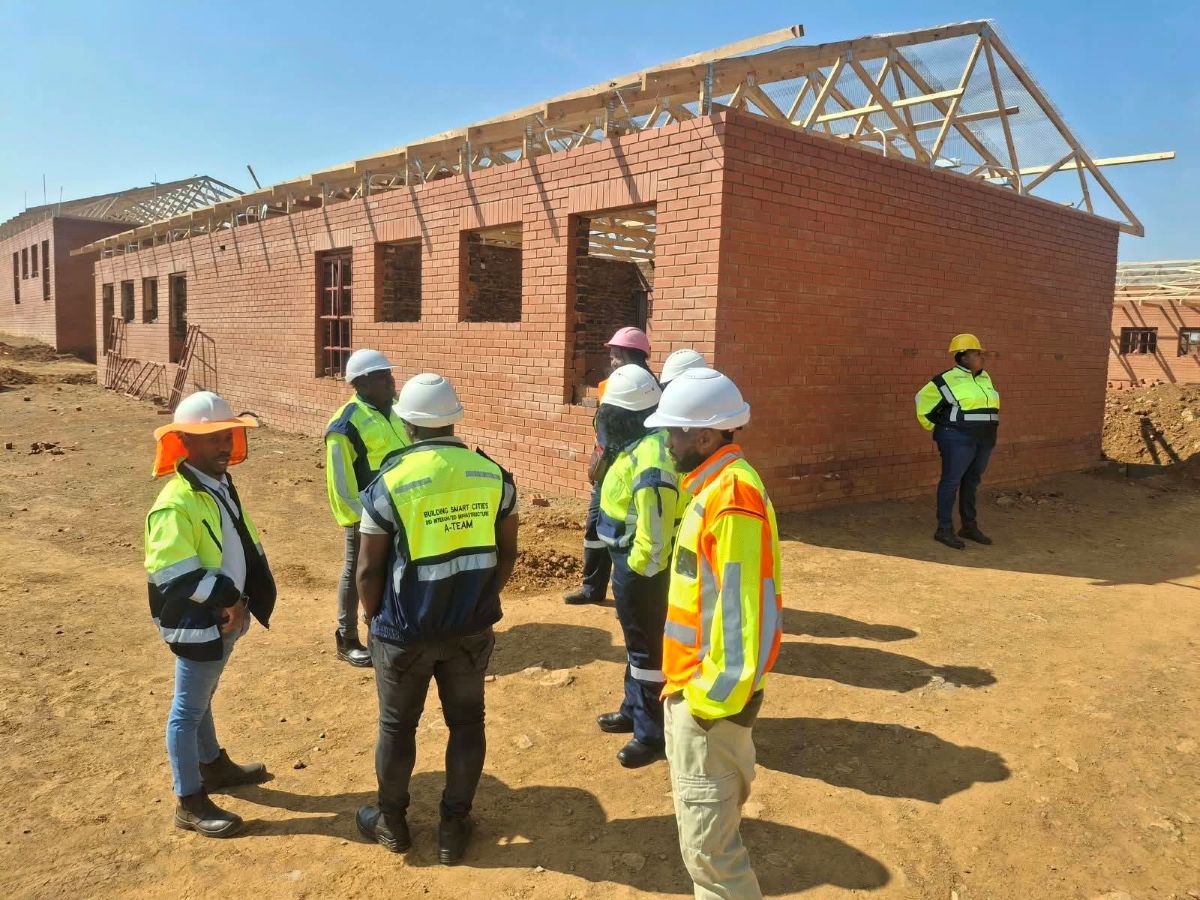
- Multidisciplinary Technical Oversight: Deployment of specialized technical teams, known as the “A-Team,” to provide hands-on monitoring and unblock stalled sites.
- Digital Monitoring & Consequence Management: Leveraging the Infrastructure Delivery Platform (iDEP) for real-time tracking, alongside stricter enforcement of consequence management for non-performing entities.
“Our objective has never been simply to rescue individual projects, but to change the system that allowed projects to become distressed in the first place,” stated MEC Mamabolo, emphasizing the broader structural reform.
Looking Ahead
With eight major public assets successfully reclaimed and returned to communities for their intended use, the Department faces the ongoing challenge of institutionalizing these gains across its wider portfolio. Sustaining this momentum will require continuous risk identification and transparent contractor management, ensuring that public sector infrastructure spending translates into measurable long-term value for Gauteng’s economy.