 By
By JOHANNESBURG — Provincial authorities in Gauteng have placed disaster management, emergency services, and transport infrastructure teams on high alert following a Yellow Level 2 warning issued by the South African Weather Service (SAWS) for severe thunderstorms across the region.

The adverse weather conditions, characterised by heavy downpours, excessive lightning, strong winds, and potential hail, have triggered a coordinated multi-departmental response aimed at safeguarding public safety, mitigating infrastructure damage, and maintaining continuity across provincial transport networks.
Multi-Agency Mobilisation and Preparedness
The Gauteng Provincial Disaster Management Centre (PDMC) announced that it is working in close cooperation with municipal disaster management centres to continuously monitor weather patterns and maintain operational readiness for the duration of the warning.
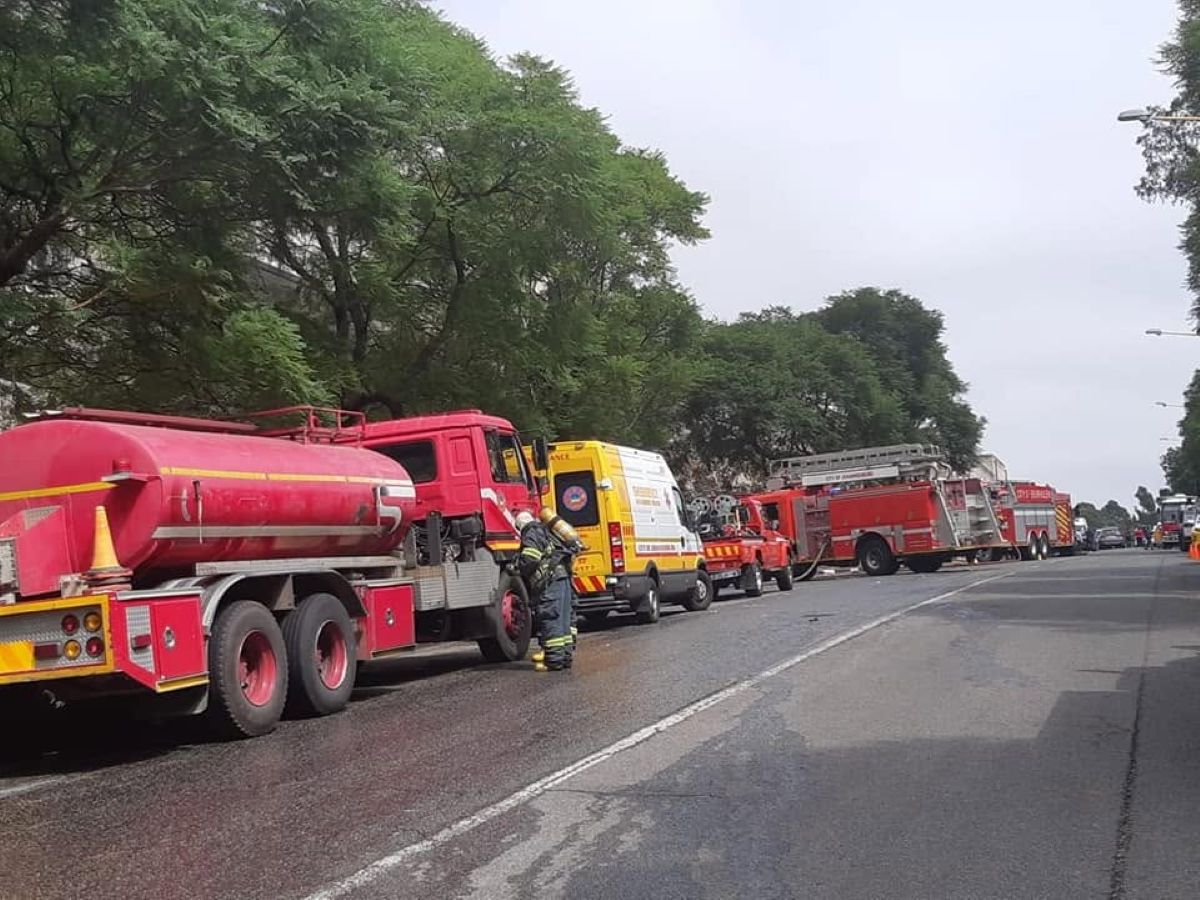
Emergency response apparatus—including fire and rescue services, emergency medical services, and specialized provincial departments—remain on standby. These teams are tasked with providing regular status reports to the PDMC, tracking real-time meteorological updates, and verifying the immediate availability of essential emergency resources.
Particular attention is being directed toward historically vulnerable areas, including flood-prone roads, low-lying informal settlements, low-level bridges, and storm-water drainage systems. According to provincial officials, the PDMC stands ready to convene the Provincial Joint Operations Centre (ProvJOC) should impacts escalate, multiple municipalities become severely affected, or the weather warning be upgraded by forecasters.
Transport Infrastructure Under Scrutiny
Simultaneously, the Gauteng Department of Roads and Transport has intensified its monitoring of the province’s extensive transport network. Persistent rainfall has significantly heightened the risk of localized flooding, waterlogging, and structural strain on sections of the provincial road grid. Furthermore, electrical disruptions associated with severe weather are impacting traffic signals and public street lighting.
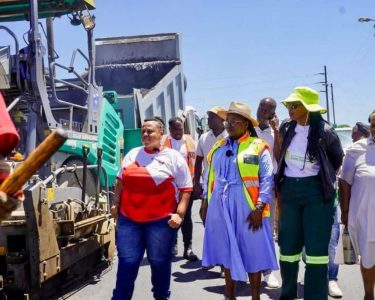
MEC for Roads and Transport, Kedibone Diale-Tlabela, has directed departmental entities and maintenance crews to execute rapid-response protocols to address reported infrastructure failures.
“The safety of the people of Gauteng remains our priority. We are closely monitoring the transport network and have activated our response mechanisms to deal with weather-related incidents. I have directed our teams to respond with urgency and to ensure that infrastructure faults are followed through until they are resolved,” MEC Diale-Tlabela stated.
Maintenance teams are currently deployed across provincial corridors to identify and remediate damaged road surfaces, clear blocked drainage systems, and address hazardous conditions.
Addressing Critical Infrastructure Faults
Among the prominent infrastructure issues receiving active intervention are dysfunctional traffic signals and street-lighting. Non-operational traffic lights have raised safety concerns at major intersections, prompting authorities to remind motorists to treat dark intersections as four-way stops and to exercise extreme caution.
Public concern regarding compromised illumination along key routes, notably the R24 highway, has been met with direct action from the Department. Appointed contractors have been dispatched to conduct comprehensive assessments and execute immediate repairs across affected road corridors.
“We are aware of the concerns regarding dysfunctional street lighting, including along the R24. Assessments and repairs are underway across the affected corridors. We expect our contractors to deliver on their obligations and will continue to monitor their performance to ensure that the necessary work is undertaken,” MEC Diale-Tlabela emphasized.
In addition to road infrastructure, the Department is maintaining active communication channels with Gautrain management to evaluate and manage any weather-related disruptions to rail services and associated commuter infrastructure, ensuring that passengers receive timely and accurate operational updates.
Public Safety Admonitions and Emergency Contacts
As the severe weather persists, both the PDMC and the Department of Roads and Transport have issued urgent safety directives to residents and motorists across Gauteng:
- Motorists: Reduce speed significantly, maintain safe following distances, and strictly avoid attempting to drive through flooded roadways, low-water bridges, or pooling water where depths and currents are unpredictable.
- Residents: Stay indoors during active thunderstorms, secure loose outdoor objects that could become hazardous projectiles in strong winds, and never seek shelter under trees due to the high risk of excessive lightning strikes.
- Public Transport Commuters: Monitor official communication channels—including those of the Gautrain and provincial transport portals—for service alerts, delays, or schedule modifications.
Provincial authorities reiterate that vigilance and adherence to official safety advisories remain the public’s best defence against weather-related hazards.
For life-threatening emergencies or to report critical infrastructure faults and weather incidents, members of the public are urged to contact emergency services immediately by dialling 112 from a mobile cellular phone or 10177 from a landline.
The PDMC will continue to review provincial readiness following each subsequent weather update issued by SAWS and upon the final conclusion of the warning period.